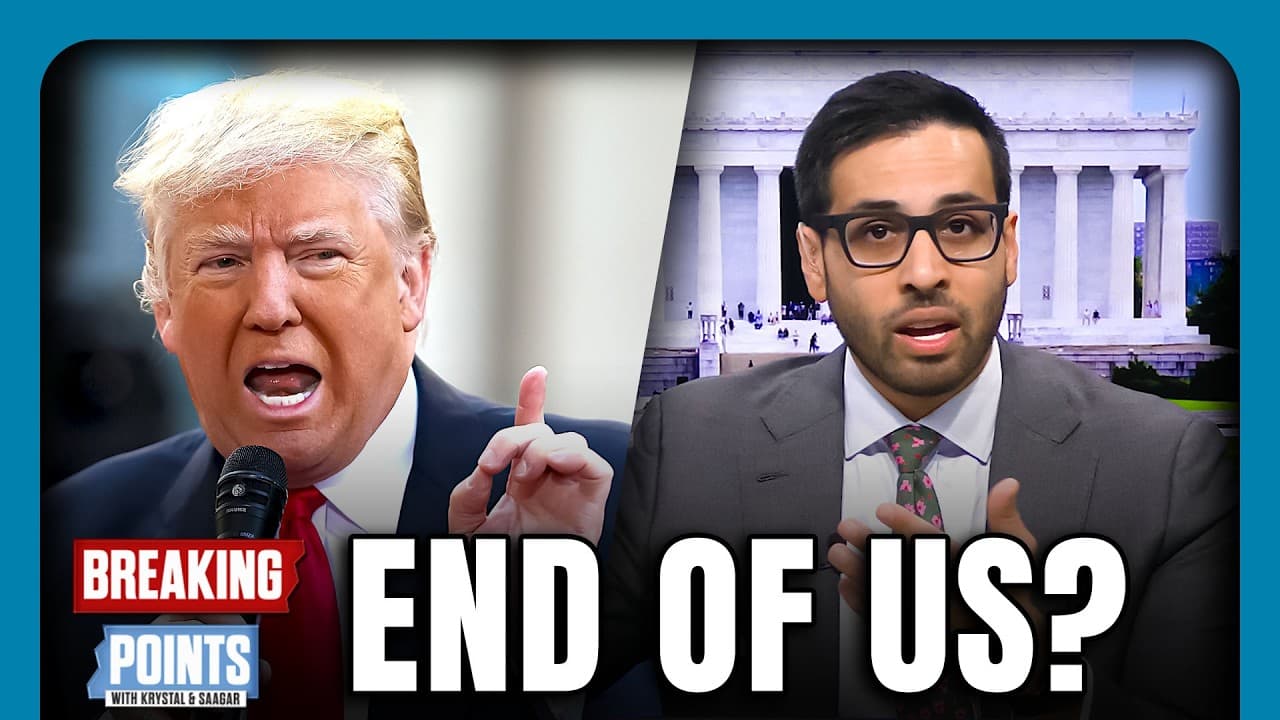
US Iran Nuclear Deal Negotiations 2025: What's the Catch?
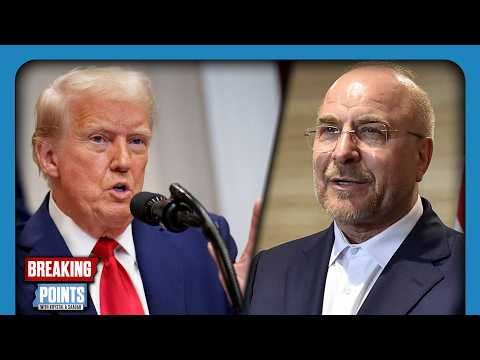
Key Takeaways
- •Iran reopened the Strait of Hormuz for commercial vessels tied to the Israel-Lebanon ceasefire — explicitly temporary, not a permanent concession.
- •The proposed US-Iran deal: $20 billion in unfrozen assets for Iran's enriched uranium stockpiles, plus international monitoring — terms that closely mirror the JCPOA Republicans condemned under Obama.
- •Iran's current IRGC-dominated leadership is more hardline than the figures previously removed by US and Israeli military action, making a durable agreement structurally harder than the optimism suggests.
The 'Cash for Uranium' Framework
The deal being floated is straightforward on paper. The US releases $20 billion in frozen Iranian assets. Iran hands over its enriched uranium stockpiles. International monitors get access to nuclear facilities, and Iran keeps research reactors running for medical isotopes. Both sides get something they can point to domestically as a win.
The problem is Iran has already disputed previous representations of what it agreed to in preliminary talks. As Breaking Points notes in Iran OPENS STRAIT After Trump BENDS To Demands, the negotiations are being conducted at a higher altitude and lower resolution than the JCPOA — less technical detail, more handshake diplomacy. With figures like JD Vance involved in the process, the concern isn't just whether a deal gets signed, it's whether anyone on the US side fully understands what they're signing. For more context on Vance's diplomatic footprint, the Erika Kirk no-show at a JD Vance event offers a small but telling window into how his public engagements tend to go.
The Strait Reopens — For Now
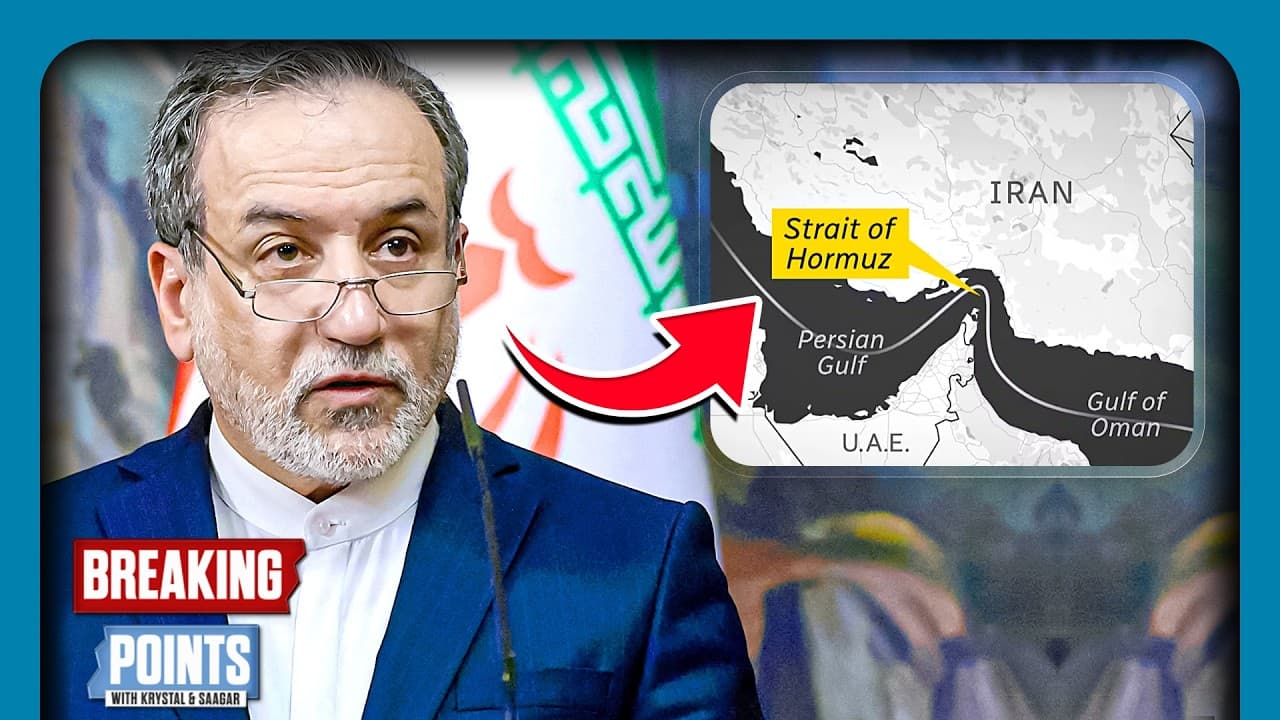
Iran's decision to reopen the Strait of Hormuz came directly after the Israel-Lebanon ceasefire took hold. It wasn't a unilateral goodwill gesture — it followed Hezbollah pressure and Iran's own prior refusal to open the strait, which had rattled energy markets. The reopening is explicitly tied to the ceasefire's duration — once that agreement collapses, "the strait's status becomes an open question again."
Markets reacted positively, which is the kind of response that makes everyone feel better about a situation that hasn't actually been resolved. The exact terms of the reopening — including whether commercial vessels face any tolls or conditions — remain unclear according to the video.
Why the Strait of Hormuz Is Always the Leverage Point
Roughly 20% of global oil trade passes through the Strait of Hormuz. Iran doesn't need to fire a missile to cause an energy crisis — it just needs to make insurers nervous enough to reroute tankers. Closing or threatening the strait is one of the few asymmetric tools Iran holds that genuinely frightens Western markets, which is exactly why reopening it is being treated as a significant diplomatic signal even when the underlying conflict hasn't moved.
The Leadership Problem in Tehran
Here's the structural issue that optimistic deal coverage tends to skip over. The Iranian officials who might have been more pragmatic negotiating partners are no longer in the picture — removed through a combination of US and Israeli military action over recent years. What's left, particularly within the IRGC, is a hardline faction that views any compromise as an existential threat to their own power, not just to Iran's nuclear program.
This is a pattern with a track record. Eliminating the moderates doesn't produce a more compliant adversary. It produces a more ideologically rigid one. The people now sitting across the table from US negotiators didn't get there by being flexible, and there's no domestic political incentive for them to start now.
Netanyahu's Position Makes 'Good Enough' Impossible
Israel under Netanyahu isn't looking for a deal that constrains Iran's nuclear program. According to Breaking Points, Netanyahu's position is closer to full dismantlement of Iran's government — or nothing. Any agreement short of that gets framed as a security threat, a political liability, or both.
Part of this is genuine strategic calculation. Part of it is Netanyahu's own political survival depending on the conflict continuing. The 'now or never' framing that's taken hold in Israeli political circles — the idea that this is the moment to permanently neutralize Iran — makes compromise not just unappealing but politically toxic for him domestically. A US-Iran deal that leaves Iran's government intact is, from Netanyahu's perspective, a deal that leaves the problem intact. That's a hard gap to bridge, and it's worth reading alongside the broader pattern of military and political justifications being dressed up in moral language to understand how these positions get sold to domestic audiences.
How This Compares to the JCPOA
The JCPOA involved years of technical negotiation, detailed verification mechanisms, and a multilateral framework involving the EU, Russia, and China. Republicans spent the Obama years calling it a capitulation — a giveaway that funded Iranian aggression without actually stopping the nuclear program.
The current 'cash for uranium' framework involves releasing $20 billion in frozen assets and getting enriched uranium in return. That's not structurally different from what Republicans were condemning. The monitoring provisions being discussed now are, if anything, less detailed than the JCPOA's. If Trump closes this deal, the Republican Party will need to explain why the same basic architecture was a betrayal under Obama and a masterstroke under Trump. That explanation will be attempted. It will not be convincing. For a broader look at how the Trump-era Iran negotiations have developed, this breakdown of the 2025 negotiations fills in the earlier context.
Iran Thinks Another Attack Is Coming Anyway
Perhaps the most destabilizing detail in the Breaking Points coverage: Iranian leadership reportedly believes the US is not genuinely pursuing peace and is planning another military strike regardless of how negotiations proceed. Iran is participating in talks not because it trusts the process, but to demonstrate good faith to the international community before the next escalation.
If that read is accurate — and Iran's behavior in past negotiations suggests it's not paranoid, just historically informed — then the current diplomatic activity is less a peace process and more a positioning exercise. Both sides talking while both sides preparing. That's not a negotiation. That's an intermission.
The Republicans-versus-JCPOA hypocrisy angle is real, but it's also the least interesting part of this story. The more uncomfortable question is whether the US negotiating team actually understands Iran's internal power structure well enough to know what they're agreeing to. The JCPOA took years and teams of specialists. What's being described now is a faster, looser framework with less verification detail — negotiated during a period when the Iranian officials most familiar with compromise have been systematically removed from the picture.
Iran participating in talks while believing an attack is already planned isn't a contradiction — it's a rational hedge. Show up, look reasonable, let the international record reflect that you tried. The $20 billion and the uranium swap might get signed. What it won't do is change the IRGC's institutional incentives, Netanyahu's political calculus, or the fact that both sides are still running military contingency plans in parallel with the diplomacy.
Frequently Asked Questions
What are the specific terms of the proposed US-Iran nuclear deal in 2025 and how does it differ from the JCPOA?
Why did Iran reopen the Strait of Hormuz and does it signal a lasting de-escalation?
What are the realistic chances the US-Iran nuclear deal negotiations in 2025 actually succeed?
How is the Trump Iran deal different from the Obama JCPOA that Republicans spent years opposing?
Why does Netanyahu oppose a US-Iran nuclear deal even if it limits Iran's nuclear program?
Based on viewer questions and search trends. These answers reflect our editorial analysis. We may be wrong.
Source: Based on a video by Breaking Points — Watch original video
This article was created by NoTime2Watch's editorial team using AI-assisted research. All content includes substantial original analysis and is reviewed for accuracy before publication.
Related Articles


You Might Also Like
Apr 7
World News | Iran Strait of Hormuz oil control: Global Economy Impact
Apr 7
World News | Strait of Hormuz Disruption: Economic Impact & Global Threat
Apr 3
World News | Strait of Hormuz shipping Iran control: A New Toll Booth?
Apr 2
World News | US Sanctions Effectiveness Decline: A Geopolitical Blowback