Iran Nuclear Deal Trump Negotiations 2025: A New Turn

Key Takeaways
- •The US has shifted from demanding a permanent ban on Iran's nuclear enrichment to proposing a 20-year suspension — Iran rejected it and offered only five years.
- •A potential Trump-era Iran deal is shaping up to look nearly identical to the Obama 2015 agreement Trump repeatedly attacked as weak.
- •Iran wants ~$6 billion in frozen oil funds unfrozen, the US blockade of the Strait of Hormuz has failed to hold, and Saudi Arabia is pushing Trump back to the negotiating table.
From Permanent Ban to 20-Year Pause
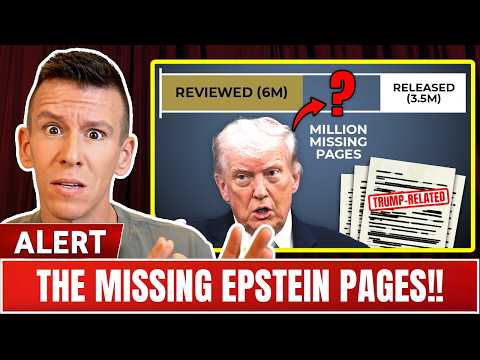
The original US position heading into these negotiations was straightforward: Iran stops enriching uranium, permanently, full stop. That line has moved. According to reporting covered by Philip DeFranco in his recent video The Claims From Trump's Inner Circle No One Saw Coming & The Iran Deal Trump Didn't Want You To See, the current US proposal on the table is a 20-year suspension of Iran's nuclear enrichment program — not a permanent dismantlement, not a ban, a suspension with an expiration date.
Iran's counteroffer? Five years. Which, as DeFranco points out, is almost exactly what Iran was proposing before any of the current military conflict began. The gap between 20 years and 5 years sounds large until you realize the US started this negotiation claiming it wanted forever — and has already moved most of the way toward Iran's position before a deal is even close.
The uncomfortable question this raises is whether the military pressure actually changed Iran's calculus at all, or whether the US is now paying a steep geopolitical and financial price to arrive at roughly the same place diplomacy might have reached without it. As we explored in Iran US Military Conflict Escalation: Bombing Backfires, the gap between stated military objectives and actual outcomes has been a recurring theme here.
The Obama Deal Trump Swore He'd Never Repeat
The Political Tightrope of Reversing Course
Here's where it gets genuinely awkward for the Trump administration. The 2015 Joint Comprehensive Plan of Action — the Obama-era Iran deal — was one of Trump's most reliable punching bags for years. He called it weak. He hated the sunset clauses. He hated that it allowed Iran to continue some level of enrichment. He pulled the US out of it in 2018.
The deal now being discussed reportedly includes temporary enrichment restrictions and a defined time horizon. That's not a different deal. That's the same architecture with different numbers on the calendar. For an administration that built significant political capital on the argument that Obama's Iran deal was a historic embarrassment, arriving at something structurally similar — after a military campaign — is a difficult thing to sell to your own base, let alone to Congress.
For more context on the political pressures shaping Trump's foreign policy decisions in this region, the reporting in Trump Israel Policy Pressure: Adelson Donation Allegations is worth reading alongside this.
The $6 Billion Problem
Iran's financial demand adds another layer the administration will struggle to explain cleanly. Iran is seeking the release of approximately $6 billion in frozen oil sales funds as part of any agreement. This is not a new demand — a version of this came up during the Biden administration and was used by Republican critics, including Trump himself, as evidence that the US was effectively paying Iran to behave.
Now those same critics are inside the administration, or at minimum inside the coalition that supports it, and the ask is the same. Whether the $6 billion gets reframed as a negotiating concession rather than a ransom payment will be one of the more interesting pieces of political messaging to watch. The math of the ongoing conflict — in terms of military costs, oil price disruption, and regional instability — may ultimately make $6 billion look like the cheaper option, but that argument requires admitting the conflict has been expensive, which the administration has not been eager to do.
The Blockade That Isn't Blocking Much
Hormuz, Saudi Arabia, and the Pressure to Deal
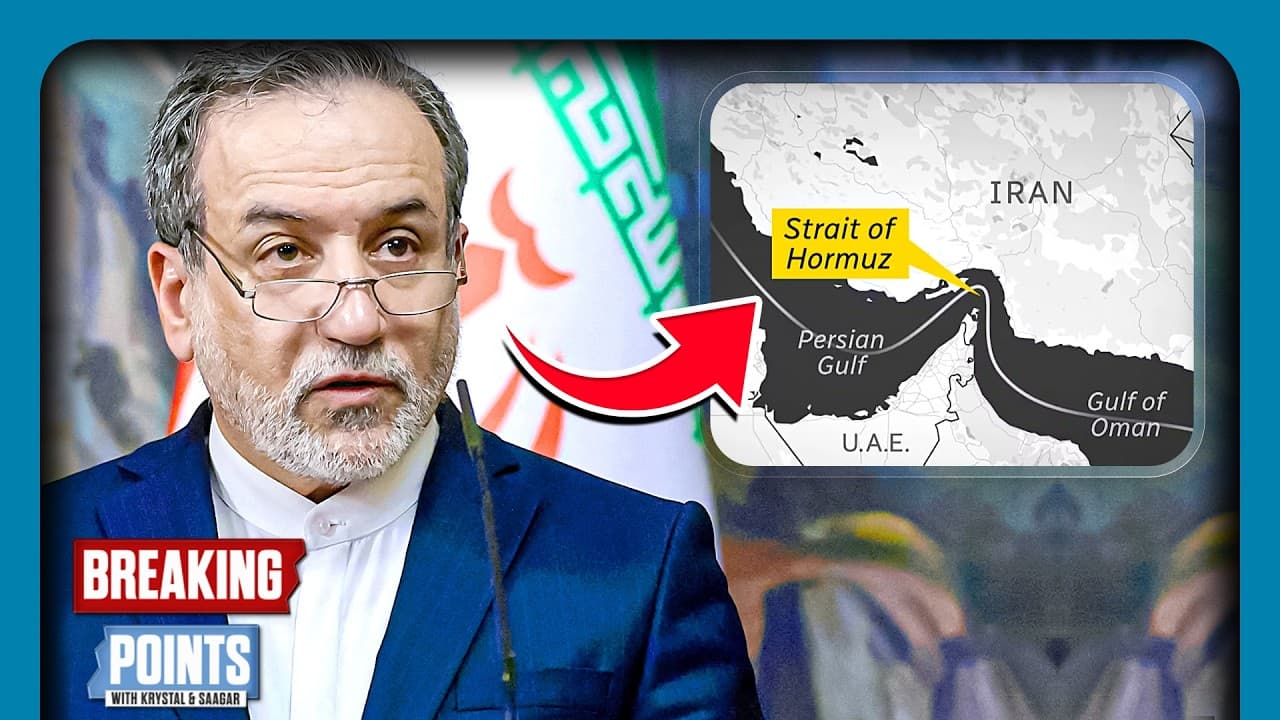
The US attempted to enforce a blockade of the Strait of Hormuz as part of its pressure campaign against Iran. Ships are still passing through. That's not a minor operational footnote — the Strait of Hormuz is the chokepoint for roughly a fifth of global oil supply, and a blockade that doesn't hold doesn't just fail militarily, it signals to every party in the region that US enforcement has limits.
Saudi Arabia, which has its own complicated relationship with both Iran and US foreign policy, is reportedly pushing Trump to return to negotiations. That's a significant data point. Saudi Arabia is not a neutral observer here — it has real economic exposure to regional instability and rising oil prices. When Riyadh is the one urging de-escalation, it suggests the current situation is creating costs that extend well beyond the direct parties to the conflict. The broader regional picture, including how these dynamics interact with ongoing tensions in Iran nuclear negotiations and US demands, remains genuinely unresolved.
The combination of a leaky blockade, Saudi pressure, and Iran still at the table despite not capitulating on enrichment suggests the leverage the US assumed it had coming into this is not translating into the concessions it expected to extract.
What a Deal Actually Means From Here
If a deal does get done, the framing will matter enormously. The Trump administration will need to present whatever agreement emerges as a historic win — tougher than Obama's, achieved through strength, worth the cost. The actual terms, based on what's currently being reported, may not support that narrative. A 20-year suspension, some enrichment allowed, frozen funds released — that's a deal that a lot of people will recognize as familiar, and not in the way the administration would prefer.
The deeper issue is that the gap between the public justification for the conflict and the likely outcome of negotiations has been widening for weeks. At some point, the terms of any deal will be public, and the comparison to 2015 will be unavoidable.
The most telling detail in all of this isn't the 20-year versus 5-year gap — it's that the US moved first and moved far. Iran's opening position in these talks and Iran's current position are basically the same. The US started at permanent ban and is now somewhere around 20 years. That's not negotiating from strength, that's negotiating toward the other side's original ask while calling it a concession you extracted.
The Saudi pressure angle deserves more attention than it's getting. Riyadh urging Trump back to the table isn't a diplomatic courtesy — Saudi Arabia has direct economic skin in Hormuz stability. When your regional ally is telling you the pressure campaign isn't working, that's a harder signal to dismiss than anything Iran says publicly.
Frequently Asked Questions
What are the specific terms of Trump's Iran nuclear deal negotiations in 2025 and how do they compare to the 2015 Obama agreement?
Why is Iran still rejecting Trump's Iran nuclear enrichment suspension deal if the US has already moved closer to their position?
How effective is the US blockade of the Strait of Hormuz against Iran?
Is the Trump administration's Iran deal just the Obama deal with different numbers?
What is the $6 billion Iran is demanding in nuclear deal negotiations and why is it politically complicated for Trump?
Based on viewer questions and search trends. These answers reflect our editorial analysis. We may be wrong.
Source: Based on a video by Philip DeFranco — Watch original video
This article was created by NoTime2Watch's editorial team using AI-assisted research. All content includes substantial original analysis and is reviewed for accuracy before publication.