Epstein Files Lawsuit DOJ Transparency: Did They Just Go Through Motions?
Key Takeaways
- •Journalist Katie Phang has filed a federal lawsuit against Acting AG Todd Blanch, alleging the DOJ violated the Epstein Files Transparency Act by withholding and improperly redacting documents — including materials tied to an accusation against Donald Trump.
- •The Government Accountability Office and the DOJ's Inspector General are both conducting independent investigations into DOJ compliance, creating simultaneous pressure from multiple directions.
- •The lawsuit seeks a court declaration of non-compliance, forced document release, and the appointment of a special master to oversee the process.
The Law That Was Supposed to End the Secrecy
The Epstein Files Transparency Act was meant to be the mechanism that finally dragged these documents into public view. The premise was simple: the government would release the files, the public would see them, and the long-running speculation about who knew what would have at least a partial answer. What allegedly happened instead, according to the lawsuit filed by journalist Katie Phang, is that the Department of Justice handed over a version of compliance — redacted, incomplete, and strategically hollowed out. That's not transparency. That's paperwork theater.
Katie Phang's Case Against Todd Blanch
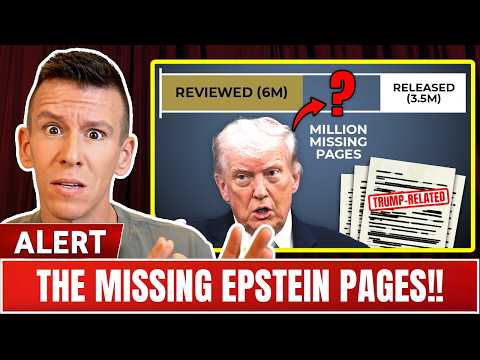
Phang's lawsuit names Acting Attorney General Todd Blanch as the defendant and makes two core allegations: that the DOJ withheld documents it was legally required to release, and that it applied improper redactions to others. Among the materials allegedly affected are documents connected to an accusation against Donald Trump — which, given the current political climate, makes the DOJ's handling of this about as politically loaded as it gets. The lawsuit asks a federal court to formally declare the DOJ non-compliant with the Transparency Act, order the full release of the withheld materials, and install a special master to independently verify that what gets released is actually everything. The special master request is the part that matters most — it's an acknowledgment that trusting the DOJ to audit itself on this one isn't a serious option. As we explored in our breakdown of the Trump-Iran ceasefire collapse, the current administration has a pattern of managing information flow in ways that create more questions than answers.
What Documents Are Being Withheld?
The specific contents of the withheld or redacted materials aren't fully known — which is precisely the problem. What the lawsuit does identify is that at least some of the suppressed documents relate to an accusation involving Donald Trump. Beyond that, the full scope of what's missing is, by definition, obscured by the redactions themselves. That's the circular trap at the center of every transparency fight: you can't always prove what's being hidden without first seeing what's hidden.
Two Investigations Running Simultaneously
The lawsuit doesn't exist in isolation. In his recent video The Epstein Docs That Could Change Everything, Philip DeFranco reports that both the Government Accountability Office and the DOJ's own Inspector General are conducting independent reviews of how the department handled the Epstein files release. That's a notable convergence. The GAO operates as Congress's investigative arm, while the Inspector General sits inside the DOJ but functions independently — meaning the department is being scrutinized from outside and from within at the same time.
Government Accountability Office Investigation
The GAO's involvement signals that this has moved beyond a media story into formal congressional oversight territory. The GAO doesn't launch reviews because something looks bad in the press — it does so because there's a substantive question about whether a federal agency followed the law. The fact that it's looking at Epstein file compliance suggests at least some members of Congress aren't satisfied with what the DOJ has produced so far.
DOJ Inspector General Review
The Inspector General review is the more uncomfortable one for the department, because it's an internal accountability mechanism being pointed at the department's own conduct. IG offices have real investigative power and can refer findings for prosecution. Whether this one produces anything actionable remains to be seen, but its existence alongside the GAO review and the federal lawsuit creates a level of institutional pressure that's hard to quietly wait out.
The Special Master Argument
The request for a special master is the most structurally interesting part of Phang's lawsuit. A special master is a court-appointed independent officer who can review documents, assess compliance, and report directly to the judge — bypassing the agency entirely. It's a mechanism courts use when they don't trust one party to self-report accurately. Asking for one here is essentially a legal argument that the DOJ cannot be relied upon to determine whether the DOJ has complied with the law. Given the allegations in the suit, that argument isn't hard to make. The broader pattern of government agencies treating transparency mandates as suggestions rather than requirements is something we've seen play out in other contexts too — including, as we covered, cases where institutional accountability mechanisms get quietly sidestepped.
Why the Timing Matters
This is, according to DeFranco's reporting, the most concentrated legal and investigative pressure on the DOJ regarding Epstein documents since the Transparency Act was passed. A federal lawsuit, a GAO review, and an IG investigation all running at the same time isn't a coincidence — it's the result of years of frustration with partial releases and opaque redactions finally reaching a critical mass. Whether that pressure produces actual disclosure or just more procedural delay is the question nobody can answer yet. The fact that documents connected to an accusation against the sitting president are allegedly among the withheld materials means the stakes for the administration in resisting full compliance are unusually high — which is exactly why the pressure for an independent special master makes sense.
The special master request is the tell. When a plaintiff asks a court to appoint an independent officer to verify compliance, they're not just making a legal argument — they're making a public one: that the agency in question has already demonstrated it can't be trusted to police itself. The DOJ releasing a redacted, incomplete version of the Epstein files and calling it compliance is the kind of move that only works if nobody pushes back hard enough. Phang's lawsuit is the pushback, and the simultaneous GAO and IG reviews mean the DOJ is now being watched from three directions at once.
What's missing from most coverage of this story is a clear accounting of what the redactions actually contain. The accusation against Trump is the headline detail, but the withheld documents almost certainly include material about other figures too. The fight over the special master will likely determine whether any of that surfaces — because without independent oversight, the DOJ gets to decide what counts as full compliance, which is how you end up back at square one.
Frequently Asked Questions
What is the Epstein files lawsuit against the DOJ and how does it work?
What Epstein documents are still being withheld or redacted by the DOJ?
Is the Epstein files lawsuit against the DOJ likely to force a real document release?
What is the Government Accountability Office's role in the Epstein files investigation?
What does a special master do in the Epstein DOJ transparency case?
Based on viewer questions and search trends. These answers reflect our editorial analysis. We may be wrong.
Source: Based on a video by Philip DeFranco — Watch original video
This article was created by NoTime2Watch's editorial team using AI-assisted research. All content includes substantial original analysis and is reviewed for accuracy before publication.