Erika Kirk No-Show JD Vance Event at UGA: What Happened?

Key Takeaways
- •Erika Kirk no-showed a University of Georgia event with JD Vance — TPUSA announced her absence on stage after promoting her attendance minutes earlier.
- •TPUSA's official security threat explanation contradicts a separate cancellation the day before, which cited 'scheduling complications' with no mention of threats.
- •Candace Owens argues the real cause was poor ticket sales, with a reporter's photos showing a largely empty arena despite free tickets being offered to students and the public.
The No-Show Nobody Saw Coming — Except Maybe Everyone Should Have
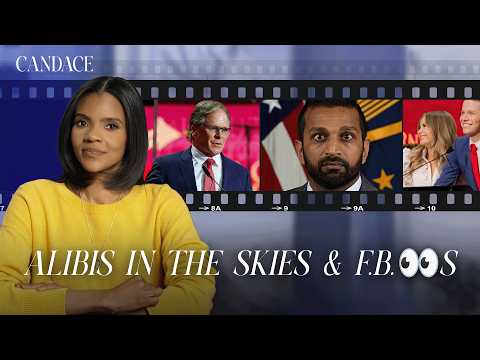
Erika Kirk was supposed to appear alongside JD Vance at the University of Georgia. She was on the promotional materials. She was being talked up right before the event started. Then Andrew Kovette walked on stage and told the crowd she wasn't coming. No warning, no pre-event statement, no quiet heads-up to organizers — just a live announcement to a room full of people who had shown up expecting her. According to Erika No-Shows JD Vance. Public Relations Lies About Why. | Candace Ep 325, the optics of that alone should have been enough to trigger some internal reflection at TPUSA. They weren't.
The Security Threat Story
Kovette's explanation on stage was that Kirk had faced severe threats — specifically related to her travel — and that her children's safety was a factor. The Daily Wire later ran with this framing, lending it some institutional weight. Owens immediately flagged the problem: Kirk had previously made public statements about being fearless following her husband Charlie Kirk's death, explicitly saying she didn't fear for her safety. Owens also raises the obvious logistical question — if the threat was travel-related, why couldn't the Secret Service, already present for JD Vance, do anything about it? Neither TPUSA nor Kirk's team has offered a clean answer to that.
What the Attendance Numbers Actually Showed
A reporter's tweet, cited by Owens, showed photos of the arena at the University of Georgia event. It was largely empty. According to Owens, TPUSA had been unable to fill the venue despite offering free tickets to both students and the general public — a detail that reframes the entire security threat narrative. If the room was already struggling before Kirk pulled out, her absence wasn't the crisis. Her presence wasn't going to fix it either. The security threat explanation starts to look less like a reason and more like a redirect.
The High School Cancellation That Blew the Cover Story
The day before the Vance event, Kirk canceled an appearance at a high school. Parents and students received a text message explaining the cancellation as 'scheduling complications.' No mention of threats. No mention of security concerns. Owens points out that this is a direct contradiction — if there was a credible threat environment serious enough to pull Kirk from an event with JD Vance, it almost certainly predated a high school appearance the day prior. You don't get to use two different explanations for two consecutive cancellations and expect nobody to notice. Owens frames TPUSA's communications strategy here as a form of blame-shifting — telling the public that critics created the threat environment, rather than acknowledging that the events simply weren't drawing crowds.
Parents Are Already Organizing
According to Owens, parents whose children attend schools where Kirk is scheduled to appear are actively organizing boycotts against her upcoming visits. This is a detail that doesn't fit the narrative of a beloved figure being unfairly targeted by online critics — it suggests the skepticism is coming from people with no particular political axe to grind, just parents who watched a speaker cancel on their kids and got a text about scheduling.
JD Vance Steps In and Makes It Worse
Vance publicly defended Kirk, suggesting that criticizing her was an attack on her grieving process and calling such criticism 'preposterous.' Owens takes direct issue with this framing. Her argument is straightforward: Kirk isn't just a widow. She is the CEO of a major conservative organization, a public-facing leadership role that comes with legitimate scrutiny regardless of her personal circumstances. Vance's 'grieving differently' defense, in Owens' view, conflates Kirk's personal loss with her professional conduct — and uses one to insulate the other from accountability. Telling critics to stay in their lane when the lane in question is organizational transparency is a strange hill for JD Vance to plant a flag on.
The Credentials Question
Owens raises the question of how Kirk came to hold the CEO position at TPUSA in the first place, suggesting it was a function of her relationship with Charlie Kirk rather than any demonstrated leadership track record. This is the part of the criticism that Vance's 'grieving' framing doesn't actually address — because it's not about grief, it's about whether the person running a major organization has earned the role. As we explored in the Victor Marx firearms allegations piece, TPUSA's internal credibility questions extend well beyond any single figure. The public's skepticism about Kirk's leadership, Owens argues, isn't cruelty — it's pattern recognition.
The most telling detail in this whole episode isn't the empty arena or the contradictory cancellation texts — it's that TPUSA apparently thought blaming critics for creating a threat environment was a viable PR move. That's not spin. That's a strategy that only works if you're confident your audience won't check the timeline. The high school cancellation text exists. The reporter's photos exist. Kovette's on-stage announcement exists. Stringing those three things together takes about forty-five seconds.
Vance's intervention is the part that should get more attention. Defending a political ally is normal. But framing organizational accountability as an attack on someone's grief — in public — sets a precedent where any criticism of Kirk can be deflected through her personal circumstances indefinitely. That's not a defense. That's a ceiling on scrutiny, and Vance built it himself.
Frequently Asked Questions
Why did Erika Kirk really cancel her appearance at the Erika Kirk no-show JD Vance event at the University of Georgia?
What was TPUSA's security threat explanation for Erika Kirk canceling, and does it hold up?
Why did JD Vance defend Erika Kirk, and was he right to do it?
How bad was the attendance at the University of Georgia TPUSA event with JD Vance?
Is Erika Kirk facing backlash beyond just online critics?
Based on viewer questions and search trends. These answers reflect our editorial analysis. We may be wrong.
Source: Based on a video by Candace Owens — Watch original video
This article was created by NoTime2Watch's editorial team using AI-assisted research. All content includes substantial original analysis and is reviewed for accuracy before publication.
Related Articles
You Might Also Like
Mar 28
World News | Candace Owens Exposes Lies in Erica Kirk's Story
Mar 28
World News | Druski's Erika Kirk Skit: Candace Owens' HILARIOUS Take

Mar 28
World News | Turning Point USA Breakdown: Candace Owens vs. Blake's Rant
Mar 28
World News | Candace Owens: Charlie Kirk Assassination Timeline Conflicting