Candace Owens Trump attack Time magazine: Her Shocking Response
Key Takeaways
- •Trump's 'Time's most vile person' post about Owens included an unflattering photo she had previously shared herself — taken during a severe health crisis caused by toxic mold exposure in 2016.
- •Owens attributes the attack directly to Laura Loomer, alleging Loomer demanded the post after being excluded from a White House dinner and may be leveraging compromising information over Trump.
- •A private sarcastic text message from Owens was shared out of context by Andrew Kovette to falsely suggest she accused Erica Kirk of murder — Owens says it was a joke mocking media figures, not a genuine accusation.
Trump's Post and the 'Time's Most Vile Person' Label
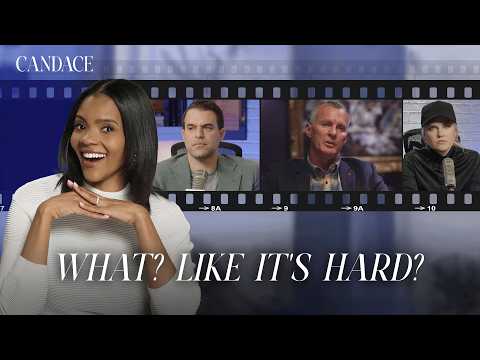
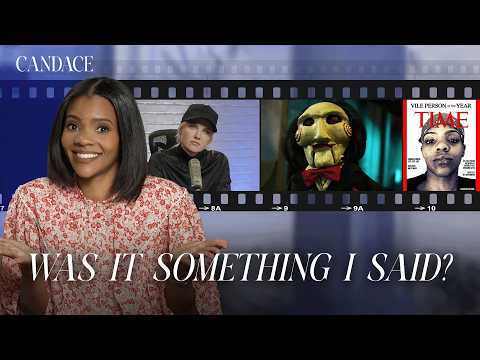
Candace Owens returned from Italy to find Donald Trump had posted a social media attack targeting her directly. The post called her 'Time's most vile person of the year,' criticized her stock commentary, referenced her comments about the French First Lady, and described her as a 'low IQ individual' — accompanied by an unflattering photo. According to Owens, the photo Trump used was one she had shared publicly herself, which makes the choice of image either lazy research or a deliberate twist of the knife. She expressed genuine bewilderment at the attack, questioning what the real motivation behind it was and noting the irony of an administration that criticizes hostile rhetoric deploying it so freely against a former ally. Owens unpacks all of this in detail in TIME MAGAZINE: World's Most VILE Person?! | Candace Ep 330, her podcast on the Candace Owens channel.
The Photo and What It Actually Shows
The image Trump used wasn't random. Owens explains it came from 2016, during one of the worst periods of her life. She had been living in an apartment with severe toxic mold exposure, which caused extreme eczema, significant hair loss, and cognitive impairment. She had shared the photo herself as part of documenting that health crisis — a period she says fundamentally changed her, shifting her focus away from appearance and toward health and mental clarity, and eventually pushing her toward political commentary. Using that specific image as a weapon is the kind of move that tells you more about the person deploying it than the person it's aimed at.
Laura Loomer's Role in All of This
Owens doesn't think Trump wrote that post out of personal grievance. She points the finger squarely at Laura Loomer, describing her as being in a 'manic' state after not being invited to a White House dinner. According to Owens, Loomer demanded Trump post the attack and had been making racist remarks about Owens in the lead-up to it. The 'rich white men' line in Trump's post — implying Owens uses wealthy white men for financial gain — Owens reads as racially charged, and she ties it directly to Loomer's alleged fixation on her race. Owens goes further, suggesting Loomer may hold compromising information over Trump, which would explain why he complies with her demands rather than distancing himself from someone whose behavior she describes as erratic. Whether or not the blackmail allegation holds water, the pattern Owens is describing — a political advisor with outsized influence over a president's public statements — is the kind of dynamic that, if accurate, raises questions well beyond this particular feud.
Our Analysis: The most telling detail in this whole episode isn't the Trump post — it's the photo. Owens had shared that image herself, from a genuinely difficult period in her life. Someone in Trump's orbit went looking for the worst possible image of her and found one she had made public in an act of vulnerability. That's not opposition research. That's targeted cruelty, and it suggests whoever assembled that post knew exactly what they were doing.
The Loomer-as-puppet-master theory is harder to evaluate. Owens presents it with confidence, but the blackmail allegation is unverified and she doesn't offer evidence beyond behavioral inference. What's observable is simpler: Trump attacked a former ally using racially inflected language, and Owens is tracing that language back to someone with a documented history of inflammatory statements. Whether Loomer demanded it or Trump chose it, the post exists — and the 'rich white men' framing didn't write itself.
What this episode also surfaces, perhaps unintentionally, is a broader question about how influence actually flows in political media ecosystems. Owens built her profile in part through proximity to Trump-world — and now finds herself on the receiving end of its attack machinery. That reversal is instructive. The same informal networks that amplify allies can be weaponized against them the moment the relationship sours, and there's rarely a formal process or institutional check on how that power gets used. The speed and personalization of this particular attack — a photo sourced from her own documentation of illness, language that maps onto her race — suggests it wasn't improvised. Someone did the work. That's worth sitting with regardless of where your sympathies lie in this feud.
Frequently Asked Questions
Why did Donald Trump publicly attack Candace Owens and call her 'Time's most vile person'?
What is Laura Loomer's alleged role in the Trump vs. Candace Owens feud?
What was the photo Trump used of Candace Owens, and why does it matter?
Did Candace Owens actually accuse Erica Kirk of murder?
Is the Trump and Candace Owens feud part of a larger pattern of Trump attacking former allies?
Based on viewer questions and search trends. These answers reflect our editorial analysis. We may be wrong.
Source: Based on a video by Candace Owens — Watch original video
This article was created by NoTime2Watch's editorial team using AI-assisted research. All content includes substantial original analysis and is reviewed for accuracy before publication.