Iran Strait of Hormuz oil control: Global Economy Impact
Key Takeaways
- •Iran is selectively granting Strait of Hormuz passage to vessels from Iraq, France, Oman, and China — using access as a geopolitical bargaining chip
- •US national average gas prices have exceeded $4 per gallon, with diesel near all-time highs, pushing up costs for trucking, food, and consumer goods
- •Key US allies including France and Japan are now negotiating directly with Iran for shipping access — bypassing the American security umbrella entirely
How Iran Turned a Waterway Into a Weapon
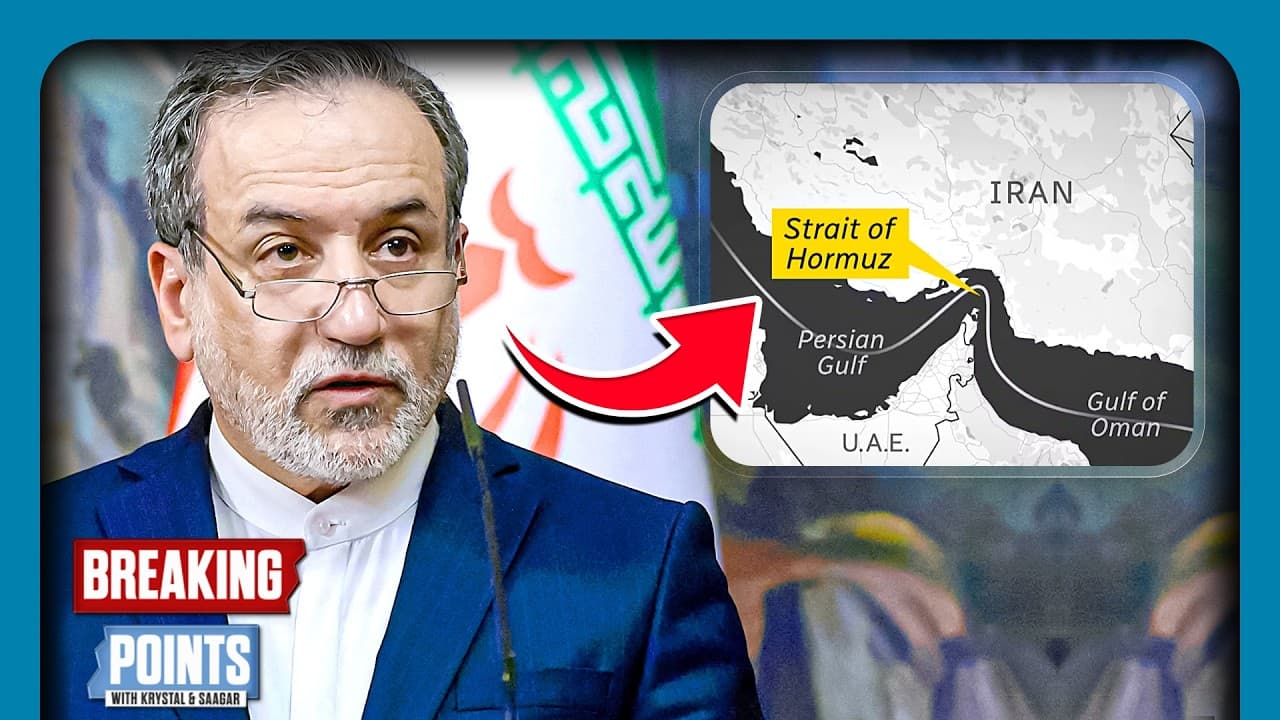
The Strait of Hormuz is one of those geographic chokepoints that sounds abstract until it isn't. Roughly 20% of the world's oil passes through it. Iran has figured out that you don't need to close it entirely to cause maximum disruption — you just need to make passage conditional. Iraqi vessels are getting through. So are French, Omani, and Chinese ships. Everyone else is largely waiting. That's not a blockade. That's leverage, applied with surgical precision. As we explored in our piece on Iran's emerging toll booth over Strait of Hormuz shipping, this kind of selective access is arguably more destabilising than an outright closure, because it forces every nation to calculate what concession is worth making.
The Logic Behind the Guest List
The pattern of who gets through is not random. France opposed a UN resolution calling for military intervention against Iran — and French ships are moving. Oman has long served as a back-channel mediator between Tehran and the West — Omani ships are moving. China is Iran's largest oil customer and a strategic partner — Chinese ships are moving. Iran is essentially rewarding political alignment in real time, using oil access as currency. It's a masterclass in coercive diplomacy, and it's working. Related: Houthis Red Sea attacks Israel: Yemen Enters Conflict
The Crack in America's Post-War Promise
Since World War II, the foundational deal underpinning US global influence has been simple: America keeps the sea lanes open, and the world trades freely. That arrangement has underwritten decades of dollar dominance, alliance structures, and military basing rights. Iran is now stress-testing whether that promise still holds. In a recent video, Breaking Points breaks down Iran Shows TOTAL CONTROL Of Strait Of Hormuz Oil Flow as a direct challenge to US empire — not through military confrontation, but through the slow erosion of credibility.
Allies Are Already Calling Tehran Directly
Japan imports a substantial portion of its oil through the Strait. France has major energy interests tied to Middle Eastern supply chains. Both are now in direct contact with Iranian officials about passage rights — not Washington. That's the tell. When your allies stop asking you to solve the problem and start solving it themselves, the alliance has already shifted. The US hasn't been militarily defeated here. It's been made irrelevant to a negotiation that used to be unthinkable without American involvement. That's a quieter kind of loss, but it compounds. Related: Strait of Hormuz Disruption: Economic Impact & Global Threat
What This Costs Everyone, Every Day
The economic consequences aren't theoretical. US national average gasoline prices have cleared $4 per gallon, with California approaching $6. Diesel — the fuel that moves freight — is near its all-time high. Trucking companies are already passing those costs on. Which means grocery stores are passing them on. Which means consumers are absorbing price increases on goods they never connected to a waterway in the Persian Gulf. The broader disruption in the Strait is also being flagged as a driver of a permanent energy price premium — not a spike that corrects, but a new floor. For more on how Strait disruptions translate into economic damage, our breakdown of the economic impact of a Strait of Hormuz disruption covers the mechanics in detail.
A New Price Floor, Not a Temporary Spike
The distinction matters more than it might seem. Markets can absorb a spike — traders hedge, reserves get released, demand softens temporarily. A new floor is a different problem entirely. It reprices everything downstream: manufacturing costs, shipping contracts, agricultural inputs, consumer goods. If analysts are right that this disruption is structural rather than episodic, the inflation hit isn't a crisis to weather. It's a new baseline to live with. That's the scenario central banks and finance ministries are quietly stress-testing right now, and it's one that has no clean policy solution.
Our Analysis: The selective passage list is the detail that keeps nagging at me. Iran isn't just flexing — it's building a new diplomatic architecture in real time. Every ship it waves through is a signal about which relationships it values and which it doesn't. France gets through after opposing military intervention. That's not coincidence; that's Iran demonstrating it can reward political behaviour faster than any UN process can punish it. The US has sanctions. Iran has the strait. Right now, the strait is winning the argument.
What the video doesn't push hard enough on is the European energy angle. If Asian nations are the most immediately exposed, European nations are the most politically conflicted. Several are already under pressure over Russian energy policy. A prolonged Hormuz disruption forces a choice between solidarity with US foreign policy positions and keeping the lights on domestically. That's not a hypothetical tension — it's the exact calculation that fractured Western unity on Russia, and it could fracture it again here.
There's also a dollar dimension that isn't getting enough attention. The petrodollar system — where oil is priced and settled in US dollars — depends on the assumption that America controls the conditions under which oil moves. If nations start negotiating bilateral passage deals directly with Tehran, and those deals are settled outside dollar-denominated frameworks, the currency implications could outlast the shipping disruption itself. Iran may not be thinking that far ahead, but the structural effect would be the same regardless of intent. That's the slow-burn risk sitting underneath the more visible price-at-the-pump story.
Frequently Asked Questions
How is Iran controlling oil flow through the Strait of Hormuz without fully closing it?
What are the real economic consequences of the Strait of Hormuz disruption for everyday Americans?
Why are France and Japan negotiating directly with Iran instead of going through the US?
Is Iran's control over the Strait of Hormuz a threat to US geopolitical influence long-term?
Which countries are being allowed through the Strait of Hormuz and why?
Based on viewer questions and search trends. These answers reflect our editorial analysis. We may be wrong.
Source: Based on a video by Breaking Points — Watch original video
This article was created by NoTime2Watch's editorial team using AI-assisted research. All content includes substantial original analysis and is reviewed for accuracy before publication.