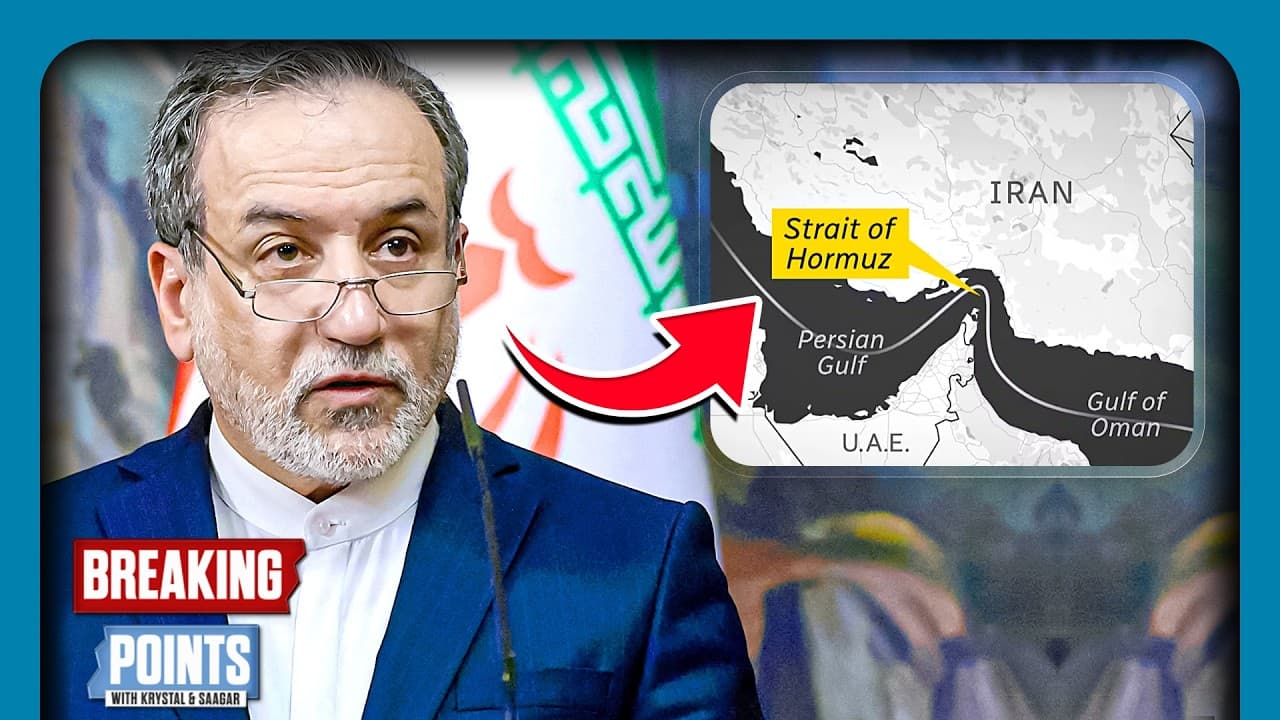
US Iran strategic dead end Middle East: Trump's Failed War
Key Takeaways
- •The U.S. has effectively abandoned its original goals of regime change or a comprehensive Iran deal, shifting focus to a rapid end to hostilities with no clear settlement framework.
- •Iran's potential to impose a 'toll system' on Strait of Hormuz shipping gives it durable leverage even as its civilian infrastructure sustains heavy damage from ongoing strikes.
- •Analysts assess the coming weeks as high-risk, with the U.S.'s narrowing options making a sharp escalation of military force more, not less, likely.
From Regime Change to Getting Out Fast
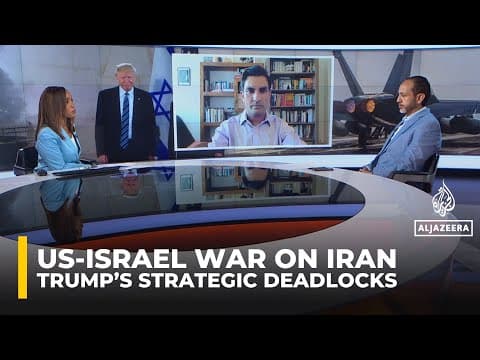
Whatever Washington told itself this conflict was supposed to accomplish, those goals are no longer on the table. Analysts speaking to Al Jazeera English in their video "Trump's war on Iran hits strategic dead end as Israel eyes 'Greater Israel': Analysis" are blunt about it: the Trump administration has quietly shelved both regime change in Iran and any hope of a comprehensive negotiated agreement. What's left is something much smaller and considerably less triumphant, which is ending the conflict quickly and hoping the framing holds. Trump's own statements have shifted toward "conclusion rather than victory," which is either disciplined messaging or the sound of a strategy running out of runway.
The Diplomatic Vacuum Washington Left Behind
While the U.S. narrows its options, other countries are filling the space. China and Pakistan have both moved into diplomatic roles in the region, a development that would have seemed unlikely at the conflict's outset. The U.S. entered this confrontation expecting to set the terms of any resolution. Instead, it's watching third parties draft the agenda. As we explored in this analysis of the end of Pax Americana, American influence over regional conflicts has been eroding in ways that aren't reversible simply by applying more military pressure.
The Strait of Hormuz Card Iran Won't Put Down
Iran has absorbed serious punishment. Hospitals, residential buildings, civilian infrastructure, the damage to Iranian territory has been extensive and is not being minimized by analysts. But damage and defeat are not the same thing, and Iran still holds one card that matters enormously to global markets: the Strait of Hormuz. The possibility that Iran could effectively convert that chokepoint into a toll system for international shipping gives Tehran leverage that survives whatever happens on the battlefield. It's the kind of asymmetric pressure that doesn't require military superiority to work.
Why Iran Doesn't Trust a Deal
Even if the U.S. wanted a negotiated settlement tomorrow, there's a foundational problem. Iran has watched Washington withdraw from agreements before, most notably the 2015 nuclear deal, and has seen diplomatic overtures run concurrently with military operations. According to Al Jazeera English's analysis, Iranian officials have signaled minimal interest in direct contact for negotiations, and the trust deficit is structural, not rhetorical. That mistrust, paradoxically, may work in Iran's strategic favor. A prolonged conflict without resolution keeps options open and prevents the U.S. from claiming a clean exit. This connects to the broader question of Iran's internal power dynamics, where hardline resistance to American negotiating terms carries domestic political weight.
Talking About Decisive Force When You're Running Low on Options
When governments start using the phrase 'decisive force,' it's worth paying attention to what's sitting underneath that language. U.S. statements about deploying overwhelming military action have intensified as the list of viable strategic options has shortened. Analysts assessing the conflict describe the next several weeks as carrying an unusually high probability of escalation, not because escalation is the plan, but because it tends to become the default when everything else has stalled. The infrastructure around presidential decision-making in high-stakes conflicts matters here too, since the architecture of who's advising and how fast decisions move shapes whether cooler heads have any real access.
A Region That Won't Hold Still for an American Exit
Even if the U.S. finds a way to disengage from direct conflict with Iran, the region doesn't pause. The broader Middle East geopolitical picture is moving independently of American timetables, with other actors pursuing their own long-term objectives on their own schedules. Washington entered this conflict assuming it could control the tempo and the endgame. The current situation suggests neither assumption has held up. That's not a minor miscalculation. That's the kind of strategic miscalculation that shapes a region for a generation.
Our Analysis: Al Jazeera gets the strategic deadlock right. Washington entered this conflict without a realistic exit and is now absorbing the costs of that miscalculation in real time. The options left are all bad ones.
What the piece underweights is the decoupling risk. If the U.S. pulls back, Israel does not pause. It accelerates. The 'Greater Israel' framing is not rhetorical. It is operational. Southern Lebanon and the West Bank are already being treated as continguous theaters, not separate files.
Watch the next three weeks. The window for any diplomatic face-saving is closing faster than any official timeline admits.
Frequently Asked Questions
Who started the war with Iran in 2026?
How many Americans have died in the Iran conflict so far?
Why has the US Iran strategy hit a strategic dead end in the Middle East?
Can Iran actually block or toll the Strait of Hormuz, and would it work?
Why won't Iran negotiate directly with the US right now?
Based on viewer questions and search trends. These answers reflect our editorial analysis. We may be wrong.
Source: Based on a video by Al Jazeera English — Watch original video
This article was created by NoTime2Watch's editorial team using AI-assisted research. All content includes substantial original analysis and is reviewed for accuracy before publication.
Related Articles


You Might Also Like
Mar 31
World News | Israel Iran Conflict: Territorial Expansion or Stability?
Apr 17
World News | US Retreat: The global power vacuum geopolitical risks you need to know

Apr 10
World News | Dubai Economy Vulnerability: Geopolitical Attacks & Stability
Apr 7
World News | Iran Strait of Hormuz oil control: Global Economy Impact