Andrei Jikh on the End of Pax Americana Geopolitical Shift
Key Takeaways
- •Andrei Jikh argues in 'The End Of Pax Americana' that the era of unchallenged U.S.
- •global dominance is fracturing under the combined weight of domestic economic stress and a coordinated geopolitical challenge from China, Russia, and Iran.
- •The three countries are actively constructing an alternative financial system built around oil, gold, and the Chinese yuan, deliberately routing transactions outside the U.S.
What Pax Americana Actually Meant
For roughly seven decades, the United States ran what Andrei Jikh calls the world's "financial architecture" — not through occupation, but through control of oil markets, shipping lanes, and cross-border trade rules. In The End Of Pax Americana, Jikh makes the case that 2026 could mark the point where enough countries decide the alternative is worth trying. This arrangement, broadly called Pax Americana, was less a peace treaty and more a protection racket that most of the world found preferable to the alternative.
Six Players, One Board
Jikh frames the current geopolitical situation as a chess match with six distinct players, each with their own objectives. The United States wants to preserve the petrodollar and its military primacy. China wants cheap energy and dollar displacement, but without a hot war. Russia wants to sell its resources in currencies that aren't subject to Western sanctions. Iran wants survival and leverage. The Gulf Cooperation Council countries are hedging, keeping one foot in the dollar system while quietly exploring what comes next. And ordinary people globally are absorbing the costs of all of it through energy prices and inflation. What makes this framing useful is that it stops treating the current disorder as random volatility and starts reading it as coordinated strategy.
The Oil-Gold-Yuan Loop
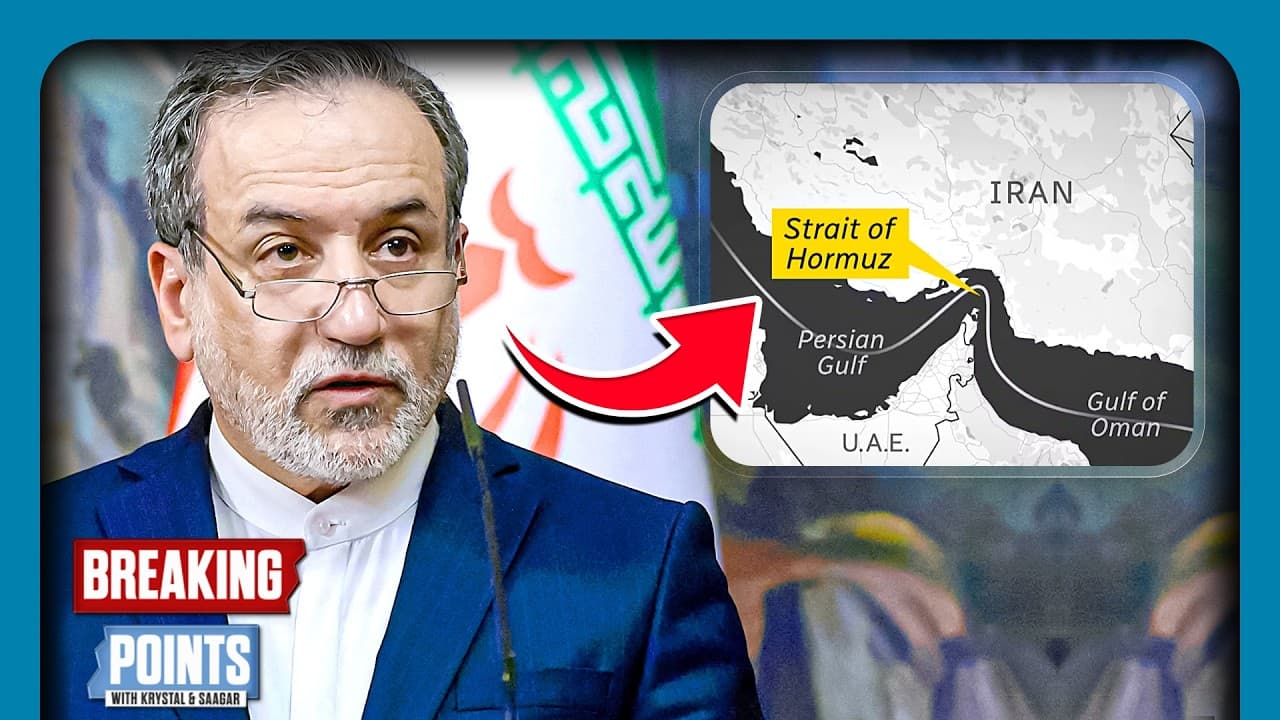
The most concrete mechanism Jikh describes is what he calls the alternative financial system being assembled by Iran, Russia, and China. Iran supplies oil and accepts payment in yuan. Russia provides an alternative energy source to Asian nations willing to pay in yuan or rubles, giving buyers a way around U.S.-aligned payment systems. China closes the loop by offering yuan that is effectively backed by gold, positioning itself as the exchange rate anchor for the entire arrangement. Evidence cited includes a notable increase in Swiss gold exports flowing toward Saudi Arabia and the GCC, alongside substantial U.S. gold exports, both of which suggest trade settlement patterns are quietly shifting away from the dollar. The Strait of Hormuz sits at the center of this, and as we've covered in The End Of Pax Americana, Iran's leverage over that chokepoint is a structural feature of this entire arrangement, not an incidental detail.
Our Analysis: Jikh frames a genuinely serious macroeconomic picture but wraps it in investment product promotion, which undercuts the urgency. You can't credibly warn about systemic financial collapse and then pivot to WeBull cash bonuses.
The core tension he identifies is real. The petrodollar arrangement has cracks, and rising long-term yields are doing actual damage to government borrowing costs right now. But the gold-yuan oil system remains more threat than reality. Russia and Iran are sanctioned economies. China has its own debt problems. An alternative to dollar dominance takes decades, not headlines.
What the video underweights is the institutional stickiness of dollar dominance. Reserve currency status isn't just about who offers the best deal on oil settlement — it's about depth of capital markets, legal predictability, and the absence of a credible alternative. The euro tried and stalled. The yuan is not freely convertible. Gold-backed systems carry their own liquidity constraints that become painfully obvious during crises, which is exactly when a reserve currency needs to perform. The countries most eager to escape the dollar are also the ones least capable of building a replacement.
That said, the directional argument holds even if the timeline doesn't. Every percentage point that long-term U.S. yields climb makes dollar-denominated debt more expensive to service globally, which gives more countries more reasons to explore alternatives. The mechanism doesn't need to be fast to be consequential. Slow erosion of dollar centrality — through bilateral trade deals, commodity pricing experiments, and parallel payment infrastructure — is already happening. Jikh is right to flag it. He's just selling urgency when the actual story is a slow grind.
Watch the bond market. That is where this story resolves first.
Frequently Asked Questions
What is the end of Pax Americana and what geopolitical shift is driving it?
How exactly are China, Russia, and Iran working together to replace the U.S. dollar in global trade?
Is the petrodollar system actually under serious threat, or is this overstated?
Why does Iran's control of the Strait of Hormuz matter so much to this economic power shift?
What does the BRICS alternative economy and gold-backed currency push mean for ordinary people's savings and inflation?
Based on viewer questions and search trends. These answers reflect our editorial analysis. We may be wrong.
Source: Based on a video by Andrei Jikh — Watch original video
This article was created by NoTime2Watch's editorial team using AI-assisted research. All content includes substantial original analysis and is reviewed for accuracy before publication.
Related Articles



You Might Also Like
Apr 17
World News | US Retreat: The global power vacuum geopolitical risks you need to know
Apr 10
World News | Dubai Economy Vulnerability: Geopolitical Attacks & Stability
Apr 9
Life Stories | Joe Rogan: AI Censorship & Thought Control Algorithms
Apr 7
World News | Iran Strait of Hormuz oil control: Global Economy Impact