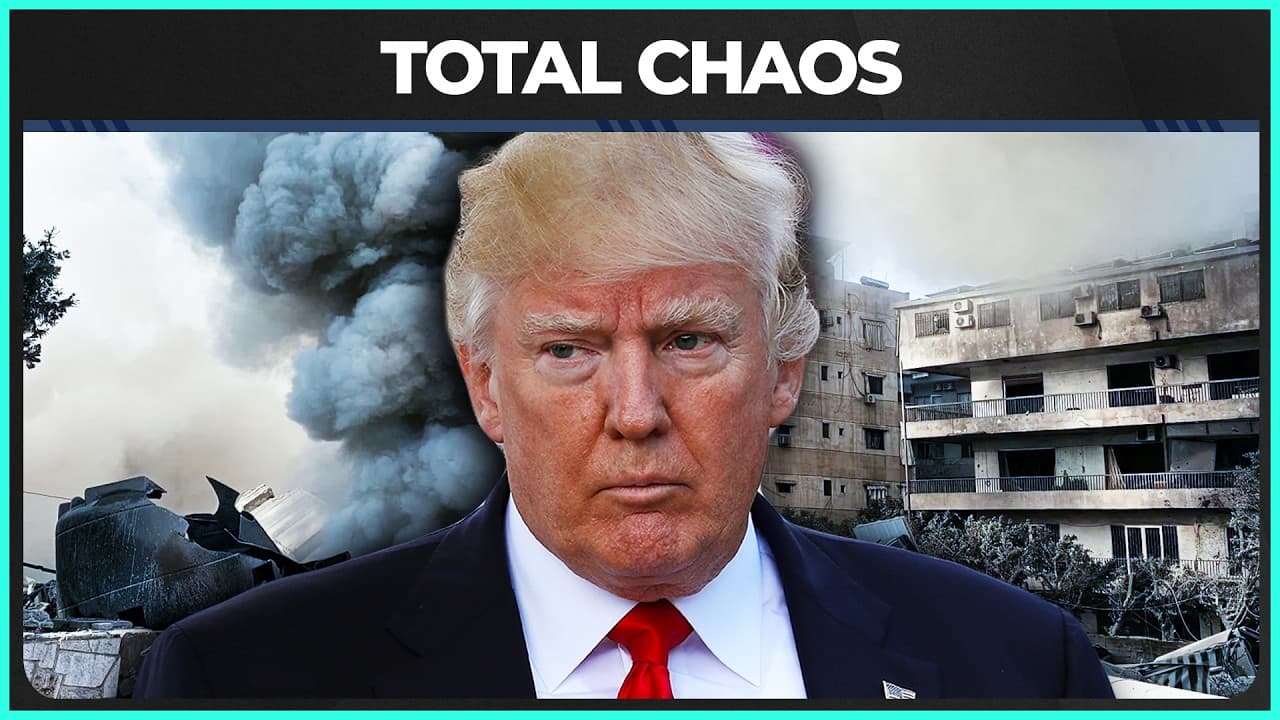
Israel Iran Conflict: Territorial Expansion or Stability?
Key Takeaways
- •Israel's real objective in the Iran conflict isn't liberation — it's territorial expansion, according to The Young Turks (TYT) in their video "Israel's Endgame in Iran REVEALED" (https://youtube.com/watch?v=V8xt9Na3Opk).
- •TYT argues that Netanyahu's humanitarian framing is cover for neutralising Iran as the primary obstacle to Israeli regional dominance, with Israeli officials privately acknowledging that encouraging an Iranian uprising would get a lot of people killed.
- •The video walks through failed peace talks, Iran's closure of the Strait of Hormuz, Saudi Arabia's shifting allegiances, and what TYT describes as Israel's deliberate push toward a destabilised, failed Iranian state.
Israel's True Endgame in Iran: Territorial Expansion or Regional Stability?
The Israel Iran conflict territorial expansion question isn't hypothetical anymore — in their video Israel's Endgame in Iran REVEALED, The Young Turks (TYT) argue it's the actual operating strategy, with Israeli and US sources now confirming the goal is a destabilised Iran consumed by internal conflict.
The logic, as laid out in the video, is straightforward: an Iran fighting a civil war is an Iran that can't push back on Israeli moves in Lebanon, Syria, or anywhere else in the Middle East.
The Greater Israel Project and Netanyahu's Iran Strategy
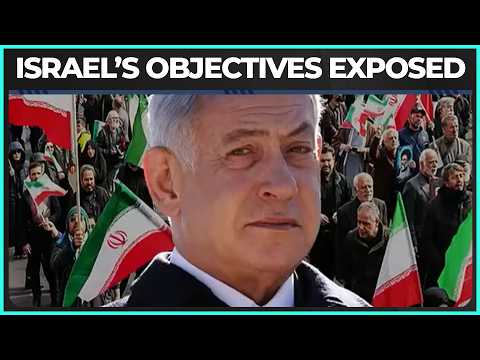
Netanyahu's public line is that Israel is fighting to "liberate" the Iranian people. TYT isn't buying it, and points to Israeli officials' own private assessments as evidence that the liberation framing is strategic packaging rather than actual policy.
Iran has historically been the one regional power with both the resources and the motivation to contest Israeli expansion. Removing that obstacle — by any means — fits the broader pattern of what critics call the Greater Israel project, regardless of what gets said at press conferences.
How Israel Uses Iranian Uprisings to Advance Territorial Goals
Israeli officials have been publicly encouraging Iranian citizens to rise up against their government. TYT points out the uncomfortable detail that those same officials, in less public settings, acknowledge the likely death toll for anyone who takes that advice.
Encouraging a revolt you privately expect to be crushed isn't a liberation strategy — it's a destabilisation one. The distinction matters.
Israeli Officials' Cynical Approach to Iranian Civilian Safety
The gap between the public messaging and the private risk assessment, as described by TYT, is the tell. If the goal were genuinely to free Iranians, the calculus would look different. As we explored in our breakdown of what Washington isn't telling you about the US-Iran war, the humanitarian justification for intervention tends to get shakier the closer you look at the strategic incentives behind it.
The collateral effect — and possibly the intended one — is that foreign-backed pressure has pushed more ordinary Iranians toward nationalism, not away from their government.
Iran's Strait of Hormuz Closure as a Geopolitical Bargaining Chip
Iran's move to close the Strait of Hormuz changed the shape of the entire negotiation. Roughly 20 percent of global oil supply moves through that waterway, so whoever controls it holds a card that everyone at the table needs to respect.
Iran is now demanding tolls for passage, which has annoyed Saudi Arabia and other Gulf states considerably — countries that were already navigating an awkward position between their own interests and pressure to back deeper US involvement.
Why Foreign Intervention Strengthens Iranian Nationalism
TYT makes a point that gets lost in most Western coverage: foreign attacks don't tend to fracture populations, they tend to unify them. The analogy used in the video is blunt — Americans wouldn't split along partisan lines if a foreign power started bombing US cities.
The bet that military pressure or encouraged uprisings would produce a popular revolt against the Iranian government appears to have produced the opposite result. This is also relevant context for understanding the strain that sustained regional conflict is placing on the Israeli military itself, which is already being described by its own leadership as near collapse after years of continuous operations.
Israel's Failed State Strategy: Creating Chaos for Regional Control
The clearest articulation of Israel's endgame, according to TYT, comes from Joe Kent and a New York Times report cited in the video — both pointing toward a deliberate strategy of leaving Iran fractured, leaderless, and absorbed in internal conflict.
A failed state in Iran doesn't threaten Israeli expansion in Lebanon or Syria. It doesn't fund proxy forces. It doesn't close straits or build missiles. From a purely strategic standpoint, chaos next door has a certain appeal — even if the long-term regional blowback from that kind of instability tends to be severe and unpredictable.
US Foreign Policy Entanglement in Israeli Ambitions
Saudi Arabia, which started this period cautiously, has shifted toward supporting US ground troop involvement. TYT attributes that shift largely to Israeli influence over both US political and media institutions, framing it as American soldiers being deployed to serve someone else's regional agenda.
The peace talks that did happen collapsed early, partly because Iran wasn't included in the initial rounds — which is a strange way to negotiate peace with Iran. Current demands from both sides remain incompatible: Iran wants compensation and security guarantees, the US wants full nuclear disarmament and a suspended missile program, and neither side has any obvious reason to move first.
Our Analysis: TYT gets the core right — Israel's "liberation" framing is political cover, not a genuine strategic goal. But they undersell how much Iran's nationalism surge complicates everyone's playbook, including the hardliners in Tehran who now have a gift-wrapped rally point.
This fits a broader pattern: external pressure consistently backfires as a regime-change tool. See: Cuba, North Korea, Russia post-2022.
Watch the Strait of Hormuz closure carefully — if it holds, energy markets will force diplomatic conversations that bombs haven't. That's the actual leverage point, and it has nothing to do with Israeli ground strategy.
Frequently Asked Questions
What is Israel's actual long-term goal in the Israel Iran conflict — territorial expansion or regime change?
Is the Greater Israel project an actual Israeli government policy or a conspiracy theory?
Why would foreign attacks on Iran make ordinary Iranians more supportive of their government?
How does Iran closing the Strait of Hormuz affect Saudi Arabia's position in the conflict?
Did Israeli officials really privately admit that encouraging an Iranian uprising would get people killed?
Based on viewer questions and search trends. These answers reflect our editorial analysis. We may be wrong.
Source: Based on a video by The Young Turks (TYT) — Watch original video
This article was created by NoTime2Watch's editorial team using AI-assisted research. All content includes substantial original analysis and is reviewed for accuracy before publication.