Iran Nuclear Negotiations US Demands: Theater or Chaos?
Key Takeaways
- •The US demand for zero uranium enrichment is considered a non-starter by experts — Iran would never have entered talks if that was the opening position.
- •Iran's Strait of Hormuz leverage is about forcing sanctions relief and reviving trade, not permanently disrupting global shipping.
- •China's vulnerability to oil price spikes gives it a strong, self-interested reason to quietly push both sides toward a deal.
The Red Lines That Aren't Really Red Lines
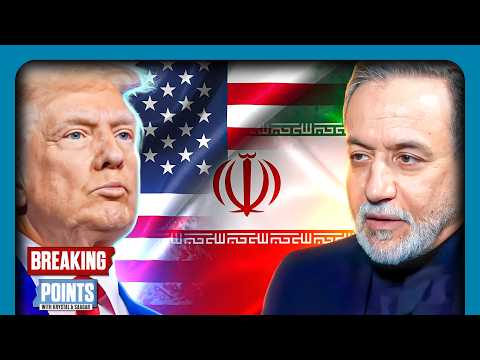
The US's stated demands for Iran nuclear negotiations — ending all uranium enrichment, dismantling facilities — sound like a maximalist opening bid. According to the analysis in a recent Trump Makes INSANE DEMANDS In Iran Negotiations video from Breaking Points, that's almost certainly what they are. Experts quoted in the discussion describe these positions as likely dead on arrival, suggesting the leaks either reflect genuine internal disagreements within the Trump administration or are tactical pressure plays designed to shape the negotiation environment before talks get serious. Neither the US nor Iran has officially declared the current ceasefire or negotiations over, which tells you something — both sides are still leaving the door open, even while publicly posturing. The gap between what gets leaked to the press and what actually happens at the table is apparently large enough to drive a diplomatic convoy through.
The Zero Enrichment Trap
How Israeli Pressure Moved the Goalposts
This isn't the first time the enrichment question has blown up a negotiation. According to the video, a critical shift happened in previous talks when US demands expanded late in the process — moving from a focus on preventing nuclear weapons to demanding Iran give up nuclear enrichment capability entirely. That shift, reportedly driven by Israeli lobbying, was the moment earlier talks collapsed. Iran had engaged on the assumption that enrichment for civilian purposes was on the table. When it wasn't, there was nothing left to negotiate. As we explored in our piece on allegations of donor influence over Trump's Israel policy, the pressure Israel can apply on US negotiating positions is not a minor variable — it's often the variable. Raising zero enrichment as a condition now, after Iran has already agreed to sit down, follows the same pattern that killed the last round of talks.
Why the Shifting Goalposts Matter More Than the Demands Themselves
The specific demand matters less than the pattern. If Iran agrees to X and the US then requires X plus Y, the credibility of any future agreement collapses — because Iran has no reason to believe the US will hold to whatever it signs. That trust deficit is the actual obstacle here, and no amount of red-line rhetoric resolves it.
What Iran Actually Wants From the Strait
Sanctions Relief, Not Shipping Chaos
Iran's leverage over the Strait of Hormuz is real, but the video makes an important distinction about how Tehran intends to use it. The goal isn't to permanently close one of the world's most critical shipping lanes — that would hurt Iran's own potential trading partners and eliminate the very economic lifeline Iran is trying to reopen. The strategy is to use the threat of disruption to pressure former trading partners into resuming commerce, effectively forcing a renegotiation of the sanctions regime through economic anxiety rather than direct confrontation. For more on how that pressure has already played out, our coverage of Iran's Strait of Hormuz moves and the ceasefire fallout fills in the recent timeline. Iran wants back into the global economy. The Strait is the crowbar, not the destination.
The Scenario Where the US Just Walks Away
There's a version of this where the US disengages without a comprehensive deal — accepting Iran's de facto control of the Strait as the price of exiting the conflict. The video floats this as a genuine possibility, not an ideal outcome. For Trump, ending the war and lowering oil prices might be enough of a win to sell domestically, even if the underlying nuclear question remains unresolved. It's a messy off-ramp, but messy off-ramps are sometimes the only ones available.
Beijing's Quiet Stake in All of This
Why China Needs This Resolved More Than It Lets On
China's role tends to get framed in US commentary as adversarial — military aid to Iran, strategic maneuvering against American interests. The video pushes back on that framing, at least regarding the Gulf. China's economy is acutely sensitive to oil price spikes. Persian Gulf instability is not an abstraction for Beijing — it's a direct threat to economic growth. The argument made is that China is likely working behind the scenes to encourage a resolution, deliberately keeping its fingerprints off the process so it doesn't inherit responsibility for the outcome if things go wrong. Intelligence reports about Chinese military assistance to Iran should be read carefully, the video suggests, because China's primary interest here is stability, not escalation.
What a Naval Blockade Would Actually Do
The Countries That Get Hit Before Iran Does
A full US naval blockade of Iran sounds like maximum pressure on Tehran. In practice, it would function as maximum pressure on China and India first — both of whom rely on Iranian oil and would face immediate supply disruptions. Global energy prices would spike, and those spikes would feed back into the US economy through higher gas prices. The Houthis, the video notes, would likely respond with further disruptions to shipping lanes, compounding the energy market chaos. A blockade isn't a surgical instrument. It's a sledgehammer that hits the global economy and then, eventually, Iran. The countries in between — including major US trading partners — absorb the damage first. That's not a reason to rule it out, but it's a reason the option is more complicated than it sounds in a press briefing.
The UAE's Abraham Accords Miscalculation
Saudi Arabia's position in all of this remains murky, with conflicting signals about where Riyadh actually stands. The UAE's position is less ambiguous — and considerably more precarious. By aligning with Israel through the Abraham Accords, the UAE placed itself on the frontline of the Iran-Israel axis of tension. Geographically, that's a problem: the UAE sits close enough to Iran that any escalation puts it directly in the blast radius, figuratively and potentially literally. Other Gulf Cooperation Council states, the video suggests, may privately view the UAE's difficulties with something close to satisfaction — its weakened regional position benefits competitors who stayed out of the Abraham Accords framework. The UAE bet on normalization as a strategic upgrade. It may have gotten a strategic liability instead.
The most telling detail in this whole discussion isn't any specific demand — it's the timing of when the zero enrichment condition got introduced in previous talks. Dropping a dealbreaker late in a negotiation, after the other side has already made concessions and built domestic political cover for engaging, is either catastrophic incompetence or a deliberate sabotage mechanism. The video doesn't fully commit to which one it was, but the effect was the same either way: Iran walked, and the US got to blame Iran for walking.
The UAE angle deserves more attention than it gets. A Gulf state that shares a maritime border with Iran, signs a normalization deal with Israel, and then watches a US-Iran conflict escalate has made a genuinely strange strategic calculation. The Abraham Accords were sold as a security upgrade. For the UAE specifically, given its geography and Iran's current posture, that case is getting harder to make.
Frequently Asked Questions
What are the real obstacles preventing Iran nuclear negotiations US demands from succeeding?
Why do experts say the US demand for zero uranium enrichment is a dealbreaker?
Is Iran actually planning to close the Strait of Hormuz?
Why would a US naval blockade of Iran hurt China and India?
What role is China playing in the Iran nuclear crisis?
Based on viewer questions and search trends. These answers reflect our editorial analysis. We may be wrong.
Source: Based on a video by Breaking Points — Watch original video
This article was created by NoTime2Watch's editorial team using AI-assisted research. All content includes substantial original analysis and is reviewed for accuracy before publication.