Trump Iran War Strategy Negotiations: TYT Analysis
Key Takeaways
- •Italy, Spain, and France have restricted US military base access and airspace use, signalling a concrete withdrawal of European support for the conflict.
- •Iran's foreign minister has declared zero trust in the US, citing prior US military strikes during live negotiations as the reason upfront concessions are now a prerequisite.
- •Trump's strategy was reportedly built on an expectation of a quick resolution — that assumption has collapsed, and no coherent replacement plan has emerged.
The Plan That Wasn't
According to Trump Has NO PLAN For This War from The Young Turks (TYT), the Trump administration walked into this conflict expecting it to be over fast. Trita Parsi of the Quincy Institute described an approach built on assumptions rather than contingencies — the kind of planning that works fine until it doesn't, and then falls apart loudly. When the quick resolution didn't materialise, what followed were angry outbursts from the president and a reactive posture that responded to events rather than shaping them. There's a difference between a strategy that fails and no strategy at all. This looks like the second one.
The European Exit
Italy and Spain have restricted access to US military bases. France has limited American overflights. These aren't symbolic gestures — they are concrete logistical constraints on US military operations. The through-line, according to TYT's coverage, is that European governments were not consulted before the conflict escalated. They didn't sign up for this, they weren't asked, and now they're quietly making that known through operational decisions rather than diplomatic statements. Worth noting alongside this is how questions about the credibility of war advocacy evidence have been circulating in parallel debates about this conflict.
Access Denials as a Diplomatic Signal
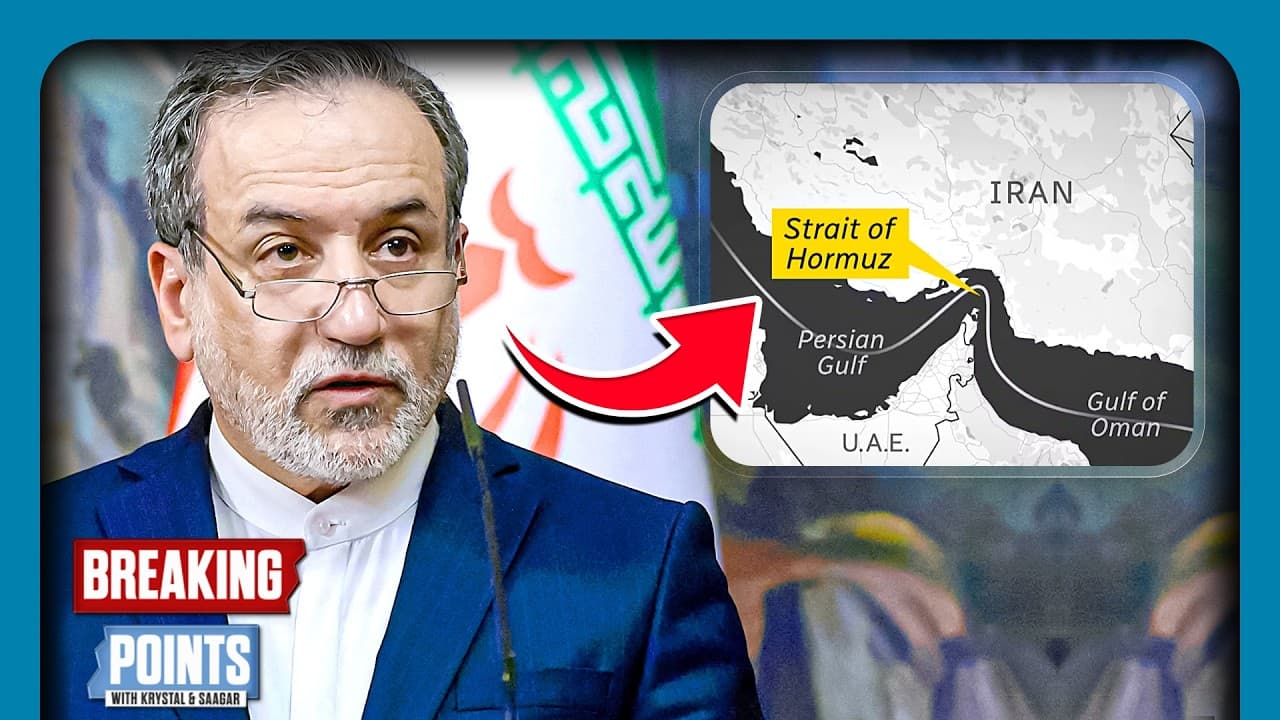
The practical effect is real. Restricted base access and denied airspace limit the US military's operational flexibility in the region. But the more important effect is political — Europe is sending a message that it will not absorb the consequences of a war it had no hand in designing. European and Asian economies depend heavily on oil moving through the Persian Gulf, which means any prolonged conflict hits them directly in the supply chain. That vulnerability cuts both ways: it makes them desperate for stability, but it also makes them unwilling to enable actions that increase the risk of disruption.
Why Iran Won't Just Take America's Word for It
Iran's foreign minister has said, in plain terms, that there is zero trust in the United States. That's not a negotiating pose. According to TYT, it traces back to specific incidents where the US conducted military strikes while negotiations were still ongoing in good faith. If you've been hit at the table before, you don't sit back down without guarantees. The structural problem for any diplomacy here is that the US typically wants a ceasefire first, then talks — but from Iran's position, a ceasefire without upfront concessions just freezes the situation in a way that benefits the party with more firepower. This mirrors broader patterns in how US credibility has eroded in the region, something also explored in coverage around congressional debates over military aid policy.
The Negotiation Table That Keeps Getting Bombed
Parsi's framing, as covered by TYT, is that past US behaviour during negotiations has made Iran's current demands structurally rational rather than obstinate. When you cannot trust that talking prevents being attacked, you demand something tangible before you expose yourself. The ask for upfront US concessions isn't Iran playing hardball for sport — it's the direct product of what happened the last time they showed up in good faith. That history doesn't disappear because a new administration wants a deal.
The Narrow Window That Might Still Exist
Here's the part that gets lost in the noise: Iran may actually have reasons to negotiate right now. If they've established new strategic realities on the ground, locking those in through a diplomatic agreement is rational. A negotiated settlement that codifies a stronger Iranian position is worth more to them than continued conflict that carries risk. The window exists. What keeps it from opening is the US insistence on terms that functionally require Iran to surrender leverage before any agreement is in place — which, given the trust deficit, Iran has no incentive to accept. As TYT frames it through Parsi's analysis, this isn't an intractable conflict by nature. It's being made intractable by the refusal to engage with what the other side actually needs to say yes.
Our Analysis
The TYT video does something useful here — it brings in Trita Parsi to explain Iranian negotiating logic rather than just narrating American frustration. That reframe matters. Most Western coverage treats Iran's demands as obstacles to peace rather than as the predictable output of a specific history. When you understand why Iran wants upfront concessions, the deadlock stops looking like Iranian stubbornness and starts looking like a solvable design problem with a US-side variable that isn't moving.
The European disengagement thread is the part the video doesn't fully develop but probably should. Italy, Spain, and France pulling back isn't just diplomatic friction — it's a structural constraint that accumulates. Each denial of base access or airspace is a small reduction in US operational capacity and a large signal to the region about where Europe's tolerance ends.
The Trump improvisation critique is fair, but it risks becoming the whole story when it's really just the surface layer. The deeper problem isn't that Trump lacks a plan — it's that even a well-planned US approach would face the same Iranian trust deficit and the same European disengagement, because both of those predate the current administration's specific decisions. The conflict has structural problems that no amount of competent White House management resolves on its own.
What's also worth sitting with is the compounding nature of the credibility problem. Trust, once spent, doesn't replenish on a diplomatic timeline. Each round of negotiations-while-striking doesn't just damage the immediate talks — it raises the price of the next round. Iran's current demands for upfront concessions aren't the ceiling; they're the floor, and that floor gets higher with each iteration. The US is essentially paying compound interest on decisions made in previous administrations, and the TYT analysis, to its credit, makes that dynamic legible without letting any single party entirely off the hook.
Frequently Asked Questions
What is Trump's actual strategy in the Iran war negotiations, and does one exist?
Why won't Iran trust the US in peace talks right now?
Why are European countries denying the US access to military bases for Iran operations?
What are Iran's actual negotiating demands and why won't the US meet them?
Is there still a realistic window for a US-Iran diplomatic deal?
Based on viewer questions and search trends. These answers reflect our editorial analysis. We may be wrong.
Source: Based on a video by The Young Turks (TYT) — Watch original video
This article was created by NoTime2Watch's editorial team using AI-assisted research. All content includes substantial original analysis and is reviewed for accuracy before publication.