Trump Iran Military Escalation 2024: Civilian Targets?
Key Takeaways
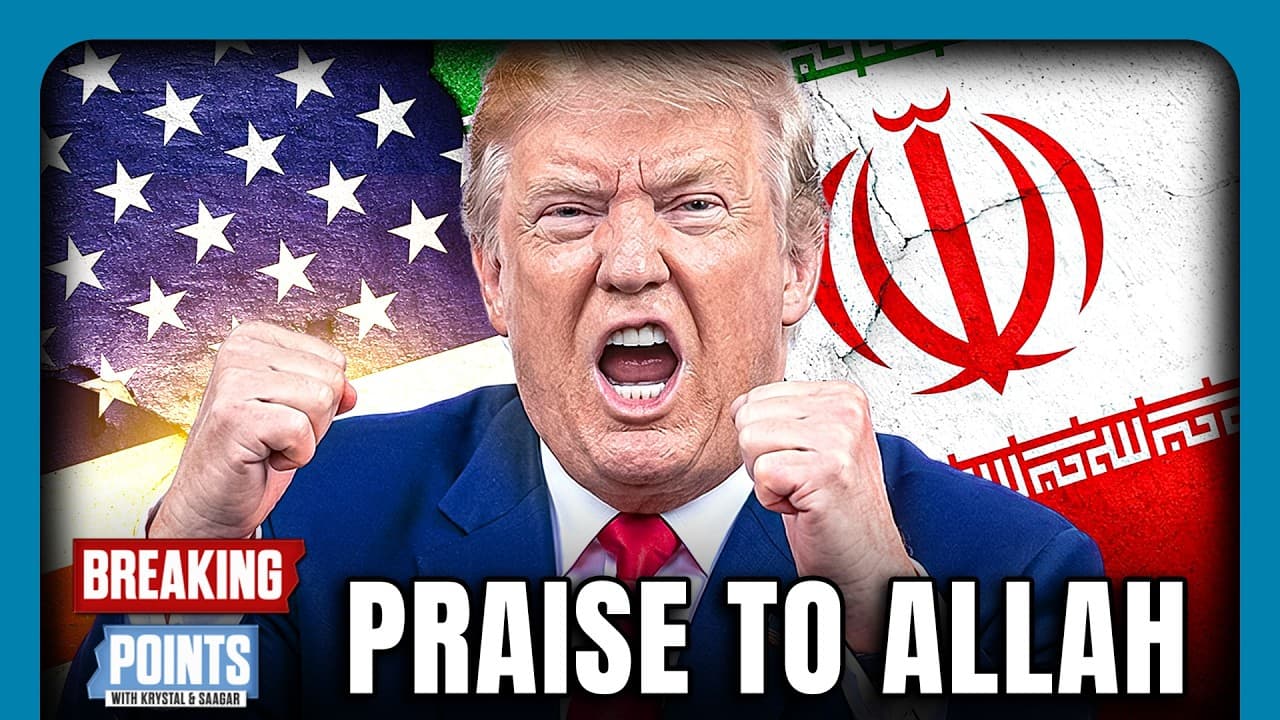
- •Trump threatened to destroy Iranian civilian infrastructure including power plants and bridges, ending a social media post with 'Praise be to Allah' — a statement analysts say potentially crosses into war crimes territory
- •Iran rejected a temporary ceasefire, demanding a permanent end to hostilities while leveraging control of the Strait of Hormuz, where tankers are now reportedly paying Iran for passage
- •The US has lost F-15s, A-10s, helicopters, and drones worth billions, and has not achieved stated strategic goals including air superiority or degrading Iran's missile capacity
The 'Praise Allah' Post and What It Actually Signals
Trump's social media post didn't just threaten Iran — it explicitly named civilian infrastructure as targets. Power plants. Bridges. The kind of targets that, under international laws of war, are supposed to be off-limits precisely because destroying them kills civilians indirectly. The post ended with 'Praise be to Allah,' a rhetorical flourish that reads less like diplomacy and more like a taunt designed to humiliate. According to Breaking Points, this represents a meaningful shift from previous aggressive rhetoric — the difference being that this is happening during an active armed conflict, not as a pre-war bluff.
The hosts draw a direct line between this posture and the approach Israel has taken in Gaza, where the distinction between military and civilian infrastructure has effectively been erased. The argument is that the US military has absorbed that logic and is now applying it to Iran. Whether that's a strategic choice or rhetorical improvisation from Trump himself is genuinely unclear — and that ambiguity is its own kind of problem. Related: ActBlue Foreign Donations Scandal: Congressional Scrutiny
The Hormuz Leverage Iran Isn't Giving Up
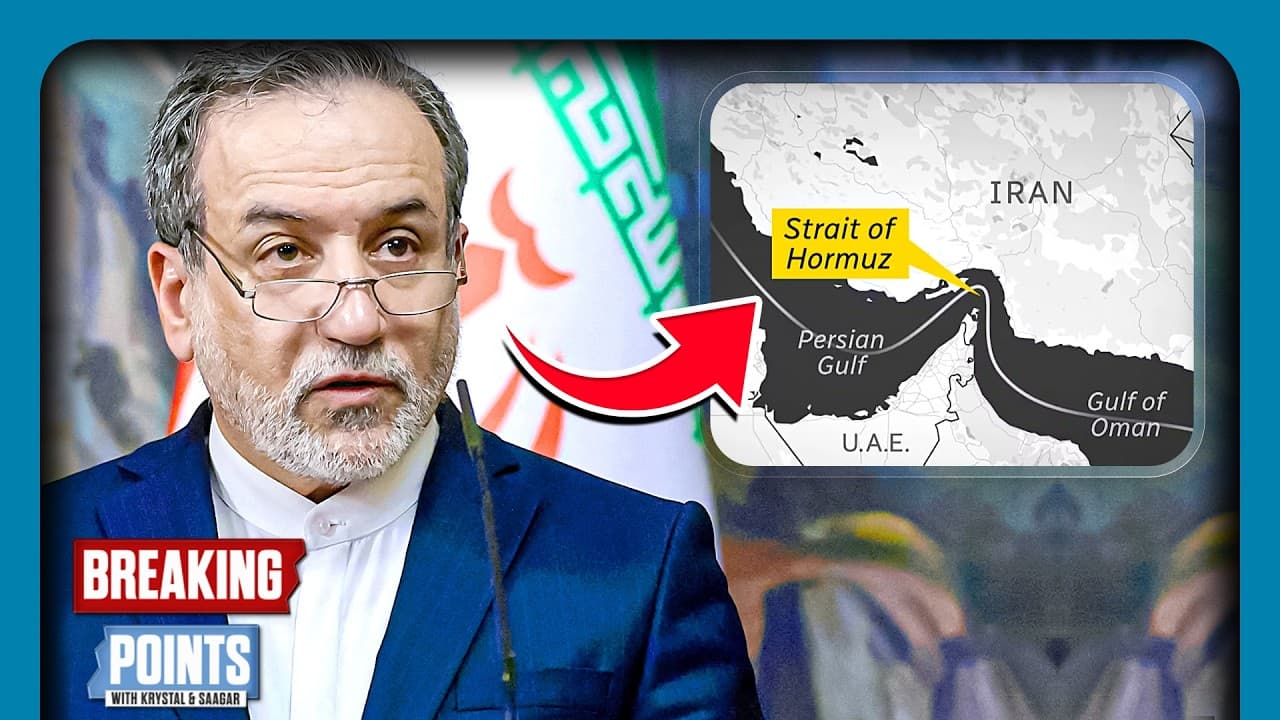
Iran rejected a temporary ceasefire, and the reasoning, as Breaking Points explains it, is straightforward: Iran currently holds a strong hand and knows it. The Strait of Hormuz — through which a significant portion of global oil passes — is under effective Iranian threat via missiles and drones, giving Iran real leverage it has no reason to surrender. Tankers are reportedly paying Iran for safe passage. That's not a position you voluntarily step back from in exchange for a pause that lets your adversary regroup.
Iran's demand isn't a ceasefire. It's a permanent end to hostilities. The distinction matters enormously. A temporary truce would allow the US and Israel time to reassess, resupply, and potentially return with a more effective strategy. Iran's parliament speaker, identified as Galab in the video, publicly accused the US of acting on behalf of Netanyahu and dragging the region toward catastrophe. Rejecting the ceasefire isn't just a military calculation — it's a political statement about who Iran believes is actually running US foreign policy in this conflict. That's a pointed accusation, and it's landing in front of a domestic Iranian audience that the regime is simultaneously cracking down on. Related: Supreme Court Rules Against Section 301 Tariffs Trump
The Rescue Operation That Raised More Questions Than It Answered
A US airman was rescued from Iranian territory, and the official framing treated it as a success. Breaking Points pushes back on that narrative hard. The operation reportedly resulted in the destruction of two C-130 aircraft — the explanation given being that a wheel became stuck in sand. The hosts are skeptical. The broader picture they paint is of a US military that has lost F-15s, A-10s, helicopters, and drones — billions of dollars in equipment — against an Iranian defense apparatus that has been studying American air tactics, reportedly with assistance from China and Russia, and adapting older technology to counter advanced US aircraft more effectively than anyone publicly acknowledged going in.
The uncomfortable implication is that US air superiority in this theater is not what it was assumed to be. Whether Trump reads the rescue as a win and gets more aggressive, or reads the losses as humiliation and gets more aggressive, the hosts argue both emotional responses lead to the same place. That's not analysis — that's a trap. Related: Keir Starmer Political Strategy Comeback: The Inside Story
The War Aims That Keep Moving
At various points, the justification for this conflict has been: the Strait of Hormuz, Iran's nuclear program, ballistic missiles, regime change, and — in one direct call Trump made to reporters — 'blow everything up and take the oil.' These are not a coherent set of objectives. They are a rotating menu of rationales, and the rotation itself tells you something about whether anyone in the administration has a clear theory of victory.
In Trump MOVES DEADLINE After UNHINGED Iran 'Allah' Easter Threat, Breaking Points frames this shifting justification not as strategic ambiguity but as the absence of strategy altogether — a distinction that matters when you're already deep into an active conflict with no obvious exit ramp.
The 'Praise be to Allah' line is getting most of the attention, but the more consequential detail in Breaking Points' analysis is the infrastructure targeting shift. If the US military has genuinely abandoned the distinction between military and civilian targets — not just rhetorically but operationally — that changes the rules of engagement for every adversary watching. Iran, yes, but also anyone else calculating how the US fights wars now. The Gaza precedent being imported into a conflict with a state that has real retaliatory reach is a different category of risk than applying it in an asymmetric fight.
The rescue operation detail is the one that should be getting more scrutiny. Two C-130s destroyed, the explanation being a wheel stuck in sand, and the official framing is 'successful mission.' The US military losing that much equipment to retrieve one airman, against an adversary using adapted older technology, is a data point about Iranian defensive capability that the public narrative is actively working around.
What's also underreported is the economic dimension sitting beneath all of this. The Hormuz leverage isn't just a military card — it's a direct line to global oil prices and, by extension, to the domestic economic conditions Trump is simultaneously trying to manage. Every escalation that raises the probability of Hormuz disruption is also a pressure point on inflation and energy costs back home. The administration doesn't appear to have a clean answer for how those two imperatives — military pressure on Iran and economic stability for American consumers — coexist. That tension doesn't resolve itself, and the shifting war aims suggest no one is seriously trying to resolve it.
Frequently Asked Questions
What specific military escalations has Trump threatened against Iran in 2024?
Why did Iran reject the ceasefire and what is it actually demanding?
What US military losses have actually occurred in the Iran conflict?
What are the real US strategic objectives in the Iran conflict versus the stated justifications?
Does Trump threatening Iran's infrastructure count as a war crime?
Based on viewer questions and search trends. These answers reflect our editorial analysis. We may be wrong.
Source: Based on a video by Breaking Points — Watch original video
This article was created by NoTime2Watch's editorial team using AI-assisted research. All content includes substantial original analysis and is reviewed for accuracy before publication.