How One Family Learned to Grow 90% of Groceries Home Garden
Key Takeaways
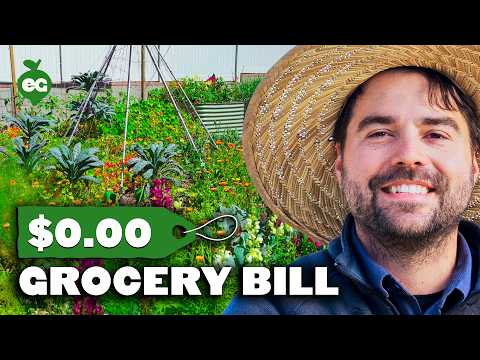
- •Jacques's garden, built for $1,000 during the pandemic, now covers 90% of fresh produce for a family of six at peak season — five years after starting with nine tomato plants.
- •Staggering crop plantings and training tomatoes to two main stems are the core techniques driving continuous harvests rather than one overwhelming glut.
- •Fruit trees like pomegranates, already flowering after just one year, represent the highest long-term return on investment in the garden.
From Nine Tomato Plants to 90% of the Groceries
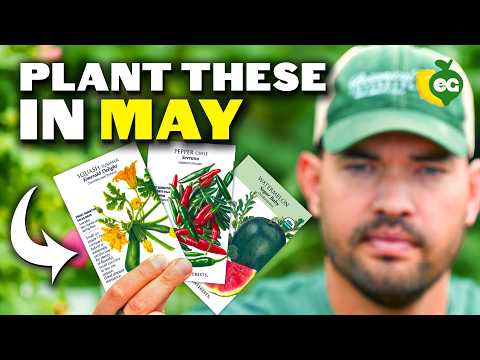
Jacques didn't start with a plan. He started with nine tomato plants and what he describes as "a chaotic patch." That was five years ago. Today, the same plot — built out for around $1,000 during the pandemic — feeds a family of six through peak season with 90% of their produce coming from the garden. The beds are organized now. The systems are deliberate. But the origin story matters, because it's the clearest evidence that the gap between a hobby garden and a functional food source is mostly just time. In a recent video, Epic Gardening's He Grows 90% of His Groceries For a Family of 6 tours the full setup with Jacques, and the five-year arc is the most useful thing in it.
The transformation wasn't one big leap — it was incremental upgrades stacked on top of each other until the whole thing became something different.
The Stagger Strategy
Most home gardeners plant corn once and then deal with the consequences: everything ripens at the same time, you can't eat it fast enough, and half of it goes to waste. Jacques plants in staggered batches instead, spacing out his corn crop so fresh ears come in across several months rather than in a single overwhelming wave. It's a simple idea that almost nobody does, and it's the difference between a harvest and a logistics problem. The same logic applies across the garden — the goal isn't maximum yield at one moment, it's consistent availability over time. If you're thinking about timing your other crops the same way, the principles behind direct sowing vegetables in April are worth understanding before you commit to a planting schedule.
The Two-Leader Tomato Method
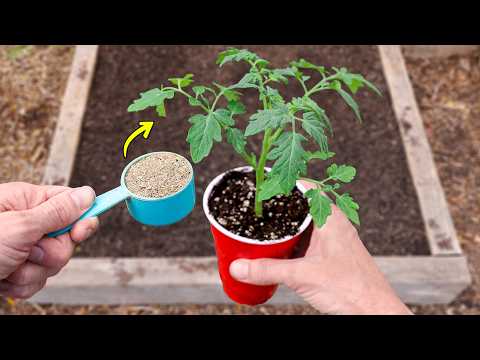
Jacques trains his tomatoes to grow two main stems instead of one, a technique he credits with pushing fruit production earlier in the season. The logic is straightforward: two leaders mean two productive pathways from the start, which accelerates the plant's output without waiting for it to fully establish a single dominant stem. He runs fewer plants this way but gets earlier, faster results — which matters when you're trying to feed six people and not just impress the neighbors. It's a different philosophy than the single-stem approach; if you want to compare the tradeoffs, single-stem tomato trellising makes the case for the other side. The honest answer is that both work — the question is what you're optimizing for.
Dense Beds and the Onion Trick
Jacques fits 10 pepper plants into a single small raised bed and over 100 onions into a 4x4 space. The onion approach is particularly clever: he harvests some early as green onions, which opens up room for the remaining bulbs to size up properly. It's essentially a built-in thinning schedule that produces food at every stage instead of just at the end. The wheat on a hugelkultur mound and the large garlic patch follow the same principle — every square foot is doing something, and nothing is waiting around. Dense planting done badly leads to disease and competition; done well, it's just efficiency.
Fruit Trees as a Five-Year Bet
The pomegranate trees Jacques planted are already flowering heavily after just one year. He frames fruit trees as a long-term investment — slow to establish, but eventually producing significant quantities of fresh fruit at a fraction of store prices with minimal ongoing effort. It's the part of the garden most people skip because the payoff isn't immediate, which is exactly why it's worth prioritizing early. A pomegranate you plant this year is working for you in year three while you're still figuring out your tomatoes. The same patient logic applies to other fruit crops — pruning fig trees for yield is another example of how small annual decisions compound into serious production over time.
What $1,000 and Five Years Actually Buys You
The $1,000 figure is the one that sticks. That's the initial build cost — beds, infrastructure, first plantings. Five years later, it's covering 90% of fresh produce for six people during peak season. The math on that is genuinely hard to argue with, especially when you factor in that the garden keeps producing without another major capital outlay. Jacques's family eats a predominantly vegan diet, which means the garden isn't supplementing meat-heavy meals — it is the meal. That raises the stakes considerably, and the fact that it works is the most persuasive thing about the whole setup. Starting small and scaling incrementally isn't a consolation prize for people without space — it's apparently just how this actually gets done.
The $1,000 startup cost gets mentioned once and then dropped, which is a shame, because it's the number that would make most viewers actually believe this is possible for them. What Jacques built isn't a homestead — it's a suburban plot with good systems. The video is most useful as a demonstration that technique compounds the same way money does: the staggered planting, the two-leader tomatoes, the dense beds — none of it is complicated, but doing all of it consistently for five years produces something that looks almost impossible from the outside.
The part the video glosses over is failure rate. Five years of footage would include seasons where things didn't work, crops that underperformed, techniques that got abandoned. Jacques's garden looks inevitable in retrospect. It wasn't. That gap between the polished tour and the actual learning curve is where most people quit, and it's the one thing a video like this structurally can't show you.
Frequently Asked Questions
What is the gardening 3 year rule?
What plants can I grow from grocery store produce?
How long does it realistically take to grow 90% of groceries for a home garden?
What is the 70/30 rule in gardening?
Is a $1,000 startup cost realistic for building a self-sufficient backyard garden?
Based on viewer questions and search trends. These answers reflect our editorial analysis. We may be wrong.
Source: Based on a video by Epic Gardening — Watch original video
This article was created by NoTime2Watch's editorial team using AI-assisted research. All content includes substantial original analysis and is reviewed for accuracy before publication.