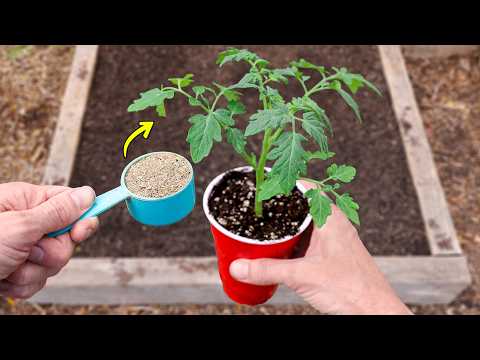
How to Grow Sweet Potato Slips: Soil Beats Water & Perlite
Key Takeaways
- •Potting soil consistently outperforms water and perlite for slip production — more slips, healthier parent potato, no rot.
- •A 15-minute vitamin C solution soak before propagation significantly reduces the risk of the parent potato rotting.
- •Slips are ready to remove at around six inches long; they root in water within 2–3 weeks and can then go straight into the garden.
Why Sweet Potato Slips Are the Key to a Successful Harvest
Sweet potatoes don't grow from seeds you scatter in the ground. They grow from slips — small sprouts that emerge from a parent potato and are then rooted and transplanted. Get the slips right, and the rest of the process is relatively forgiving. Get them wrong, and you're already behind before the season starts.
The long growing window is the other thing people underestimate. Sweet potatoes need several months to mature, which means if you're in a cooler climate and you wait until it feels like spring, you've already lost. Starting slips about six weeks before your last frost date gives the plants enough runway to actually produce something worth digging up.
Organic vs. Conventional Sweet Potatoes for Slip Production
Here's a detail that trips up a lot of first-timers: conventional sweet potatoes from the grocery store are often treated with sprout inhibitors. That's great for shelf life, terrible for anyone trying to coax sprouts out of them. Organic sweet potatoes skip that treatment, which makes them the obvious starting point for slip production. One potato is all you need — the goal is to generate as many slips as possible from a single parent, not to eat the potato itself.
Three Propagation Methods Compared: Water, Perlite, and Potting Soil
In a recent video, Don't Grow Sweet Potatoes Until You Watch This (Full Guide) by Next Level Gardening ran a controlled experiment across all three common propagation methods, checking results at 30 and 60 days under identical conditions. The findings were pretty decisive.
Water produced a lot of roots early on — which looks promising — but very few actual slips. Perlite did better on slips but caused the parent potato to begin rotting. Potting soil produced strong, numerous slips consistently across both check-ins, and the parent potato stayed firm throughout. One medium, clear winner.
Why Potting Soil Outperforms the Other Methods
The working theory is that potting soil provides just enough moisture retention without the waterlogging that causes rot, while also giving the potato something to anchor against as it pushes out growth. Water keeps the potato too wet and doesn't give slips the resistance they need to develop properly. Perlite drains well but apparently doesn't hold enough of the right conditions to keep the potato healthy long-term. Soil threads the needle. It's almost annoyingly simple once you see the results side by side.
Preventing Rot: The Vitamin C Solution Technique
Before any propagation method begins, there's one prep step worth taking seriously: a vitamin C soak. The parent potato is submerged in a vitamin C solution for 15 minutes prior to being set up in its growing medium. The goal is to reduce the microbial activity that leads to rot — a common failure point when people try to grow slips and end up with a mushy, unusable potato instead.
This is the kind of low-effort intervention that makes a real difference, and it's easy to skip because it feels optional. It isn't. If you've ever started this process and watched your potato turn to mush before a single slip appeared, this step is probably what you were missing. It pairs well with the soil method, which already reduces rot risk, but it's useful regardless of which medium you choose. Rot prevention is also something gardeners deal with in other contexts — managing blossom end rot in tomatoes follows a similar logic of addressing the root cause early rather than reacting after the damage is done.
Step-by-Step Process for Creating Healthy Slips
The setup is straightforward: soak the organic sweet potato in vitamin C solution for 15 minutes, then nestle it into a container of potting soil. Keep conditions consistent — same light, same moisture — and wait. By 30 days you should see activity; by 60 days, the soil method will have produced a meaningful number of slips ready for the next stage.
When and How to Remove Slips from the Parent Potato
The removal window is when slips hit around six inches long. At that point, they're snapped off carefully from the parent potato — not cut, snapped — and the lower leaves are stripped before the slip goes into water to develop roots. The parent potato doesn't get retired after the first round; re-watering it will prompt another flush of slips, so one potato can keep producing across multiple harvests of slips.
Slips that already have visible roots when removed can skip the water stage entirely and go straight into a pot or the ground. For those that don't, the water rooting stage takes roughly 2–3 weeks. It's a slower process than it looks, which is exactly why starting early matters so much — every week of delay at this stage is a week less growing time in the garden. This timing dynamic is similar to what happens when you start plants indoors too late and lose the advantage of an early season.
Rooting Slips in Water: Timeline and Best Practices
Place the stripped slips in water — just enough to cover the base — and wait. Roots typically appear within the first week, but the 2–3 week window is the realistic timeline before they're robust enough to handle transplanting without shock. Change the water every few days to keep it fresh and reduce the chance of bacterial buildup. Once roots are an inch or two long and look healthy, the slip is ready for the garden.
From Slip to Garden: Transplanting and Spacing Guidelines
Sweet potato plants spread. A lot. Before slips go in the ground, the bed needs to be genuinely ready — not just cleared, but set up for a crop that will occupy that space for months. Slips are planted 12–18 inches apart, which sounds generous until the vines start running and you realize the spacing was barely enough.
Irrigation matters here too. Sweet potatoes aren't drought-tolerant in the early weeks, and inconsistent watering during establishment can stunt development underground where it counts. The above-ground growth can look lush and healthy while the actual potatoes are struggling — so don't use leaf appearance alone as your indicator of how things are going.
Fertilizing and Caring for Young Sweet Potato Plants
Next Level Gardening recommends a crab, lobster, and kelp meal fertilizer at planting — a nutrient-dense organic option that supports root development without pushing too much leafy top growth. The balance matters: too much nitrogen and you get beautiful vines with underwhelming potatoes. The fertilizer choice reflects a broader principle of feeding what you actually want to harvest, not what's visible above the soil. Knowing when to harvest is its own skill — much like timing a garlic harvest, the cues are subtle and easy to miss if you're not watching for them. For sweet potatoes, yellowing leaves or blooming are the signals that the underground work is done.
The experiment is genuinely useful, but the video doesn't fully explain *why* potting soil wins — it shows that it does and moves on. The mechanism matters: soil likely succeeds because it regulates moisture at the potato's surface more precisely than water or perlite can. Without that explanation, gardeners who hit problems mid-process won't know what variable to adjust. Showing results without the reasoning is a common gap in gardening content, and it leaves viewers dependent on repeating the exact setup rather than understanding what they're actually managing.
The vitamin C soak is the most underrated detail in the whole video. It gets maybe thirty seconds of airtime, but for anyone who's lost a parent potato to rot before a single slip appeared, it's the thing that changes the outcome. It deserved more than a quick mention before the method comparison took over.
Frequently Asked Questions
Is it better to grow sweet potato slips in water or soil?
How long does it take to grow sweet potato slips?
What is the fastest way to grow sweet potato slips?
Does the vitamin C soak actually prevent sweet potato rot, or is it just a gardening myth?
Why won't my grocery store sweet potato grow slips?
Based on viewer questions and search trends. These answers reflect our editorial analysis. We may be wrong.
Source: Based on a video by Next Level Gardening — Watch original video
This article was created by NoTime2Watch's editorial team using AI-assisted research. All content includes substantial original analysis and is reviewed for accuracy before publication.