Direct Sowing Vegetables in April: Why Indoor Starts Fail
Key Takeaways
- •Direct sowing beats indoor starting for most vegetables in April — warmer soil and longer days mean outdoor conditions now outperform indoor setups for speed and plant health.
- •Tomatoes can go outside earlier than most gardeners think (low 50s at night, no frost), but peppers need nighttime temps reliably in the mid-60s before they leave the house.
- •Beans, corn, carrots, squash, zucchini, and cucumbers are almost always better direct-sown in April — transplanting them causes root stress that sets them back weeks.
Why April Changes Everything
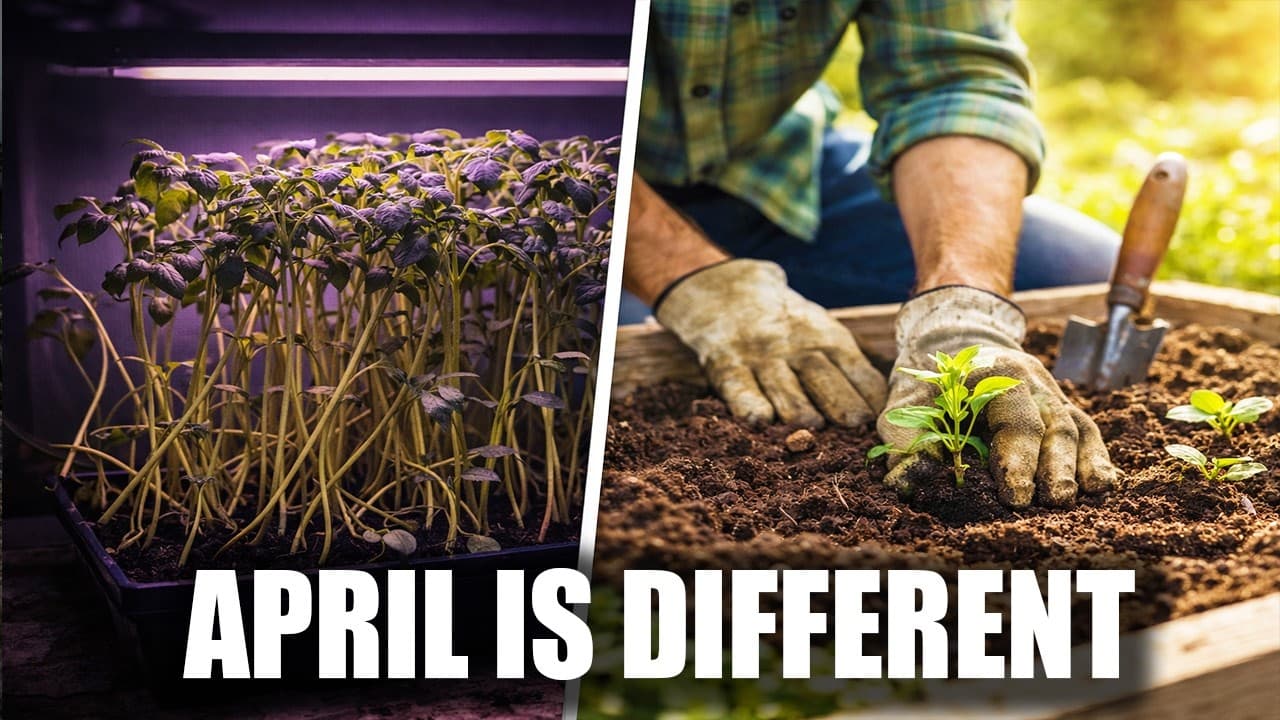
Here's the thing about indoor seed starting: it makes complete sense in January. The soil outside is frozen, daylight is scarce, and your windowsill is the only game in town. But April is a different situation entirely, and a lot of gardeners don't adjust their approach to match it. In a recent video, Next Level Gardening makes the case that continuing to start seeds indoors in April can actively work against you — not because indoor starting is bad, but because the outdoor environment has now caught up and, for many crops, surpassed what you can offer inside.
Longer days mean more light. Warming soil means faster root development. And real ground means no container walls cutting off root growth before the plant even gets started. The indoor setup that was a lifeline in February is now a bottleneck.
The Transplant Shock Problem Nobody Talks About Enough
Starting seeds indoors in April doesn't just add extra steps — it adds extra stress. Plants grown in containers can become rootbound quickly, especially fast growers. Weak indoor light produces leggy, fragile seedlings. And then, after all that, you still have to transplant them — which means disturbing roots, adjusting to new soil conditions, and recovering from the shock of a completely different environment. A seed dropped directly into warm April soil skips all of that entirely.
According to the video, direct-sown plants can catch up to — and often surpass — their indoor-started counterparts within the same season. That's not a small detail. That's the whole argument in one sentence. The instinct to feel productive by starting more seeds indoors is one of the more expensive habits a gardener can have in spring.
Rootbound and Running Out of Time
Squash, zucchini, and cucumbers are the clearest examples of crops that punish you for keeping them indoors too long. These plants grow fast — aggressively fast — and a container simply cannot keep up. If you do start them inside, the video is specific: they need to be in the ground within two to three weeks, or you're dealing with a rootbound, stressed plant that will struggle to establish even in good conditions. Direct sowing in April sidesteps the problem entirely, and given how quickly these crops grow outdoors in warm soil, there's almost no advantage to the indoor head start anyway.
It's a little humbling to realise that the plant you've been carefully tending under lights for a month might have done better if you'd just thrown the seed in the dirt.
Tomatoes vs. Peppers: Not the Same Plant
Tomatoes and peppers get lumped together constantly, but their cold tolerance is genuinely different and it matters in April. Tomatoes, according to the video, can handle nighttime temperatures in the low 50s without frost and will prioritise root development once they're in real soil — meaning a smaller outdoor tomato can close the gap on a larger indoor one faster than you'd expect. Peppers are a different story. They need nighttime temperatures consistently in the mid-60s before they go outside. Put them in cool soil too early and they don't just grow slowly — they stall. The energy cost of fighting cold soil is energy not going into growth.
Most gardening advice treats "wait until after last frost" as the only variable worth tracking. Temperature ranges for specific crops are a more useful frame, and it's one that most generic planting calendars skip entirely.
The Crops That Really Don't Want to Be Transplanted
Beans, corn, and carrots have delicate root systems that don't recover well from being moved. This isn't a minor inconvenience — transplant shock in these crops can set back development significantly, and in some cases the plant never fully recovers its early momentum. Direct sowing is the right call for all three, and April's warming soil makes it a genuinely good time to get them in the ground. Radishes are an easy addition to this list: fast-growing, direct-sown, and ready to harvest before most of your other crops have even hit their stride.
If you've been growing beans from transplants and wondering why they always seem a bit off, this is probably why.
What to Keep Indoors a Little Longer
Not everything goes outside in April. Basil still benefits from an indoor start — it's cold-sensitive enough that rushing it outdoors can set it back badly. Peppers, as covered above, need more warmth than April typically delivers at night in most climates. And cool-weather crops like broccoli and cauliflower? According to the video, April is generally too late to start those in most regions — that window has closed. The April strategy isn't "start everything outdoors" — it's "stop defaulting to indoors when the ground is ready to do the work for you."
If you're thinking about what else to do in the garden while your direct-sown seeds establish, pruning fig trees for better fruit yield is one of those tasks that pays off more than most people expect. And if you're curious about the other end of the growing season, the timing logic in harvesting garlic in July follows a similar principle — the plant tells you when it's ready, and ignoring that signal costs you.
The video's core argument is solid, but it glosses over one real complication: "April" covers an enormous range of actual conditions depending on where you live. Nighttime lows in the low 50s might be a warm April in Minnesota and a cold one in Georgia. The advice to direct sow in April assumes your April looks like a particular April, and for gardeners in colder zones, some of this guidance will land a few weeks too early. That's not a fatal flaw — the underlying logic about transplant shock and rootbound stress is correct regardless of timing — but the video presents it as more universal than it is.
What the video gets exactly right is the psychological point: indoor seed starting feels productive in a way that direct sowing doesn't, and that feeling leads gardeners to keep doing it past the point where it helps. Calling that out directly is more useful than another list of what to plant in April.
Frequently Asked Questions
What can you direct sow in April?
Is it too late to plant vegetable seeds in April?
Why does direct sowing outperform indoor seed starting in April specifically?
How do you prevent transplant shock when moving seedlings outdoors in spring?
Do tomatoes and peppers need to go outside at the same time in spring?
Based on viewer questions and search trends. These answers reflect our editorial analysis. We may be wrong.
Source: Based on a video by Next Level Gardening — Watch original video
This article was created by NoTime2Watch's editorial team using AI-assisted research. All content includes substantial original analysis and is reviewed for accuracy before publication.