Joe Rogan & RZA: Unlocking Exercise Mental Health Anxiety Clarity

Key Takeaways
- •Neglecting regular physical exercise directly causes anxiety, irritability, and loss of mental focus — not as a long-term risk, but as an immediate consequence.
- •Shaolin philosophy frames exercise as the mechanism that energizes blood and allows chi to flow, a concept RZA argues maps directly onto modern understanding of mental and physical health.
- •Both Rogan and RZA treat physical routine not as self-improvement but as maintenance — the floor, not the ceiling.
The Critical Link Between Physical Exercise and Mental Clarity
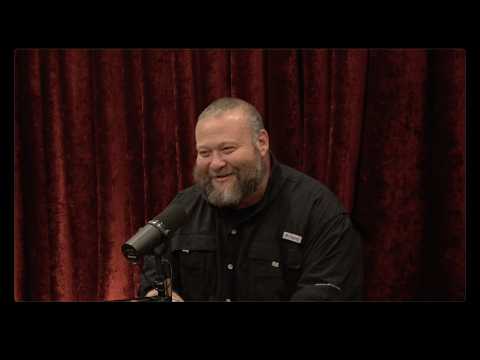
In Joe Rogan Experience #2490 - RZA, Joe Rogan and RZA don't ease into this topic. They both arrive at the same conclusion from different directions: when you stop moving, your mind starts misfiring. Rogan frames it in terms of energy management — physical activity isn't just burning calories, it's regulating the system that controls your mood, focus, and ability to function without low-grade dread humming in the background. RZA comes at it from a Shaolin angle, but the destination is identical. Exercise isn't optional maintenance. It's the thing keeping everything else from falling apart. The fact that two people with completely different intellectual frameworks landed in exactly the same place should probably tell us something.
How Neglecting Exercise Leads to Anxiety and Mental Fog
Both men are candid about what happens when their routines slip. Irritation creeps in. Focus dissolves. A kind of ambient anxiety settles in that doesn't have a clear source — which makes it harder to address. Rogan points out that this is a widespread, largely unacknowledged driver of modern mental health struggles. People aren't broken. They're sedentary, and they're experiencing the entirely predictable consequences of that. The uncomfortable implication is that a meaningful portion of what gets labeled as anxiety disorders might have a brutally simple contributing factor that no one wants to say out loud because it sounds dismissive.
The Science Behind Exercise and Emotional Regulation
Rogan explains that physical activity helps regulate energy in a way that prevents the nervous system from turning on itself. When the body isn't being used for what it was built to do, that energy doesn't just disappear — it converts into restlessness, tension, and mental noise. This connects to broader research on how exercise affects neurotransmitter systems, a thread the Joe Rogan Experience has returned to across numerous episodes with scientists, athletes, and practitioners who study human performance.
Our Analysis: Rogan and RZA are both making a point that's genuinely underrepresented in mainstream mental health conversations: that anxiety, in many cases, isn't a condition to be managed but a signal to be acted on. The framing that skipping exercise is a net negative rather than a neutral choice is the kind of concrete reframe that actually changes behavior — and it's more honest than most wellness content, which tends to sell exercise as aspiration rather than necessity.
What neither of them addresses is the access problem. The conversation assumes a life with enough schedule flexibility to maintain daily physical routines, hyperbaric chambers, and cold plunge setups. That's a real gap. The philosophy is sound. The infrastructure required to act on it is not equally distributed, and a conversation that doesn't acknowledge that is only half the picture.
There's also something worth noting about the messenger effect here. Rogan reaches an audience that is notoriously resistant to conventional wellness messaging — the kind of demographic that would roll their eyes at a mindfulness app ad but will genuinely reconsider their habits after a two-hour conversation that treats them like adults. RZA's presence adds a layer that pure fitness culture rarely brings: a spiritual and philosophical tradition that frames physical discipline not as vanity or performance, but as stewardship of something larger than the body itself. That combination is unusual, and it's part of why this particular conversation lands differently than most content covering the same ground.
The broader implication — and the one that deserves more attention — is that the exercise-as-mental-health conversation is still largely siloed from clinical practice. Therapists recommend it. Psychiatrists mention it. But it rarely gets treated with the same urgency as pharmacological intervention, despite a substantial body of evidence suggesting its effects on mood and cognition are significant and rapid. Episodes like this one don't replace that clinical conversation, but they reach people who haven't had it yet, and that counts for something.
Frequently Asked Questions
Does working out help with mental clarity?
What is the 3-3-3 rule for exercise?
Why does stopping exercise cause anxiety so quickly?
How does Shaolin philosophy connect exercise to mental and spiritual health?
Based on viewer questions and search trends. These answers reflect our editorial analysis. We may be wrong.
Source: Based on a video by Joe Rogan Experience — Watch original video
This article was created by NoTime2Watch's editorial team using AI-assisted research. All content includes substantial original analysis and is reviewed for accuracy before publication.
Related Articles



You Might Also Like
May 1
Entertainment | Joe Rogan: Comedy Scene Gatekeeping Australia vs America - The Shocking Truth

Apr 26
Life Stories | Why Do Ancient Flood Narratives Across Cultures Exist? Rogan Explores
Apr 24
Life Stories | Rogan & Gomez: content moderation YouTube pandemic lab leak

Apr 21
Gardening | How One Family Learned to Grow 90% of Groceries Home Garden