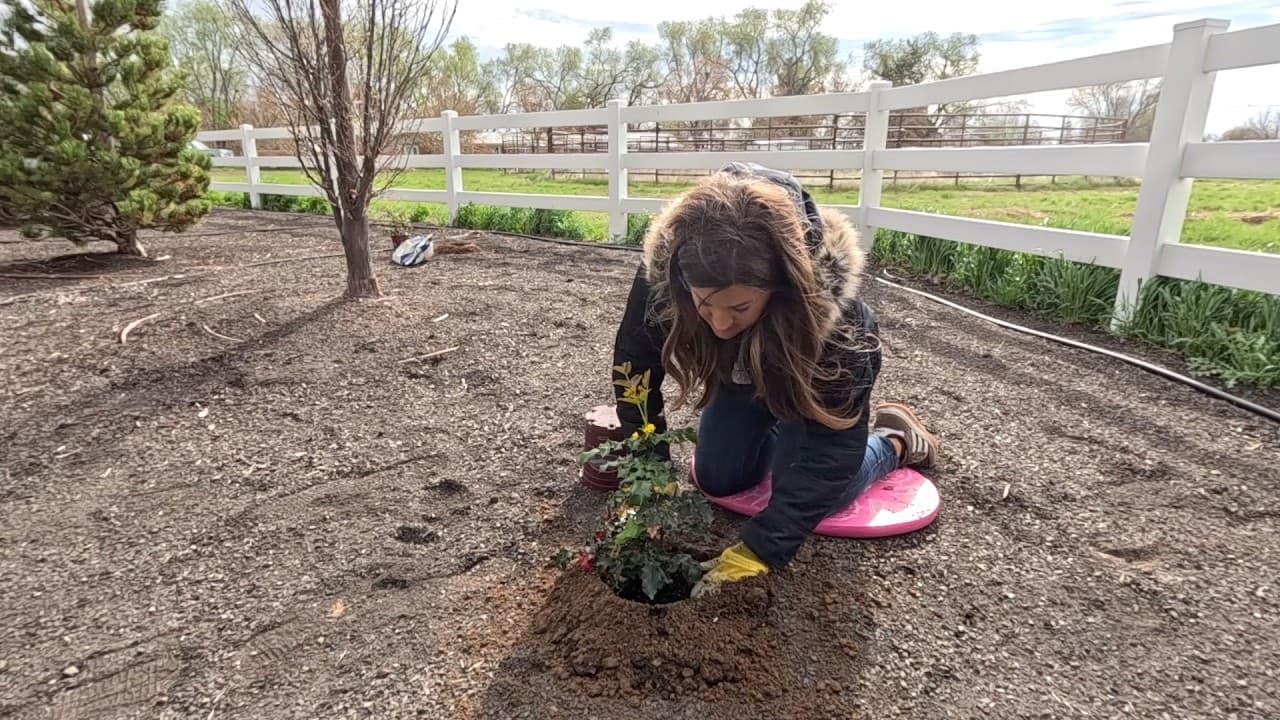
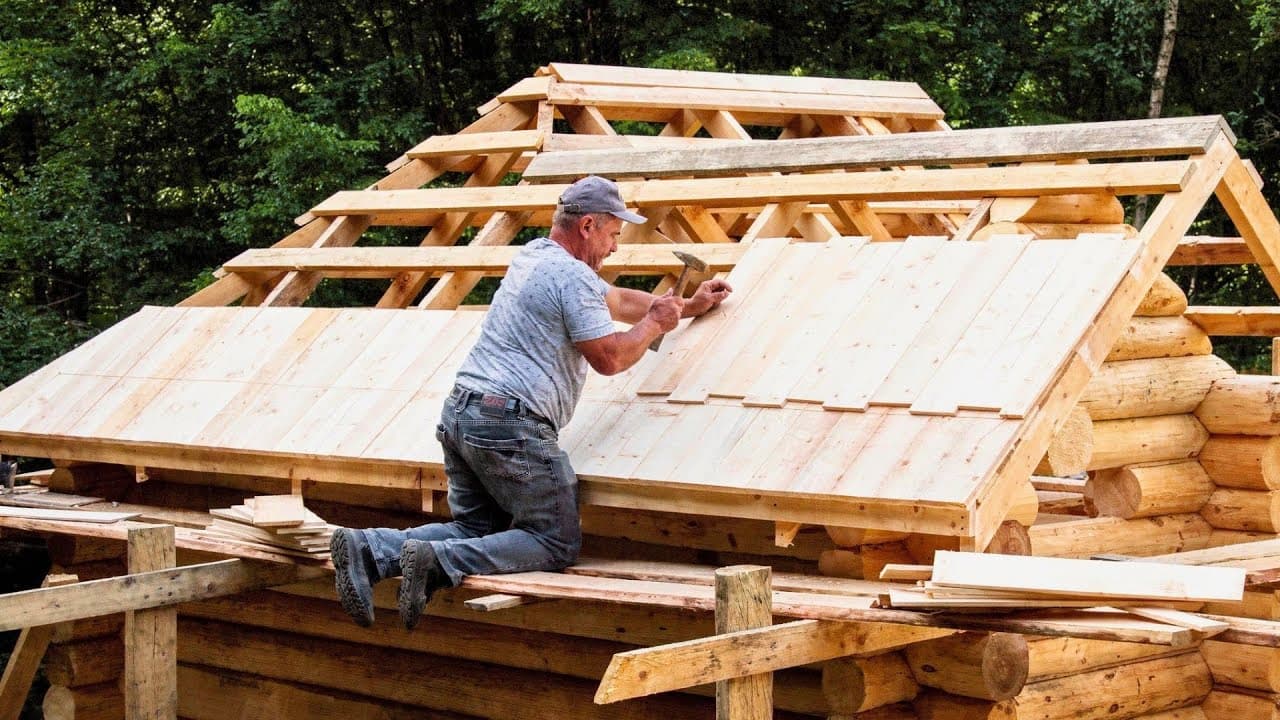
Farmhouse Construction 120 Days: DIY Self-Sufficient Farm
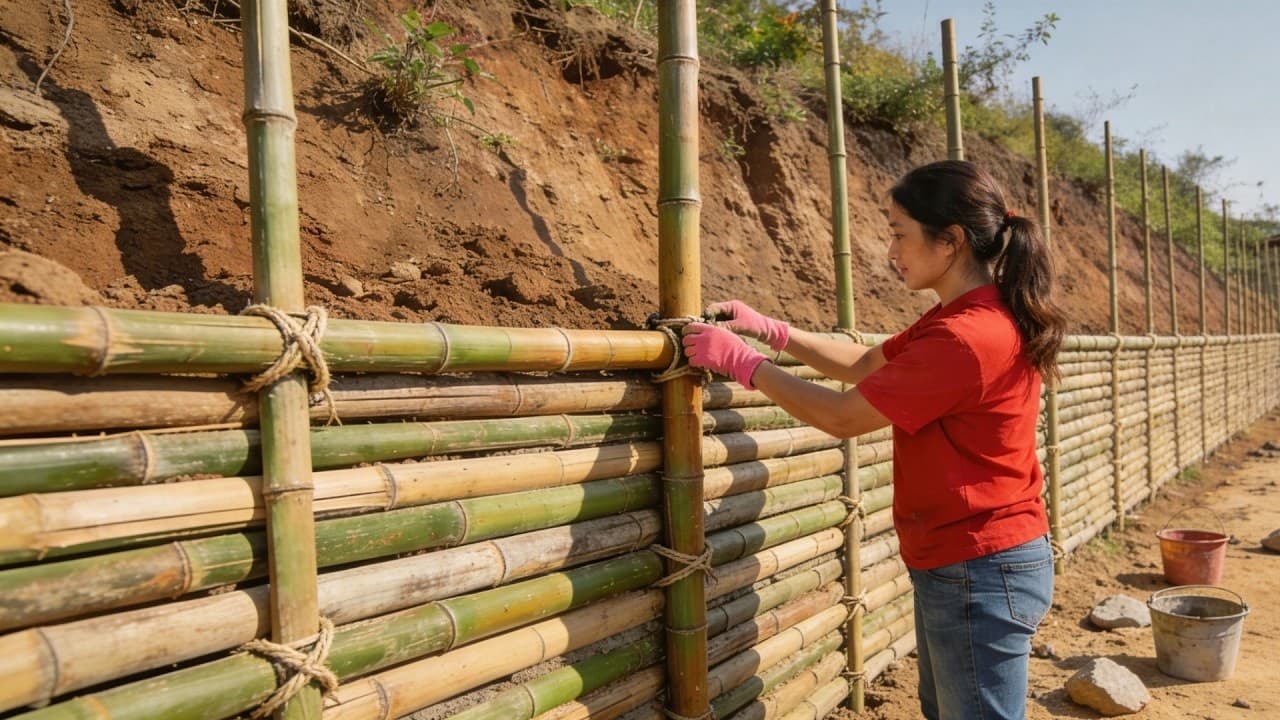
Key Takeaways
- •Triệu Thị Hoa converted empty land into a working farmhouse with a large fish pond, crop gardens, and livestock infrastructure in 120 days.
- •The project was built around a central aquaculture pond — excavated by heavy machinery — with all other systems (irrigation, landscaping, housing) designed around it.
- •Water management infrastructure, including piped supply and drainage, was installed during the construction phase rather than retrofitted, which is the detail most people planning similar builds get wrong.
120 Days, One Excavator, and a Very Clear Plan
The project doesn't ease you in. From the first scenes, heavy excavators are already tearing into the earth, carving out the basin that will become the central fish pond. This isn't a decorative feature added at the end — it's the first thing built, which tells you everything about how the whole project was prioritised. The pond is the engine. Everything else gets arranged around it.
Land clearing and shaping happened simultaneously with debris removal, and by the time the excavation phase wrapped, the site already had a defined structure. Workers levelled the surrounding areas during this phase rather than waiting, which compressed the overall timeline considerably. The 120-day figure only holds up if you're running multiple workstreams at once — and that's exactly what happened here.
The Comoros Loophole of Rural Construction: Build the Infrastructure First
Most self-build projects fail on sequencing. They put up walls, then figure out where the water goes. This project did the opposite. Pipes for water supply and drainage were laid during the construction phase, not after. Pathways and bridges around the pond were built as the house went up, not tacked on once the main structure was complete.
The farmhouse itself follows a traditional aesthetic — tiled roof, wooden accents — but the underlying infrastructure is deliberately functional. Kitchen and living areas were incorporated into the design from the start, not squeezed in later. In a recent video, Quantum Tech HD documents the full build: Young Woman Turns Empty Land into Huge Lake Farmhouse in 120 Days | Start to Finish @trieuthihoa.
Our Analysis: The 120-day figure is doing a lot of marketing work here, and it's worth being precise about what it actually represents. This wasn't a solo build — excavators, multiple workers, and what appears to be significant capital investment are all visible throughout. The timeline is impressive, but it's a project management achievement, not a bootstrap one. Someone watching this hoping to replicate it on a tight budget will need to adjust their expectations considerably before they start pricing excavators.
What the video genuinely gets right is the sequencing logic, and that part is transferable regardless of budget. Infrastructure before aesthetics, water systems before walls, planting before completion — these are decisions that compound. The fish pond as the organisational centre of the entire property is also a smarter design choice than it first appears, since it determines drainage, landscaping, and food production in one move.
There's also a wider point here about how rural self-sufficiency content gets consumed versus how it actually works in practice. Videos like this one attract viewers on two very different premises: some are genuinely studying the methodology, others are drawn by the aspirational spectacle of transformation. The Quantum Tech HD format, with its clean time-lapses and satisfying progression, is optimised for the latter audience — but the former will find real value if they're willing to watch critically. The sequencing decisions alone are worth studying as a model, even if the capital requirements place the full execution out of reach for most.
What goes largely undiscussed in the video itself is the land access question. A build of this scale — and particularly the excavation of a pond of this size — implies either ownership or very secure tenure over the plot. For international viewers interpreting this as a template, the legal and land-use context in rural Vietnam may differ significantly from their own. The construction logic is exportable; the preconditions are not automatically so.
Finally, the aquaculture component deserves more attention than it typically gets in reaction content around this video. Integrating fish production into a domestic property isn't just about food variety — it's a closed-loop resource decision. Fish waste feeds the surrounding gardens, water management becomes dual-purpose, and the pond anchors the site's microclimate. That level of integration is harder to retrofit than it looks, which is exactly why it was built first.
Frequently Asked Questions
Is farmhouse construction in 120 days actually realistic, or is that figure misleading?
What's the right order to build a self-sufficient farmhouse from scratch?
How do you integrate a fish pond into a farmhouse build without it becoming a separate project?
Can a farmhouse with a fish pond actually be self-sufficient, or is that overstated?
What are the most critical infrastructure requirements for a sustainable farmhouse build?
Based on viewer questions and search trends. These answers reflect our editorial analysis. We may be wrong.
Source: Based on a video by Quantum Tech HD — Watch original video
This article was created by NoTime2Watch's editorial team using AI-assisted research. All content includes substantial original analysis and is reviewed for accuracy before publication.