How to Prune Fig Trees for More Fruit Yield
Key Takeaways
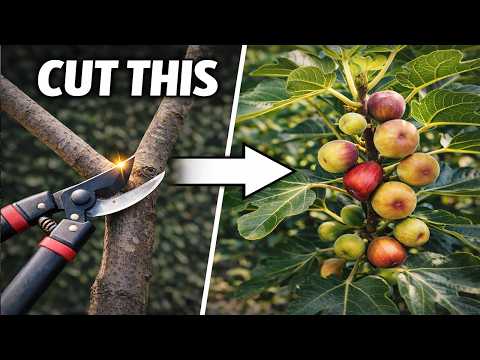
- •Pruning fig trees correctly dramatically increases fruit yield, and Next Level Gardening's video 'Cut THESE Branches for More Figs' breaks down which branches to remove and why.
- •The core argument is counterintuitive but well-supported: figs fruit on new growth, so cutting the right branches doesn't cost you a harvest, it creates the conditions for a bigger one.
- •The video covers height management, canopy opening, vertical shoot removal, and warm-climate pruning, and closes with a practical bonus on propagating new trees from the branches you just cut off.
Why Cutting Your Fig Tree Gives You More Figs
Most gardeners treat their fig tree like something that might break. They let it grow wherever it wants, skip the pruning, and then wonder why the fruit is clustered thirty feet in the air or sparse on overcrowded branches. Next Level Gardening addresses this hesitation directly in Cut THESE Branches for More Figs: the fear of pruning a fig tree into barrenness is almost entirely unfounded. Figs produce fruit on new growth, which means the act of cutting branches back signals the tree to push out exactly the kind of fresh, productive wood you actually want. Pruning isn't subtraction here. It's redirection.
The 6-8 Foot Rule That Changes Everything
Fig trees left to their own instincts grow tall fast, and tall in this context means inaccessible. According to the video, the target height for a manageable, productive fig tree sits between six and eight feet. Getting there requires heading cuts, which are straightforward reductions of branches that have pushed past that ceiling. The payoff is immediate in practical terms: you can actually reach the fruit without a ladder situation, and the tree responds by branching outward rather than continuing to sprint upward. There is something quietly satisfying about a fruit tree you can harvest in regular clothes.
The Vertical Shoots Nobody Talks About
Strong, fast-growing shoots that rocket up from the center of the tree are some of the most common and most ignored problems in fig management. The video flags these as priority removals. They compete aggressively for the tree's resources, shade out the interior canopy, and push the tree toward a shape that benefits nobody, least of all the figs. Removing them opens the center, improves airflow, and lets the scaffold branches that are actually doing productive work get the energy they deserve. It feels almost too simple, which is probably why so many people skip it entirely.
Branches That Cross Are Branches That Cause Problems
Crossing and inward-growing branches are a slow-motion problem. They rub against neighboring branches, create wounds, invite disease, and contribute to a dense interior that sunlight cannot penetrate. Next Level Gardening recommends removing these as part of any pruning pass, not because the damage is always dramatic in year one, but because the compounding effect over several seasons is a tree that works against itself. Good air circulation and light exposure in the canopy interior are what separate a fig tree that produces well from one that technically exists. If you are planning a more productive spring garden overall, it is the same logic behind Our Analysis: Good fundamentals, but the video glosses over timing in warm climates where figs never fully go dormant. That gap matters more than the video lets on. The propagation tip is the sleeper hit here. Most pruning content treats cuttings as an afterthought. Treating them as a byproduct worth planning around changes how you approach the whole session. The 6-8 foot height target is solid advice that most home growers ignore until the tree is already out of control. Would have been stronger with earlier warnings about how fast figs get away from you. What the video doesn't fully reckon with is the psychological barrier most home gardeners face the first time they make a serious cut. Intellectually understanding that figs fruit on new growth is one thing. Actually removing a branch that looks healthy and productive requires a different kind of trust. Content like this would benefit from showing before-and-after timelines — not just the pruning technique, but the recovery arc. Seeing a tree bounce back aggressively after a hard cut is the kind of evidence that converts skeptics into confident pruners. There's also a broader point worth making about fig trees specifically: they are more forgiving than almost any other fruiting tree in a home garden context. Apples and pears require careful scaffold development over years. Stone fruits punish mistimed cuts with disease entry points. Figs largely shrug off beginner errors and respond to corrective pruning with enthusiasm. That forgiving nature makes them an ideal starting point for anyone nervous about pruning fruit trees in general — and content that leads with that reassurance tends to land better with the audience most likely to need it. Finally, the warm-climate timing issue deserves more attention than a footnote. Growers in USDA zones 9 and above are often working with trees that cycle continuously rather than going fully dormant, which changes the calculus on when and how aggressively to prune. A follow-up video addressing subtropical and Mediterranean-climate fig management would fill a real gap in this content category. Based on viewer questions and search trends. These answers reflect our editorial analysis. We may be wrong. Source: Based on a video by Next Level Gardening — Watch original video This article was created by NoTime2Watch's editorial team using AI-assisted research. All content includes substantial original analysis and is reviewed for accuracy before publication.Frequently Asked Questions
How to prune fig trees for more fruit — which branches actually matter?
Can I trim my fig tree in October, or is that too late in the season?
How severely can fig trees be pruned without killing them or losing a season's harvest?
Does pruning fig trees actually increase fruit yield, or is that overstated?
What can you do with fig tree branches after pruning instead of just throwing them away?