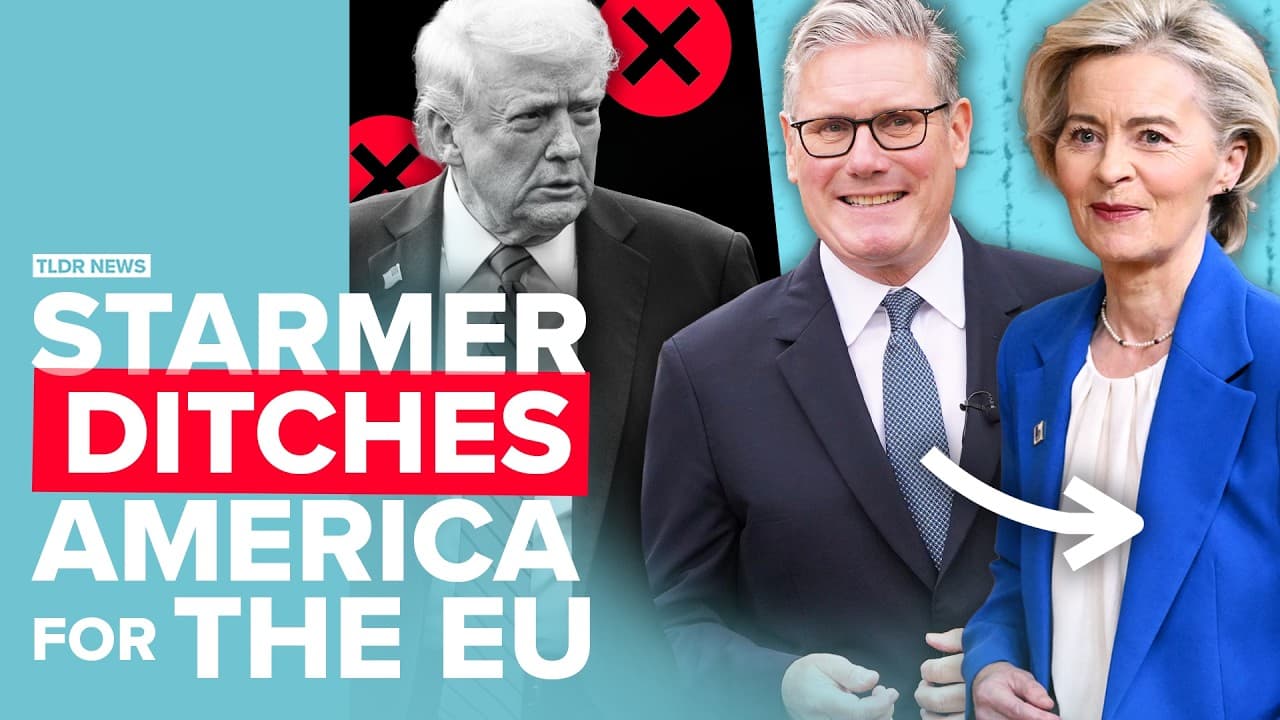
UK moving closer to EU after Trump's broken promises
Key Takeaways
- •Starmer's early attempts to court Trump — including a state visit invitation — yielded nothing; Trump imposed tariffs, threatened NATO withdrawal, and publicly attacked UK deals.
- •The UK's refusal to grant US forces access to British bases for Iran strikes was the flashpoint that collapsed the special relationship and accelerated Starmer's EU pivot.
- •A new UK-EU summit is planned with a commitment to finalise the bilateral 'reset' by year-end, though rejoining the single market is not currently on the table.
Why Starmer Stopped Chasing Trump
The original plan was straightforward, if optimistic: offer Trump enough goodwill — a state visit invitation, public rhetorical support — and he'd return the favour with commitments on NATO, trade, and a workable bilateral relationship. It didn't work. Trump later floated leaving NATO, slapped tariffs on the UK, and took shots at the Chagos Islands deal. Starmer had paid the entry fee and got nothing at the door.
What followed wasn't a slow drift — it was a decision. Starmer publicly criticised Trump's actions and began making the case for European alignment as a matter of national interest, not just diplomatic preference. The appeasement strategy had a clear expiry date, and it passed. Related: Netanyahu Pushed Trump Iran War Plan in Secret Meeting
The Iran Moment That Ended It
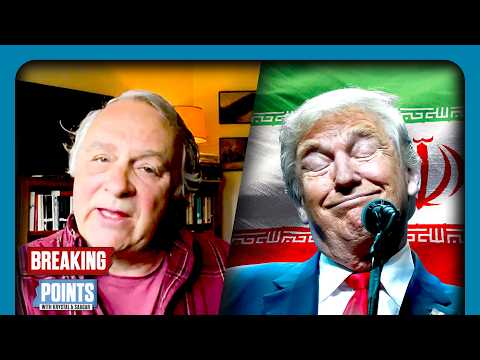
The formal break came over Iran. When the US requested access to British military bases to conduct strikes against Iran — part of a broader escalation that reportedly involved pressure from Netanyahu in a secret meeting with Trump — Starmer said no. That refusal, according to TLDR News, deeply angered Trump, who responded with public criticism of the UK's position. The 'special relationship,' already fraying, didn't survive the exchange. Denying a close ally use of your military infrastructure is not a diplomatic footnote — it's a statement of where you actually stand, and both sides knew it.
What the Lancaster House Agreement Actually Delivered
Before the Iran flashpoint, the UK and EU had already begun laying groundwork through the Lancaster House Agreement, which outlined areas for closer collaboration: security cooperation, youth mobility, and trade. The results so far have been modest. Agreements on energy and fishing rights were finalised. The SAFE scheme — a framework for deeper security coordination — stalled. Talks on other areas haven't moved much further. The Foreign Affairs Committee has criticised the UK's approach for lacking clear strategic priorities, which is a polite way of saying the government hasn't been sure what it actually wants. In a recent video, Has Trump Pushed the UK Back to the EU?, TLDR News frames this as a pattern: ambition in the headlines, limited delivery in the detail.
Starmer's New EU Summit: What He's Actually After
The next phase is more ambitious, at least on paper. Starmer is planning a new summit with EU partners and has signalled he wants to go beyond ratifying existing agreements — deeper economic cooperation, stronger security ties, and a partnership framed around shared values rather than post-Brexit damage control. A minister involved in negotiations indicated the King's speech includes a commitment to wrap up the UK-EU reset by the end of the year. That's a tight timeline for a relationship that took years to fracture.
The Economic Case Starmer Is Making
Starmer has been unusually direct about Brexit's costs, acknowledging what he called the 'deep damage' it inflicted on the UK economy. His public framing now centres on reducing living costs and strengthening security — both of which, he argues, require closer European alignment. Rejoining the single market isn't explicitly on the table, but Starmer has hinted at exploring further regulatory alignment, which would deliver some of the economic benefits without the political symbolism of formal re-entry. The gap between 'alignment' and 'membership' is where most of the interesting negotiating will happen. For context on how international legal frameworks complicate these kinds of security arrangements, the question of dual-use infrastructure and international law is worth understanding.
British Public Opinion Is Already There
Here's the part that doesn't get enough attention: the public isn't waiting for politicians to lead on this. Polls cited by TLDR News suggest a majority of British people favour closer ties with the EU, even without rejoining core institutions like the single market. Starmer pursuing a meaningful reset isn't just strategic repositioning — it's also, for once, politically popular. A government that has struggled to find clear wins could get one here, assuming the negotiations actually deliver something concrete before the year-end deadline. That's a big assumption, given the Lancaster House track record, but the political incentive to make it work is real.
The framing of this as Starmer 'pivoting' to the EU slightly undersells what happened. He didn't gradually drift — he ran a deliberate appeasement strategy, watched it fail in real time, and then changed course when the Iran decision made the cost of continuing too high. That's not a pivot, that's a policy that collapsed and got replaced. The distinction matters because it tells you something about how durable the EU reset actually is: it's being built on the wreckage of a failed bet, not on a long-held strategic conviction.
The Lancaster House Agreement's thin delivery record is the real test case here. Starmer can announce summits and signal ambition, but the SAFE scheme stalling and the Foreign Affairs Committee's criticism suggest the machinery for translating goodwill into agreements is still sluggish. A year-end deadline for finalising the reset is either a genuine forcing mechanism or a political commitment that quietly gets extended. Which one it turns out to be will tell you more about this government's competence than any speech will.
Frequently Asked Questions
Is the UK moving closer to the EU after Trump's treatment of Starmer?
Why did the UK refuse to let the US use British military bases against Iran?
What has the Lancaster House Agreement actually achieved for UK-EU relations?
Could the UK rejoin the EU single market under Starmer?
What does British public opinion actually say about closer EU ties in 2025?
Based on viewer questions and search trends. These answers reflect our editorial analysis. We may be wrong.
Source: Based on a video by TLDR News — Watch original video
This article was created by NoTime2Watch's editorial team using AI-assisted research. All content includes substantial original analysis and is reviewed for accuracy before publication.