Alan Ritchson Neighbor Fight Lawsuit: What Happened?
Key Takeaways
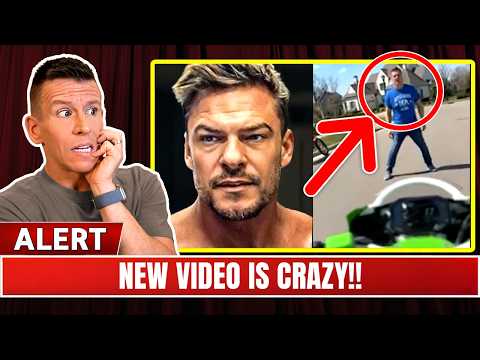
- •Actor Alan Ritchson, best known for playing Reacher, was involved in a physical street fight with his neighbor Ronnie Taylor in Brentwood, Tennessee, after Taylor admitted to intentionally crashing Ritchson's motorcycle and pushing him twice during a dispute over speeding.
- •Philip DeFranco covered the incident in his video 'The Alan Ritchson Situation Just Got Worse...For the Guy He Beat Up & Today's News,' breaking down how Taylor's own TMZ confession has effectively flipped the narrative against him.
- •Police are actively investigating the altercation, and Ritchson has since posted a cryptic quote online that reads less like a man worried about consequences and more like one who knows the other guy just handed him the case.
What Actually Happened on That Street in Brentwood
According to Philip DeFranco's breakdown in The Alan Ritchson Situation Just Got Worse...For the Guy He Beat Up & Today's News, the incident started the way a lot of ugly situations do: a neighbor with a grievance and a split-second decision to act on it. Ronnie Taylor, who lives near Alan Ritchson in Brentwood, Tennessee, claimed the Reacher actor was speeding on his motorcycle through the neighborhood. That complaint, whatever its merit, is where the reasonable part of Taylor's story ends. Taylor told TMZ that he deliberately caused Ritchson to crash the motorcycle and then physically pushed him twice. That is not a neighbor trying to address a traffic concern. That is someone who made a choice and then went on camera to describe it in detail.
The Confession Nobody Asked For
Here is the part that will define how this story is remembered. Taylor did not quietly retain a lawyer and say nothing. He went to TMZ. He explained what he did. He confirmed the intentional crash. He confirmed the physical contact. And he did all of this while a police investigation was already underway. Ritchson, for his part, responded by posting a cryptic quote about "letting your enemy make mistakes," which at this point is less cryptic and more just accurate. Whatever Taylor's original complaint about speeding was worth, it is worth considerably less now that he has publicly narrated his own role in a physical altercation that police are actively examining.
Where the Investigation Stands
Brentwood police are investigating, which is the official way of saying no charges have been filed yet and everyone is waiting to see how Taylor's media tour affects the process. Ritchson has not been charged. Taylor has not been charged. What exists right now is a confession to instigating a fight, two witnesses to whatever happened after the crash, and a public record of statements made before anyone lawyered up properly. For anyone curious about how public figures handle situations where the facts are genuinely on their side, this is a case study in what happens when the other party does the work for them. It is reminiscent of the kind of self-inflicted narrative collapse Our Analysis: The Poly Market story is the one that should be getting more attention. Someone made $900K betting on military strikes that hadn't been announced yet, and the administration that just killed the investigation into that platform has family money sitting inside it. That's not a conflict of interest to "raise concerns about." That's corruption with a paper trail. The Supreme Court mail-in ballot case is also being underplayed. Invalidating grace-period ballots isn't a procedural tweak. It's a structural shift in who gets to vote after the fact. DeFranco covers a lot of ground here, but those two stories deserved the full weight. On the Ritchson story specifically: what gets lost in the spectacle of a neighbor confessing on camera is the broader pattern of how disputes between private citizens and public figures tend to play out in the media. Taylor almost certainly believed that going to TMZ first would control the story — that getting his version out early would create enough ambiguity to matter. It's a strategy that occasionally works when both parties have done something genuinely questionable. It does not work when your strategy requires the audience to ignore your own words. The moment Taylor confirmed the intentional crash, he converted a he-said situation into a documented sequence of events. Whatever Ritchson did in response is now being evaluated against a baseline that Taylor himself established. There is also something worth noting about the economics of this kind of media decision. TMZ does not pay for access, but it does offer reach. Going there signals that Taylor wanted the public, not just the police, to hear his side. That choice reflects a fundamental misread of how public sympathy actually works. Audiences are generally willing to extend benefit of the doubt to someone who says nothing. They are far less willing to extend it to someone who says too much. Taylor handed over the narrative and then expressed surprise that it went somewhere he did not intend. That is the real story here, and it is one that will outlast whatever the investigation ultimately produces. Based on viewer questions and search trends. These answers reflect our editorial analysis. We may be wrong. Source: Based on a video by Philip DeFranco — Watch original video This article was created by NoTime2Watch's editorial team using AI-assisted research. All content includes substantial original analysis and is reviewed for accuracy before publication.Frequently Asked Questions
What is the Alan Ritchson neighbor fight lawsuit situation and why is it bad for Ronnie Taylor?
Could Alan Ritchson claim self-defense given that Ronnie Taylor admitted to pushing him first?
Has Alan Ritchson been charged with anything in the Brentwood motorcycle incident?
Why did Ronnie Taylor go to TMZ instead of letting the police investigation play out?
Does Alan Ritchson's cryptic post after the fight suggest he knows he won't face charges?
Related Articles
You Might Also Like