Trump approval ratings decline 2025: Historic Lows
Key Takeaways
- •YouGov/Economist polling shows Trump's approval among his own 2024 voters dropped from 84% to 76% — not among critics, among people who voted for him
- •Two-thirds of Americans want a quick end to the Iran war, including 40% of Republicans — a conflict that started unpopular and is getting worse
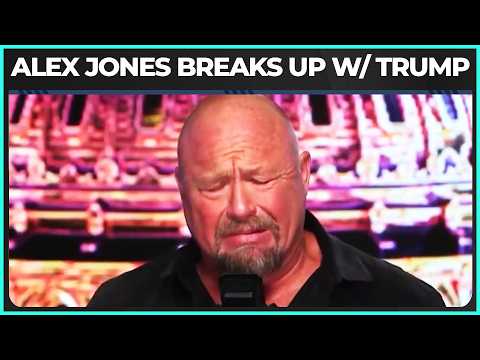
- •Alex Jones, once one of Trump's loudest backers, is now publicly questioning his fitness and telling Republicans to move on from him
Historic Lows, and Still Falling
Trump's net approval among independents has dropped below where historically unpopular presidents sat at comparable points in their terms. This isn't a single bad news cycle dragging the numbers down. According to analysis covered in Alex Jones JUMPS SHIP From MAGA by The Young Turks (TYT), it's the accumulation — a slow, grinding erosion across demographics with no clear floor in sight. Independents, the voters who actually decide elections, are moving away at a pace that should concern anyone who thinks 2026 is already locked in. When your numbers sink below Nixon-era benchmarks, the 'the polls are rigged' defence starts sounding hollow even to loyalists.
The 8-Point Crack in the Base
Here's where the methodology actually matters. Polls tracking general 'MAGA identification' and polls tracking 2024 Trump voters specifically return very different numbers — and the second group is the one worth watching. YouGov/Economist data cited in the video shows approval among 2024 Trump voters falling from 84% to 76% in a short period. That's not defectors from a decade ago. That's people who cast a ballot for him, and are now pulling back. Eight points in that specific cohort is not statistical noise. It's a signal that the promises-versus-reality gap is finally hitting people who had every reason to stay loyal.
Why Asking the Right Question Changes Everything
If you ask 'do you consider yourself MAGA?' you get one answer. If you ask 2024 Trump voters whether they approve of his job performance right now, you get a different — and more honest — picture. The distinction matters because the first question measures identity, and people defend their identities. The second measures performance assessment, and people are far less protective of that. The erosion visible in the performance data suggests the base isn't gone, but it's no longer automatic.
Why the Iran War Is Doing the Most Damage
The conflict started without strong public backing and has only gotten harder to defend since. A Reuters/Ipsos poll referenced in the video found that two-thirds of Americans want a swift end to U.S. involvement, even if it means not meeting the original objectives. That framing — even if we don't 'win' — is significant. It means the public has already mentally moved past the possibility of a clean victory and into damage-control thinking. For a president who ran explicitly on keeping America out of new wars, the political cost of this one is compounded by the broken promise attached to it. Trump's foreign policy positioning is worth comparing to other recent pressure points — his administration has also faced setbacks on issues like birthright citizenship, where the Supreme Court handed him a notable loss.
40% of Republicans Want Out Too
The intra-party dissent on the Iran war isn't a fringe position. According to the video's breakdown of Reuters/Ipsos data, four in ten Republicans support a rapid end to the conflict. That's not the opposition party — that's his own coalition. When a president loses a substantial portion of his base on a military engagement his team initiated, the political math gets very uncomfortable very fast, and there's no clean way to spin 40% as a rounding error.
When Alex Jones Stops Defending You
Jones spent years as one of the loudest amplifiers of Trump's political identity. His public pivot — now openly questioning Trump's health and telling Republicans to strategically distance themselves — functions less as a policy critique and more as a cultural indicator. Jones tends to move with the energy of his audience, not against it. If he's saying the quiet part out loud, it's likely because enough of that audience is already there. It's the political equivalent of a building's foundation shifting before the visible cracks appear.
Broken Promises Are Doing the Real Work
The voters expressing disillusionment in this video aren't first-time critics. Several had supported Trump across multiple elections. What they're describing is a specific kind of betrayal — not ideological disagreement, but the feeling that the explicit commitments made during the campaign were abandoned once power was secured. No new wars. Cost of living relief. Economic nationalism over foreign entanglements. Each of those unfulfilled pledges represents a voter who made a calculation based on stated intentions, and that calculation is now being reassessed. This kind of disillusionment is worth tracking alongside other accountability moments in progressive politics — like AOC's reversal on Israel military aid funding, which also came with a significant voter response.
Our Analysis
The most interesting thing happening in this political moment isn't the numbers themselves — it's the speed. Approval collapses usually have an identifiable catastrophic event at the centre. A scandal. A market crash. A military disaster with a clear before-and-after. What's different here is that the decline is cumulative. No single moment broke the coalition. It's been worn down by a hundred smaller disappointments stacking on top of each other, which actually makes it harder to reverse. You can course-correct after a single disaster. You can't easily undo six months of low-grade betrayal spread across every policy category your voters cared about.
The Iran war is the loudest current factor, but the economic grievances — inflation, cost of living, the gap between campaign rhetoric and governing reality — were already doing damage before a single shot was fired in that conflict. What the polling now shows is that the immunity Trump once had to bad news, the 'he's fighting for us' halo that survived scandals that would have ended other careers, has worn thin. When 24% of your own 2024 voters won't say they approve of your performance, the armour is off.
Jones calling for Republicans to move on is genuinely worth taking seriously as a data point, even if the messenger is unreliable. Commentators like Jones don't take political risks unless they believe the ground has already shifted enough to make it safe. He's not leading this movement — he's following it, loudly, which is what he does. The more interesting question is what comes next. If 2026 arrives with the Iran war still unresolved and economic conditions unchanged, the fragmentation visible in these polls won't stabilise. It will compound. And the people most invested in pretending otherwise are the ones who haven't figured out yet that defending a leader's performance record is a different job than defending his identity.
Frequently Asked Questions
How much have Trump approval ratings declined in 2025 among people who actually voted for him?
Why are Trump's polling numbers dropping so fast with independent voters?
How much has the Iran war hurt Trump's support within the Republican Party?
What does Alex Jones criticizing Trump actually tell us about MAGA base erosion?
Is the difference between 'MAGA support' polls and '2024 Trump voter' polls actually significant?
Based on viewer questions and search trends. These answers reflect our editorial analysis. We may be wrong.
Source: Based on a video by The Young Turks (TYT) — Watch original video
This article was created by NoTime2Watch's editorial team using AI-assisted research. All content includes substantial original analysis and is reviewed for accuracy before publication.