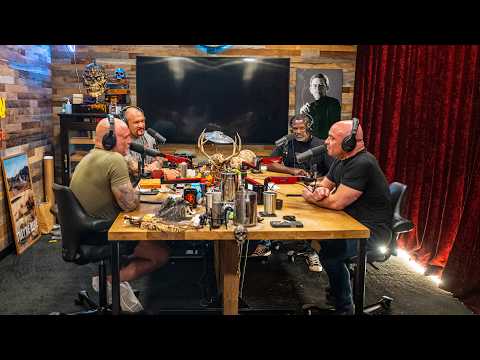
Joe Rogan, Arsenio Hall: comedy club creative freedom phone-free shows
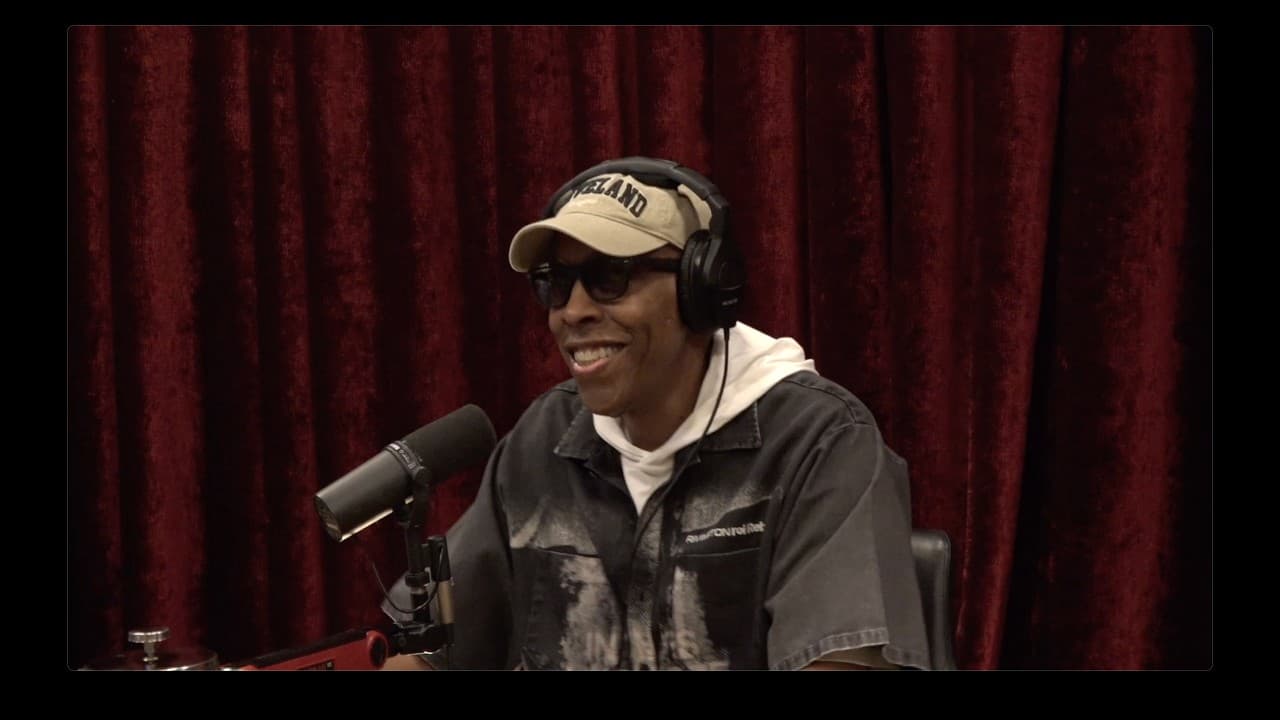
Key Takeaways
- •Phone-free show policies, pioneered by Joe Rogan's Mothership club, are now being adopted by The Comedy Store — giving comedians a safe space to test unpolished material without it ending up online.
- •The Comedy Store's legacy as a creative incubator, shaped by figures like Mitzi Shore, is being actively preserved and extended through these new practices.
- •The core problem phone bans solve isn't just privacy — it's that the fear of being recorded was actively stopping comedians from taking risks on stage.
The Mothership Started Something
Joe Rogan's Mothership club didn't just give him a venue — it gave him a policy that's now spreading. According to the conversation on the Joe Rogan Experience #2480 - Arsenio Hall, the phone-free format originated at the Mothership, where Rogan wanted to create an environment where comedians could genuinely mess around on stage without every stumble becoming a tweet. The idea is straightforward: no phones means no recordings, and no recordings means no consequences for trying something that doesn't land. It's a simple fix to a problem that didn't exist twenty years ago, and the fact that it needed inventing at all says a lot about what the internet has done to live performance.
Why The Comedy Store Needed This
The Comedy Store has always been a place where careers are built in the dark — where material gets tested, killed, resurrected, and refined before anyone outside the room hears it. Rogan and Arsenio Hall both reflect on how that process depends entirely on a comedian feeling free to fail. The adoption of phone-free policies at The Comedy Store is less a trendy gimmick and more a return to what made the club work in the first place. Mitzi Shore's vision for the space was always about protecting the creative process, and banning phones is essentially the modern version of that same instinct. Related: Albinism in Tanzania Dangers: Hunted for Witchcraft
What Recording Culture Actually Killed
Here's the thing most people don't think about: the damage isn't just to the comedian whose rough bit gets clipped and mocked online. It's to every comedian in that room who watches it happen and decides to play it safe from then on. When there's a phone in every pocket, the incentive shifts from 'let me try something weird' to playing only the hits they know will land. Stand-up comedy developed as an art form precisely because clubs were low-stakes laboratories. Recording culture turned those labs into performance reviews. The phone ban doesn't just protect one comedian — it changes the entire atmosphere of what's possible in the room, and that's the part that actually matters for the craft.
The Iterative Process Nobody Sees
Rogan and Hall make the point that stand-up material is almost never written — it's discovered, in front of a live audience, through repetition and failure. A joke that becomes a signature bit might have started as a half-formed observation that bombed three times before the comedian figured out the angle. That process requires an audience that's in on the experiment, even implicitly. Phone-free shows restore that implicit contract between performer and crowd. It's the kind of structural change that sounds minor until you realize the alternative was slowly strangling one of the most iterative creative processes in entertainment. Related: Nikole Mitchell on non-monogamous relationships and open marriage dynamics
Whether This Scales
The Comedy Store and the Mothership are both venues with enough cultural weight to enforce a phone ban without losing their audience — people show up specifically because of the reputation. The harder question is whether smaller clubs, which need every advantage they can get to fill seats, can make the same call. There's an argument that phone-free shows are actually a selling point, a signal that something real and unscripted is happening inside. But that pitch works better once the policy is established and trusted. Right now, it's still a practice being modeled from the top down, and whether it becomes an industry standard or stays a premium-venue thing is genuinely open. Related: Sonic Employee Teaches How to Handle Entitled Customers at Work
The phone-free policy conversation is interesting precisely because neither Rogan nor Hall frames it as a technology debate — they frame it as a creativity debate. The phone is just the mechanism. The actual problem they're describing is that public accountability arrived inside the room where private experimentation used to happen, and nobody voted on that trade-off. Comedians didn't agree to have their worst nights archived. Audiences didn't agree to become involuntary critics. The ban is a way of re-drawing a boundary that used to be physical and is now social.
What the conversation doesn't get into is the audience side of this. Phone-free policies at comedy clubs are almost universally praised by comedians and almost universally resented, at least initially, by ticket buyers who feel their autonomy is being managed. The clubs that have made it work did so by framing the ban as a gift to the audience — you get a better show — rather than a restriction on them. That reframe is doing a lot of heavy lifting, and it's worth noticing.
Frequently Asked Questions
What does a phone-free show mean at a comedy club?
What are the phone bags used at comedy shows, and do they actually work?
What is Dave Chappelle's cell phone policy at his shows?
How do comedy club phone-free shows actually protect a comedian's creative freedom to develop new material?
Can smaller comedy clubs realistically enforce a phone-free policy the way The Comedy Store or the Mothership can?
Based on viewer questions and search trends. These answers reflect our editorial analysis. We may be wrong.
Source: Based on a video by Joe Rogan Experience — Watch original video
This article was created by NoTime2Watch's editorial team using AI-assisted research. All content includes substantial original analysis and is reviewed for accuracy before publication.
Related Articles

You Might Also Like
May 1
Health | Joe Rogan & RZA: Unlocking Exercise Mental Health Anxiety Clarity

May 1
Entertainment | Joe Rogan: Comedy Scene Gatekeeping Australia vs America - The Shocking Truth

Apr 17
Entertainment | David Cross comedy career Boston stand-up: From Nomad to Netflix Star

Apr 11
Sports | MMA Scoring System Flaws Grappling: Rogan Breaks It Down