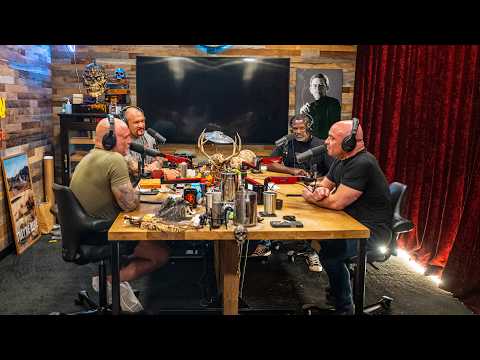
Rogan & Gomez: content moderation YouTube pandemic lab leak
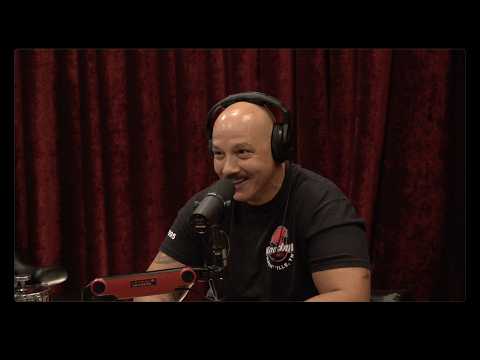
Key Takeaways
- •YouTube removed channels for discussing the lab leak theory during the pandemic — a position that later lost significant scientific and governmental credibility.
- •Rumble grew directly from the audience YouTube pushed away with its pandemic-era moderation policies.
- •Luis J. Gomez built Gas Digital as an ad-free, paid, independent platform before mainstream censorship made that model feel necessary — and ended up ahead of the curve.
YouTube's Pandemic Moderation and the Lab Leak Problem
During the COVID-19 pandemic, YouTube made a clear editorial call: the lab leak theory was misinformation, and content discussing it was subject to removal. Channels got wiped. Creators who had spent years building audiences found themselves starting over or scrambling to mirror their content elsewhere. The platform wasn't just demonetizing — it was deleting. According to Joe Rogan Experience #2486 - Luis J Gomez, this wasn't a gray area for YouTube at the time. It was policy.
The problem, as Rogan and Gomez discuss, is that the lab leak theory didn't stay fringe. U.S. intelligence agencies, the FBI, and the Department of Energy have all since assessed it as a credible origin hypothesis. The scientific consensus YouTube was enforcing turned out to be less settled than the platform treated it. Banning people for saying something that multiple federal agencies would later call plausible is a moderation record that's hard to defend — and YouTube has never really tried to. Related: Alex's 331 Days: The Unseen Battles of Sobriety Recovery Early Stages
Rumble's Accidental Business Model
Rumble didn't beat YouTube on features, interface, or creator tools. It won on one thing: it would host what YouTube wouldn't. That's a low bar, but during the pandemic it was exactly the bar that mattered. Creators who lost channels or feared losing them migrated, and they brought audiences with them. Rogan and Gomez note that this wasn't a planned disruption — it was a vacuum YouTube created and Rumble walked into.
The irony is that YouTube's moderation didn't suppress the content. It just moved it somewhere with fewer guardrails and no advertiser pressure. The people YouTube was trying to silence found bigger megaphones on platforms with no interest in policing them. That's not a win for public health communication — it's the opposite. Related: John Fogerty's Shocking Tale: Music Industry Exploitation Lawsuits Revealed
Gas Digital and the Independent Platform Bet
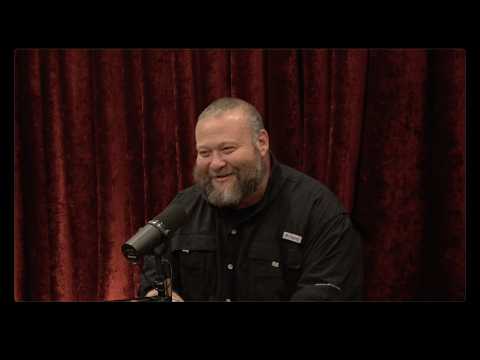
Luis J. Gomez built Gas Digital — an ad-free, subscription-based podcast network — before the YouTube censorship wave made that kind of independence feel urgent. At the time, it looked like an unusual business choice. Paid, uncensored, direct-to-audience, no advertiser relationships to protect. As Gomez explains in the episode, the model wasn't born out of necessity — it was built on foresight that mainstream platforms would eventually become more commercialized and censored.
That foresight paid off. When YouTube tightened its policies and demonetization became a routine threat for anyone discussing controversial topics, Gas Digital already had a structure that didn't depend on platform goodwill. The audience relationship was direct. No algorithm, no ad revenue cliff, no terms-of-service sword hanging over every episode. It's the kind of foresight that looks obvious in retrospect and genuinely wasn't at the time — similar in some ways to how the legal reckoning around social media platforms caught most people off guard until it didn't.
When Platforms Decide What's True
The deeper issue Rogan and Gomez circle is what it means for a private platform to act as an arbiter of scientific accuracy in real time, during a fast-moving crisis, with incomplete information. YouTube wasn't just moderating harassment or spam — it was making calls about contested empirical questions and removing people who got those questions wrong by the platform's standards, not by any settled scientific standard.
The lab leak situation is the clearest example of that going badly. But the structural problem it exposes is broader: platforms have enormous power to shape what information is accessible, they exercise that power with limited accountability, and they've shown they'll get it wrong in ways that affect real creators and real audiences. The creators who lost channels didn't get them back when the consensus shifted. There was no correction. That asymmetry — where the platform's error costs the creator everything and costs the platform nothing — is what drove the migration to Rumble and what made the Gas Digital model look smart.
The lab leak story is a clean case study in platform overreach, but Rogan and Gomez don't push hard enough on the specific mechanism that made it damaging. YouTube wasn't just wrong — it was wrong in a way that was structurally guaranteed to happen again. The platform was making real-time calls on contested science using advertiser-safe logic dressed up as public health responsibility. Those are different things, and conflating them is how you end up banning content that the FBI later calls credible.
What's missing from the conversation is any serious engagement with what accountability looks like after the fact. Rumble benefiting from YouTube's mistakes is interesting, but it doesn't fix the underlying problem. Creators who lost channels in 2020 and 2021 didn't get restored when the narrative shifted. The audience moved on. The damage was permanent and the correction was invisible — which is a worse outcome than being openly wrong.
The Gas Digital angle deserves more scrutiny too. Gomez's model succeeded not because he predicted a specific censorship event, but because he understood the longer arc: that commercialization and platform consolidation would inevitably squeeze out content that made advertisers uncomfortable. That's a structural insight, not a conspiratorial one. The distinction matters because it points to where the next Gas Digitals will come from — not from creators who expect to be silenced, but from those who recognize that ad-dependent platforms will always optimize for brand safety over creator freedom. That dynamic predates COVID and will outlast it.
Frequently Asked Questions
Why did YouTube remove channels discussing the lab leak theory during the pandemic?
Did YouTube's pandemic content restrictions actually backfire?
How did Rumble grow because of YouTube's content moderation policies?
Did creators who lost YouTube channels over the lab leak theory ever get them back?
Is a paid, subscription-based podcast network actually a better model than ad-supported platforms?
Based on viewer questions and search trends. These answers reflect our editorial analysis. We may be wrong.
Source: Based on a video by Joe Rogan Experience — Watch original video
This article was created by NoTime2Watch's editorial team using AI-assisted research. All content includes substantial original analysis and is reviewed for accuracy before publication.
Related Articles
You Might Also Like
May 1
Health | Joe Rogan & RZA: Unlocking Exercise Mental Health Anxiety Clarity
May 1
Entertainment | Joe Rogan: Comedy Scene Gatekeeping Australia vs America - The Shocking Truth
Apr 17
Entertainment | David Cross comedy career Boston stand-up: From Nomad to Netflix Star
Apr 11
Sports | MMA Scoring System Flaws Grappling: Rogan Breaks It Down