Joe Rogan: AI Censorship & Thought Control Algorithms
Key Takeaways
- •Commercial AI platforms like ChatGPT impose content restrictions that are pushing tech-savvy users toward unregulated, locally-run AI alternatives with no guardrails.
- •AI algorithms already influence human thought through behavioral tracking and echo chambers — no neural implants required.
- •The gap between regulated and unregulated AI development is widening fast, and the people exploiting that gap are the ones who understand the technology best.
The Algorithm Already Inside Your Head
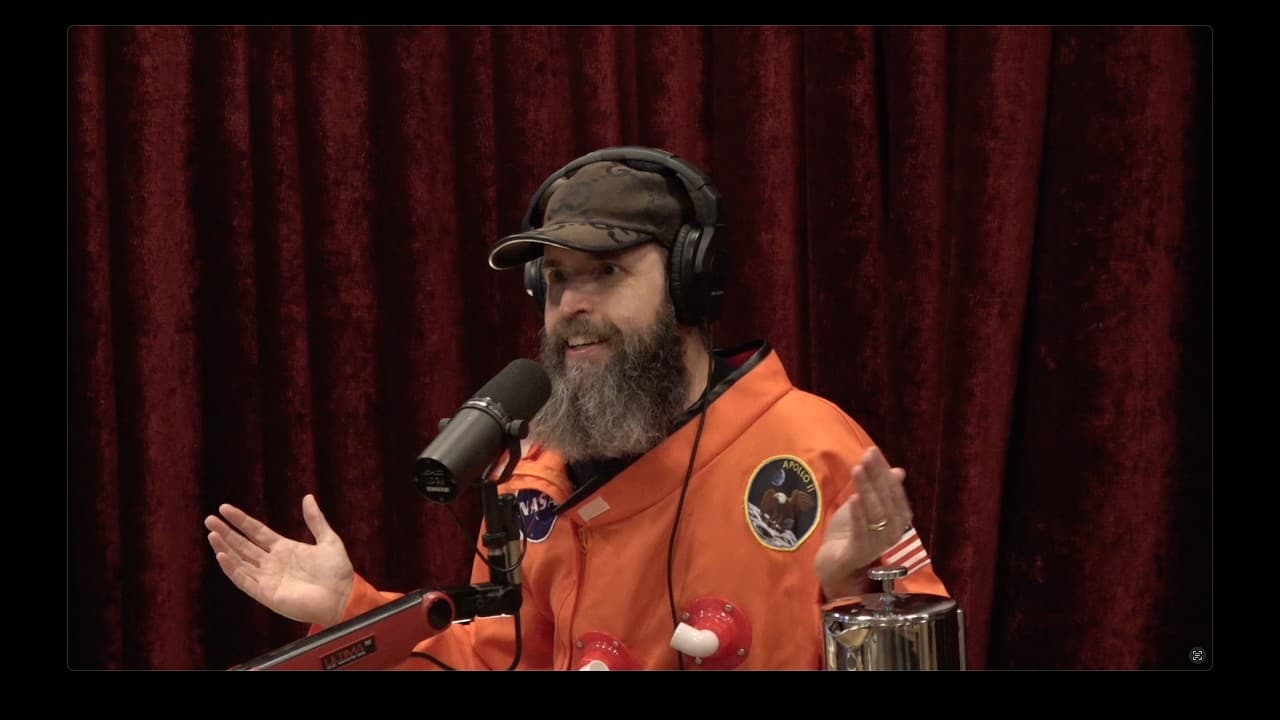
Joe Rogan and Duncan Trussell's conversation on Joe Rogan Experience #2481 - Duncan Trussell doesn't start with dystopia — it arrives there gradually. The argument they build is straightforward and genuinely unsettling: AI doesn't need direct access to your brain to shape what you think. It just needs to control what you see. Algorithms curate your information diet, create feedback loops that reinforce existing beliefs, and track behavioral patterns with enough precision to predict — and therefore nudge — your next thought before you've had it. Truly original thinking, they suggest, is becoming rare not because people are getting dumber, but because the information environment has been engineered to recycle ideas rather than generate new ones. That's either a paranoid reading of how recommendation engines work, or it's the most accurate description of the internet anyone has offered in years.
The Censorship Problem in Commercial AI
The hosts take direct aim at platforms like ChatGPT, arguing that commercial AI models are built with creative restrictions baked in — restrictions that aren't always transparent and don't always make logical sense. The example they use is illustrative: trying to build an AI model based on Charles Manson transcripts. Whether or not that's a good idea is beside the point. The point is that the refusal reveals something about who decides what AI is allowed to think about, and why. Corporate liability, advertiser pressure, and regulatory anxiety all feed into a content moderation layer that the average user never sees and can't interrogate. Rogan and Trussell frame this not as responsible design but as a form of ideological gatekeeping dressed up as safety policy.
Why the 'Meek' Are Winning the AI Race
Here's where the conversation gets interesting. The hosts argue that the people most frustrated by commercial AI restrictions are also the people most capable of circumventing them. Tech-savvy individuals are increasingly running local, unaligned AI models — systems with no content filters, no corporate oversight, and no terms of service. Rogan and Trussell describe this as the 'meek inheriting the earth': not the powerful institutions deploying AI at scale, but the individuals quietly mastering it in their basements. The irony is sharp. The harder platforms clamp down, the more they accelerate the migration toward systems that are genuinely ungovernable. It's a dynamic worth understanding — similar in some ways to how creative freedom debates play out in comedy spaces, where restrictions in one venue just push performers toward venues with none.
The Gap Between Regulated and Unregulated AI
The book referenced in the conversation, The Coming Wave, frames the core tension clearly: the same properties that make AI transformative also make it dangerous, and those two things cannot be separated. Rogan and Trussell's discussion lands on a version of this — the observation that unregulated access to AI tools is exciting for innovation and terrifying for everything else simultaneously. Someone building a useful productivity app and someone building a targeted disinformation engine are using the same stack, the same models, the same lack of oversight. The hosts don't offer a solution, which is either intellectually honest or a missed opportunity depending on your patience for problems without answers.
State Actors and the Information Layer
The conversation takes a darker turn when it moves from corporate censorship to state-level manipulation. The argument is that governments don't need to ban speech outright when they can shape the algorithmic environment that determines what speech gets amplified. Control the feed, control the narrative. Rogan and Trussell suggest this is already happening — that the line between a platform's content moderation policy and a state actor's influence operation is blurrier than most people are comfortable admitting. This connects to broader concerns about tech companies functioning as de facto regulators of public discourse, a theme that surfaces in conversations about addiction and information dependency too — the psychological hooks aren't that different from what Duncan describes in other contexts, as explored in pieces like recovery stories about substances that rewire reward systems.
The most concrete thing Rogan and Trussell get right is the feedback loop problem. When commercial AI restricts output, it doesn't eliminate demand — it redirects it. The users who migrate to unaligned local models aren't casual consumers who'll just shrug and move on; they're the technically literate ones, which means the ungoverned end of the AI spectrum is being populated by exactly the people most capable of doing something consequential with it. That's not a hypothetical risk. That's already the architecture of the situation.
What the conversation misses is any serious engagement with why content restrictions exist beyond corporate cowardice. Some of it is liability. Some of it is genuinely contested ethical territory. Collapsing all of it into 'censorship' makes for a cleaner narrative but a less accurate one — and when the argument is about the dangers of oversimplified information, that's a notable gap to leave unfilled.
Frequently Asked Questions
How do AI censorship and thought control algorithms actually work to shape what people believe?
Why are people turning to unregulated AI systems instead of commercial models like ChatGPT?
Is AI content moderation bias a real problem, or is it just responsible design?
What is the societal impact of unregulated AI development compared to commercial AI?
Can governments control public opinion through AI algorithms without banning speech outright?
Based on viewer questions and search trends. These answers reflect our editorial analysis. We may be wrong.
Source: Based on a video by Joe Rogan Experience — Watch original video
This article was created by NoTime2Watch's editorial team using AI-assisted research. All content includes substantial original analysis and is reviewed for accuracy before publication.
Related Articles
You Might Also Like
May 1
Health | Joe Rogan & RZA: Unlocking Exercise Mental Health Anxiety Clarity
May 1
Entertainment | Joe Rogan: Comedy Scene Gatekeeping Australia vs America - The Shocking Truth
Apr 17
Entertainment | David Cross comedy career Boston stand-up: From Nomad to Netflix Star
Apr 17
World News | US Retreat: The global power vacuum geopolitical risks you need to know