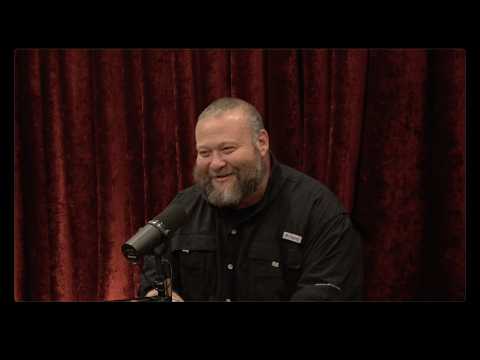
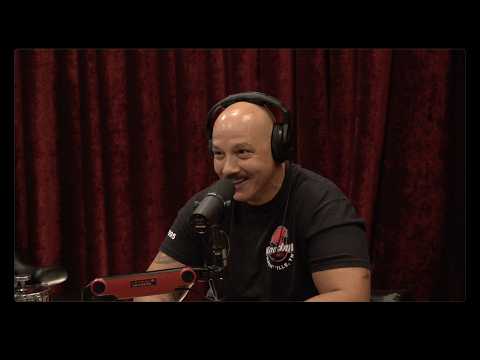
Don's Crystal Meth Addiction Recovery Story: Trauma & Healing
Key Takeaways
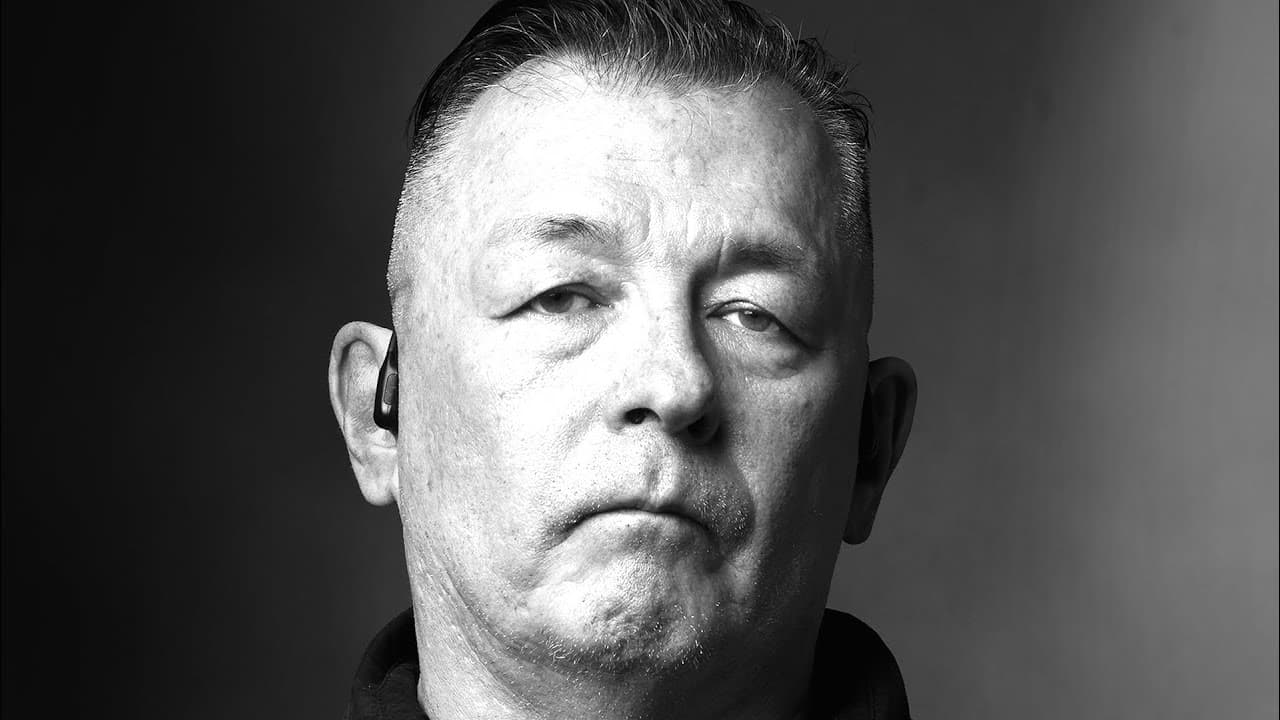
- •A man named Don, interviewed by Soft White Underbelly in the video Crystal Meth and the Gay Lifestyle-Don, describes how untreated childhood trauma and a lifelong fear of intimacy drove a crystal meth addiction that spiraled from casual use in the early 90s eventually leading to federal criminal charges by Homeland Security for illegal pornography.
- •Raised in Louisville, Kentucky, by his Korean grandmother and Southern grandfather, Don spent decades using substances to fuel a compulsive sex life built on control rather than connection.
- •His story — spanning failed rehab attempts, a partner's death from AIDS, and a decade of genuine sobriety — is a forensic case study in what happens when someone treats the symptoms and never touches the wound.
What Triggered the Addiction: Trauma Running Underneath Everything
Don didn't stumble into crystal meth from nowhere. By the time the drug entered his life in the early 1990s, he had already built an entire architecture of avoidance. Childhood sexual abuse at the hands of neighborhood babysitters and an older neighbor. A grandfather whose alcoholism came packaged with emotional cruelty. A mother who cut his father's face out of photographs, leaving Don to reconstruct his paternal identity from child support checks and fragments. The family policy, as he describes it, was not lying but not telling everything either — which is really just lying with better PR.
Don internalized that framework completely. He learned early that concealment was survival. His homosexuality went underground before he had language for it. A single comment about a man's body, met with sharp negative reactions in childhood, was apparently all the data he needed. He overcorrected — modifying his mannerisms, excelling at sports, building a body that read as masculine — and spent years performing a version of himself that felt safe to the outside world. The tragedy is that the performance worked so well, he kept doing it in every relationship he ever had. You can watch someone spend forty years running from a lesson they learned before they were ten.
How Intimacy Issues Fueled Substance Abuse
Don makes a distinction that's worth sitting with: he preferred being adored to being loved. Adoration, in his framing, was unconditional and asked nothing back. Love felt conditional — it came with the implicit threat of eventually being found wanting and abandoned. So when partners moved past adoration into genuine emotional attachment, Don responded with rage and sabotage. He describes this pattern playing out with Brian, a physician who introduced him to travel and a cultured life, and later with Jake, a mortgage banker with whom he shared a home in California. Both men apparently loved him. Both relationships were corroded from the inside.
The crystal meth piece snapped into this perfectly, which is what made it so dangerous. The drug didn't just get him high — it fueled a sexual compulsiveness where his sexual interactions were about control and validation rather than connection. While Don had previously used substances recreationally, his crystal meth use was not a recreational drug problem. Rather, it was a delivery mechanism for avoidance, and it's the kind of thing that makes standard treatment frameworks almost irrelevant until the avoidance itself gets named. As we've seen in other Soft White Underbelly portraits, the full account is available in the video Crystal Meth and the Gay Lifestyle-Don on the Soft White Underbelly channel.
Our Analysis: Don's story is not primarily a story about crystal meth — it's a story about what happens when emotional survival strategies calcify into personality. The drug is almost incidental. What's really on display here is a man who built an extraordinarily functional exterior around an interior that never got the chance to develop past a traumatized child's logic: hide what you are, perform what's acceptable, and never let anyone close enough to confirm your worst fears about yourself.
What makes this portrait unusually instructive is the specificity of Don's self-awareness. He doesn't just say he had intimacy issues — he anatomizes the distinction between adoration and love with a precision that most people in active addiction, or even years into recovery, never achieve. That clarity didn't save him in the moment, which is its own lesson. Understanding the mechanism of your dysfunction and being able to interrupt it are two entirely different skills, and the therapeutic industry sometimes conflates them in ways that set people up for failure.
The federal charges are worth pausing on, because they represent exactly the kind of escalation that happens when compulsion loses its original object. When the drug and the sexual behavior became insufficient — when the loop of control and validation stopped delivering — Don didn't stop. He went further. That pattern, the addict's search for a stronger signal when the current one goes numb, is well-documented, but it rarely gets discussed honestly in the context of how legal jeopardy enters the picture. The Homeland Security involvement wasn't a random external event. It was the logical terminus of a decade-long escalation that nobody around him, including Don himself, fully interrupted.
The decade of sobriety Don describes is quietly the most radical part of his account. Not because sobriety is unusual in recovery narratives, but because of what he says accompanied it — a complete absence of libido, which he describes as liberating rather than as loss. That reframing is significant. For most of his adult life, sexuality was the primary arena in which his unresolved trauma played out. Its disappearance, rather than being a deprivation, apparently gave him room to exist without the compulsion engine running. That's not a universal outcome, and it shouldn't be presented as a template. But it does suggest that for Don, the sexual compulsiveness was never really about desire — it was about something else entirely, and when that something else got addressed, the compulsion lost its fuel source.
What Soft White Underbelly does well in interviews like this one is resist the redemption arc as narrative closure. Don isn't presented as fixed. He's presented as someone who finally, after decades, started working on the actual problem. That distinction matters more than it might seem.
Frequently Asked Questions
How does untreated childhood trauma turn into a crystal meth addiction recovery story years later?
Can a fear of intimacy actually cause methamphetamine addiction, or is that oversimplifying it?
What typically happens when crystal meth addiction leads to federal criminal charges?
Why do so many people relapse after rehab for methamphetamine addiction if they're getting treatment?
Is there a real link between crystal meth addiction and homosexuality, or is that a stereotype?
Based on viewer questions and search trends. These answers reflect our editorial analysis. We may be wrong.
Source: Based on a video by Soft White Underbelly — Watch original video
This article was created by NoTime2Watch's editorial team using AI-assisted research. All content includes substantial original analysis and is reviewed for accuracy before publication.