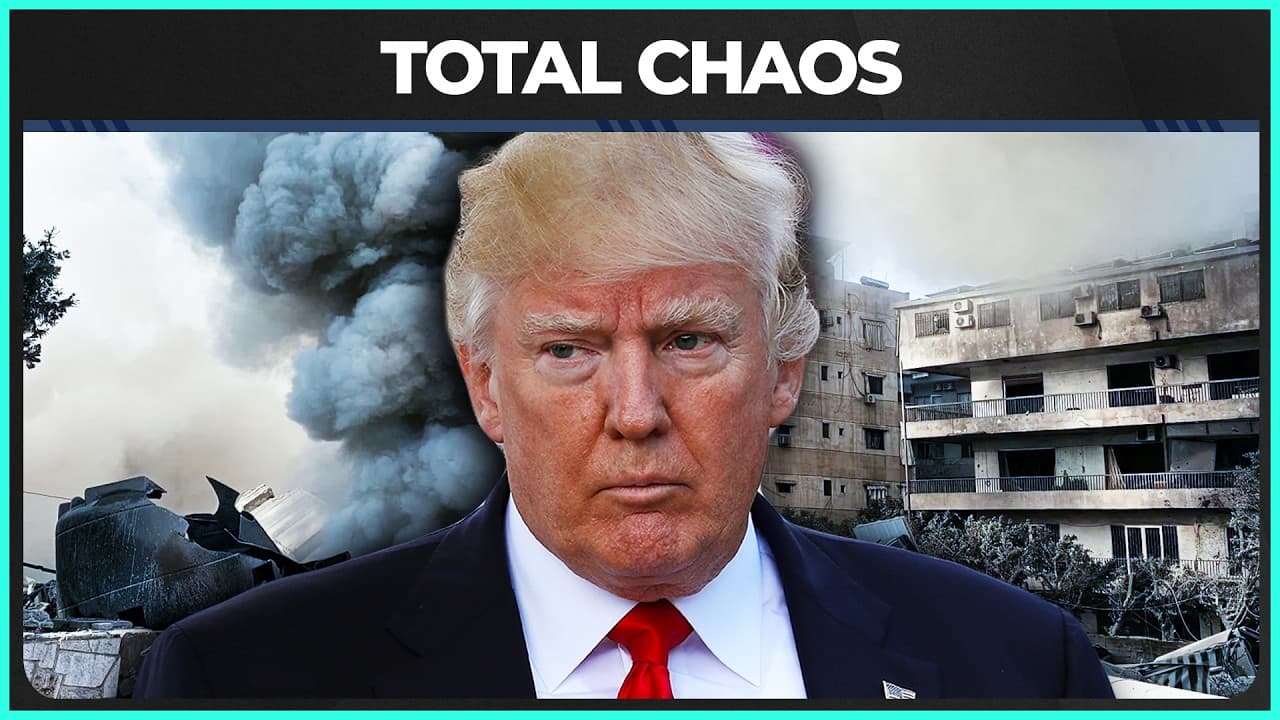
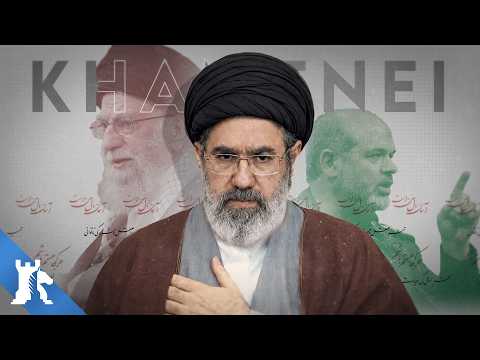
Middle East Peace Negotiations Failing: Why They're Doomed
Key Takeaways
- •Middle East peace negotiations are failing before they've really started, and The Young Turks (TYT) breaks down exactly why in their video 'Middle East Peace Talks Are Already Falling Apart.' The US, Saudi Arabia, and Egypt launched talks while leaving out Iran — a country actively controlling one of the world's most critical shipping lanes — which tells you most of what you need to know about why these efforts are going nowhere.
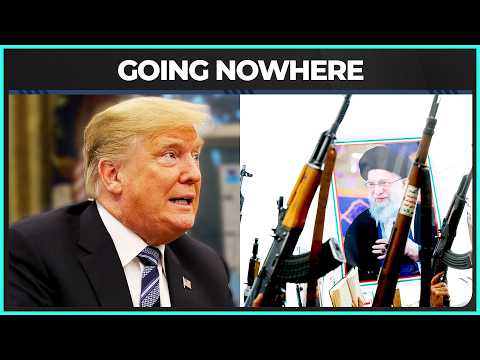
- •With Iran demanding reparations and security guarantees, the US demanding disarmament, and Saudi Crown Prince Muhammad bin Salman reportedly lobbying Donald Trump for American ground troops in Iran, the gaps between each side aren't closing.
- •They're widening.
Why Middle East Peace Negotiations Are Failing
Middle East peace negotiations are failing for a reason that's almost embarrassingly basic: the people running them left out one of the main parties to the conflict.
The Critical Mistake of Excluding Iran from Talks
Saudi Arabia, Egypt, Turkey, and Pakistan convened in Pakistan to discuss a path to peace, invited the US, and somehow didn't extend the same invitation to Iran — the country with its hand on the Strait of Hormuz and proxy networks across the region. In Middle East Peace Talks Are Already Falling Apart, The Young Turks (TYT) breaks down exactly how this exclusion undermines the entire exercise before it gets off the ground.
According to TYT's analysis, this wasn't just an oversight. The same regional players publicly calling for an end to the war were simultaneously backing continued military strikes on Iranian infrastructure, which gives you a sense of how coherent the broader strategy is.
Iran's New Leverage: Control of the Strait of Hormuz
Whatever military setbacks Iran has absorbed, it came out of this period holding something more valuable than territory: a chokehold on Gulf oil exports.
How Iran's Toll Strategy Threatens Gulf Oil Exports
Iran now controls enough of the Strait of Hormuz to start charging passage fees — framing it, according to the Wall Street Journal, along the lines of Egypt's Suez Canal model.
For Saudi Arabia and other Gulf oil exporters, that's not a minor inconvenience. It's a structural economic threat that hands Iran leverage in any future negotiation it didn't have before.
Our Analysis: TYT gets the core dysfunction right — you can't negotiate peace while excluding the party controlling a critical global waterway. Iran isn't a footnote here; it's the whole plot.
This fits a broader pattern of the US confusing "talking about peace" with "actually wanting peace." Demanding Iran disarm as a precondition is just asking them to lose before the game starts.
Watch Saudi Arabia. Their pivot toward demanding US ground troops tells you everything — Riyadh smells opportunity in chaos, not resolution. That's the thread most coverage is burying.
There's a deeper structural problem worth naming: these negotiations are being designed around the interests of the parties doing the designing. When the US, Saudi Arabia, and Egypt set the table, they're not building a framework for lasting peace — they're building one that reflects their preferred regional order. Iran's exclusion isn't a diplomatic blunder; it's a feature. The problem is that features like that have a way of becoming fatal flaws when the excluded party controls a chokepoint that moves roughly 20% of the world's oil.
The Strait of Hormuz leverage is also underreported in terms of what it signals long-term. Iran has effectively converted military vulnerability into economic leverage. Even if a deal gets hammered out, the passage fee model creates a recurring pressure point — one that doesn't go away with a ceasefire. Gulf exporters will be living under that threat indefinitely, which means any peace framework that doesn't directly address Hormuz access is just kicking the instability down the road.
Saudi Arabia's reported push for US ground troops is the most telling data point in this whole story. It suggests Riyadh doesn't actually believe diplomacy will work — or doesn't want it to. A negotiated settlement that leaves Iran standing with Hormuz leverage is arguably worse for Saudi interests than continued conflict with American military involvement. That's a genuinely dangerous calculus, and it deserves more scrutiny than it's getting from mainstream outlets focused on the surface-level talks.
The upshot: these negotiations aren't failing because diplomacy is hard. They're failing because too many of the parties at the table have more to gain from managed conflict than from actual resolution.
Frequently Asked Questions
Why are Middle East peace negotiations failing if multiple major powers are involved?
How does Iran's control of the Strait of Hormuz actually give it leverage in peace talks?
Is Saudi Arabia really pushing Trump to send US ground troops into Iran?
What does Iran actually want in exchange for joining Middle East peace negotiations?
Why were countries publicly calling for peace while also backing military strikes on Iran?
Based on viewer questions and search trends. These answers reflect our editorial analysis. We may be wrong.
Source: Based on a video by The Young Turks (TYT) — Watch original video
This article was created by NoTime2Watch's editorial team using AI-assisted research. All content includes substantial original analysis and is reviewed for accuracy before publication.