How Modern Wars End: A New Look at Global Conflict
Key Takeaways
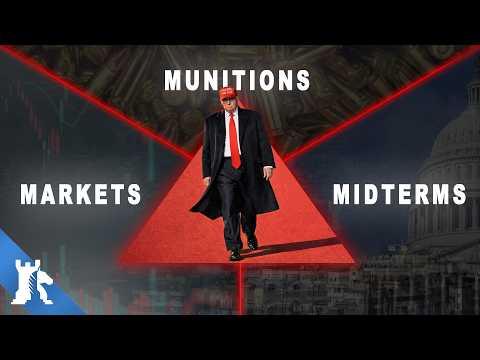
- •Modern wars no longer end with a surrender on a battlefield — they end when three systems collapse at once: munitions stockpiles run dry, financial markets destabilize, and domestic political support evaporates.
- •In its video 'How the Iran War will actually end,' Caspian Report breaks down how Iran is deliberately targeting all three pressure points against the United States and Israel, using asymmetric drone tactics, Strait of Hormuz disruptions, and attacks on digital infrastructure to stretch adversaries past their breaking point.
- •The analysis suggests the conflict's resolution is more likely to emerge from a Washington midterm cycle or a depleted NATO interceptor stockpile than from anything decided on the ground.
Modern Wars Don't End on the Battlefield
The image of a war ending with a signed surrender document is, at this point, a historical artifact. According to Caspian Report's analysis in How the Iran War will actually end, what stops modern wars is not a decisive military blow but the simultaneous failure of three interconnected systems: the ability to keep firing, the ability to keep markets calm, and the political will to keep going when voters start paying attention. These aren't soft factors sitting alongside military strategy. They are the strategy, at least for a nation like Iran that cannot win a conventional fight against the United States or Israel but doesn't need to.
The Munitions Wall
There is a persistent myth that advanced militaries have essentially unlimited firepower. The reality, as Caspian Report lays out, is almost the opposite. Precision missiles and air defense interceptors are manufactured in small production runs, with specialized components and supply chains so intricate that scaling up takes years, not months. A sustained high-intensity exchange can burn through what took years to build in a matter of days. When that happens, militaries face an ugly choice: strip assets from other theaters, or start rationing fires in the active one. As we explored in our look at
Our Analysis: Caspian Report gets the core mechanic right. Modern wars don't end with flags raised over rubble. They end when the logistics collapse, the bond markets panic, and a politician facing reelection decides the math no longer works. Iran has clearly read that playbook.
What the video undersells is the asymmetry of pain tolerance. Iran operates under sanctions regardless of whether there's a war. Its adversaries stand to lose something they currently have. That difference matters more than any missile count when the pressure starts building toward a negotiated off-ramp.
There's also a deeper structural point worth sitting with: the three-system collapse model Caspian Report describes isn't unique to Iran. It's a template that any sufficiently motivated non-peer adversary can attempt to apply against a superpower with a functioning democracy and a debt-financed defense budget. The domestic political pressure point is arguably the most exploitable of the three, precisely because it operates on a fixed electoral calendar that adversaries can plan around. Iran doesn't need to know classified military readiness figures — it just needs to know when the midterms are.
The munitions question is underreported in mainstream coverage but operationally central. Western defense industries spent decades optimizing for cost efficiency rather than surge capacity. The result is production infrastructure that is genuinely difficult to accelerate. When interceptor stockpiles thin out, the calculus around which threats to engage and which to absorb changes dramatically — and that calculus shift is itself a form of strategic victory for the side launching cheap drones at expensive missiles.
Finally, the financial dimension deserves more weight than it typically gets. Energy price volatility triggered by Strait of Hormuz disruptions doesn't just affect fuel costs — it feeds into inflation expectations, central bank decisions, and the political mood in countries that have nothing to do with the conflict directly. A war that makes European grocery bills go up is a war that generates political headwinds in NATO capitals. That's not a side effect of Iran's strategy. It's a feature of it.
The honest takeaway is that the video describes a world where the weaker party has more levers than conventional military analysis would suggest — and where the stronger party's greatest vulnerabilities aren't its weapons systems but its institutions, its attention span, and its willingness to absorb cost over time.
Frequently Asked Questions
How do modern wars actually end if there's no battlefield surrender anymore?
Can Iran actually disrupt global financial markets through the Strait of Hormuz?
Why are NATO air defense interceptor stockpiles a vulnerability in a war with Iran?
Does the U.S. electoral cycle actually influence when wars end?
What happens to supply chains and tech infrastructure if Iran targets data centers?
Based on viewer questions and search trends. These answers reflect our editorial analysis. We may be wrong.
Source: Based on a video by Caspian Report — Watch original video
This article was created by NoTime2Watch's editorial team using AI-assisted research. All content includes substantial original analysis and is reviewed for accuracy before publication.