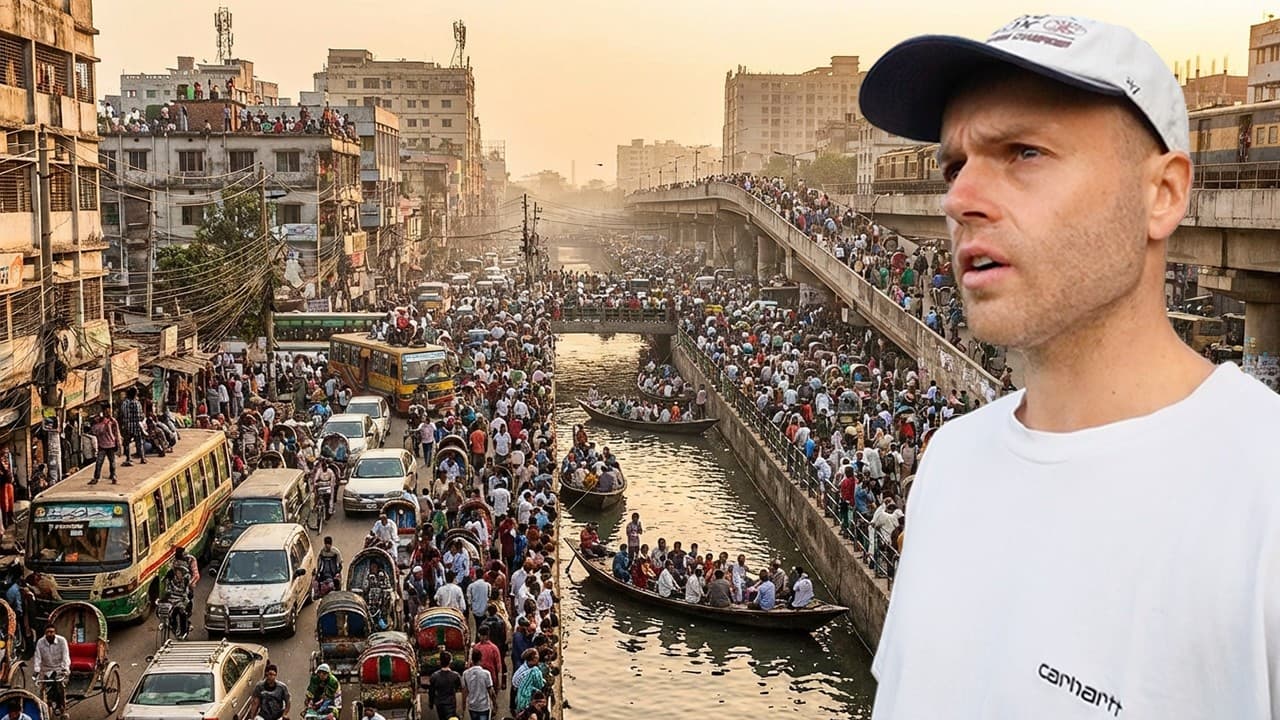
Mayotte Island France Crime Safety: Paradise or Peril?
Key Takeaways
- •Mayotte is a French overseas department near Madagascar where 80% of the population lives in poverty and unemployment sits at 30% — making it the poorest French department by a significant margin.
- •Gangs of boys as young as 12 control territorial zones and pose a genuine physical threat to residents and visitors, particularly after dark.
- •Mayotte voted to remain French while the rest of the Comoros archipelago gained independence — a decision that still defines its identity, its immigration crisis, and its relationship with mainland France.
France's Island That France Forgot
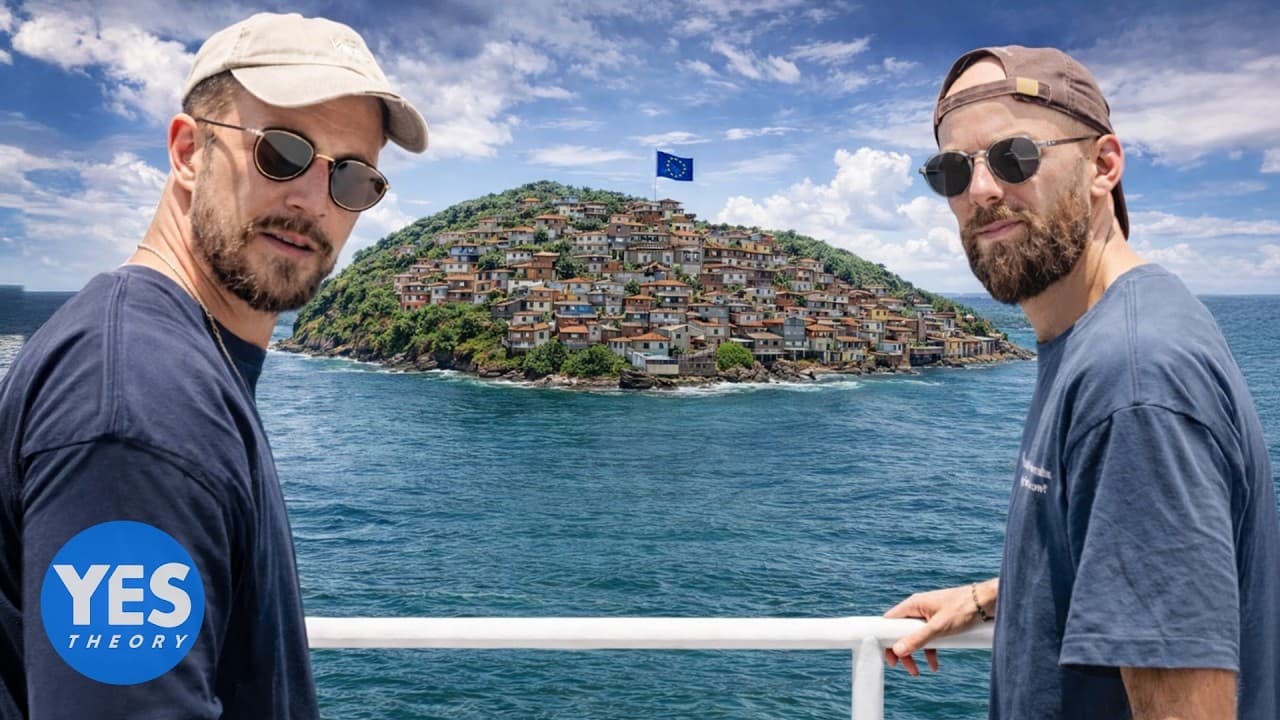
Mayotte sits in the Indian Ocean, wedged between Madagascar and the eastern coast of Africa. It uses the euro. Its residents hold French passports. And almost nobody in mainland France could point to it on a map. In Traveling to Europe's Most Dangerous Island No One Knows Exists, the Yes Theory team arrived with next to no plan, discovered they'd landed on a smaller satellite island requiring a ferry to reach the main one, and immediately started piecing together why this place exists the way it does. That combination of administrative Frenchness and geographic remoteness isn't an accident — it's the entire story.
The island was sold to France in 1841, folded into the colonial structure of the Comoros archipelago, and then left to figure out its identity when decolonization arrived. It did so in a way that still causes friction today. Related: Turkmenistan Travel Restrictions and Visa Requirements
The Vote That Split an Archipelago
Why Mayotte Chose to Stay French While Comoros Gained Independence
When the Comoros declared independence in the 1970s, Mayotte held its own referendums and voted, repeatedly, to remain French. The rest of the archipelago went one way; Mayotte went the other. The Comoros has never fully accepted this — the islands are geographically and culturally linked — and the result is a border situation that drives one of Mayotte's most persistent crises. People from the Comoros cross into Mayotte because it is, technically, the European Union. The legal status of their children once they arrive is where things get genuinely complicated.
France officially recognised Mayotte as a full overseas department in 2011, which sounds like progress until you look at what that recognition has actually delivered in terms of infrastructure, economic investment, and social services. The gap between the legal status and the lived reality is enormous, and that gap is where most of Mayotte's problems live. A place can be French on paper and still be left to manage alone. Related: Best Fried Chicken New Orleans: Mark Wiens' Top Pick
The Numbers Behind the Violence
How 30% Unemployment and 80% Poverty Drive Gang Violence
Jesse, a local pharmacist who spoke to the Yes Theory team, laid out the economics without softening them. He described a place where eighty percent of the population lives in poverty and unemployment sits at 30% — figures he presented not as background statistics but as the operating conditions for everything else that happens on the island. When there's no work and no money, the informal economy fills the gap, and in Mayotte's case, part of that informal economy is territorial gang activity involving boys as young as 12. Related: Dharavi Slum Recycling Economy: India's Hidden System
This mirrors patterns visible in other places where poverty and geographic isolation combine — similar dynamics have been documented in communities like those found in other neglected territories where legal belonging and material investment have never caught up with each other.
The video does something useful by putting a human face on the statistics — Jesse the pharmacist is a more effective explainer of Mayotte's crisis than any policy document — but it stops short of asking the harder question: what has France actually done with the 13 years since Mayotte became a full overseas department in 2011? The framing stays sympathetic without becoming pointed. Mayotte's poverty isn't a natural disaster. It's the predictable result of absorbing a territory, drawing it into the EU's legal framework, and then not building the schools, hospitals, or economic infrastructure that would make that status mean something.
The gang violence involving 12-year-olds gets treated as a symptom throughout the video, which it is — but the cause isn't poverty in the abstract. It's specifically the combination of French citizenship rights without French public investment, which creates a population that is legally entitled to services that don't exist at the scale needed. That's a precise policy failure, and naming it precisely would have made this a sharper piece of journalism than it ended up being.
There's also a broader question the video leaves untouched: Mayotte is not a one-off anomaly. It's a case study in what happens when post-colonial legal absorption substitutes for genuine political will. The EU citizenship that makes Mayotte attractive to Comorian migrants is the same citizenship that should, in theory, guarantee a functioning health system and viable schools. The fact that it doesn't — that the passport and the infrastructure have been decoupled — is the kind of contradiction that deserves direct confrontation rather than sympathetic framing. Yes Theory captures the human texture of this contradiction vividly. The next step would be holding the responsible institutions to account for it.
Frequently Asked Questions
Is Mayotte safe to travel to?
Why is Mayotte so dangerous despite being a French territory — what's actually causing the crime?
What is the tragedy of Mayotte?
Why does France keep Mayotte if it costs so much and causes so many problems?
How does undocumented immigration from Comoros connect to Mayotte's socioeconomic crisis?
Based on viewer questions and search trends. These answers reflect our editorial analysis. We may be wrong.
Source: Based on a video by Yes Theory — Watch original video
This article was created by NoTime2Watch's editorial team using AI-assisted research. All content includes substantial original analysis and is reviewed for accuracy before publication.