Osaka's Japanese Nightlife Culture: Unfiltered Guide
Key Takeaways
- •Hostess bars in Japan sell companionship and conversation — not sex — and are a mainstream, legal part of urban nightlife culture.
- •Osaka's Nishinari district has a genuine Yakuza presence and is treated as the city's danger zone, though the risk is mostly about visibility — filming is strongly discouraged.
- •Habushu, an Okinawan spirit with a whole snake fermented inside the bottle, is apparently drinkable — and that's not even close to the strangest thing on offer.
What Osaka's Nightlife Actually Looks Like on the Ground
Osaka has a reputation as Japan's most uninhibited city, and it earns it fast. Where Tokyo can feel like a city that tolerates tourists, Osaka seems genuinely unbothered by them — people are louder, more willing to talk, more likely to wave you into something you didn't plan on doing. In I Investigated The Dark Side Of Japanese Nightlife🇯🇵, Bald and Bankrupt describes the relief of arriving somewhere with "actual energy after quieter, more reserved stretches of Japan." That contrast matters. Osaka isn't just 'the fun one' by default — it's specifically less performatively reserved, which makes a real difference when you're a foreigner trying to get past surface-level interactions.
The drinking culture reflects this. People pick up cans from Family Mart or 7-Eleven and drink openly in 'American Village,' a casual outdoor social scene that requires no cover charge, no reservation, and no particular reason to be there. It's the anti-nightclub.
The Hostess Bar Explanation Nobody Gives You
Hostess bars are one of those things that sound immediately suspicious to a Western ear and turn out to be considerably more mundane in practice. You pay for time with someone — male or female, depending on the establishment — who talks to you, drinks with you, and keeps you company. That's the transaction. The host is pretty clear that this is distinct from prostitution, and it is: the service being sold is attention, not sex. It's a formalized version of loneliness management, which sounds bleak until you consider that most cities have less honest versions of the same thing.
The economics make sense in a country with notoriously long working hours and a culture that doesn't always make casual socializing easy. Paying for guaranteed, pressure-free conversation is a rational response to a specific social environment. Whether it's a healthy one is a different question entirely — and the video doesn't really push on that, which is a missed opportunity.
The Schoolgirl Bar Problem
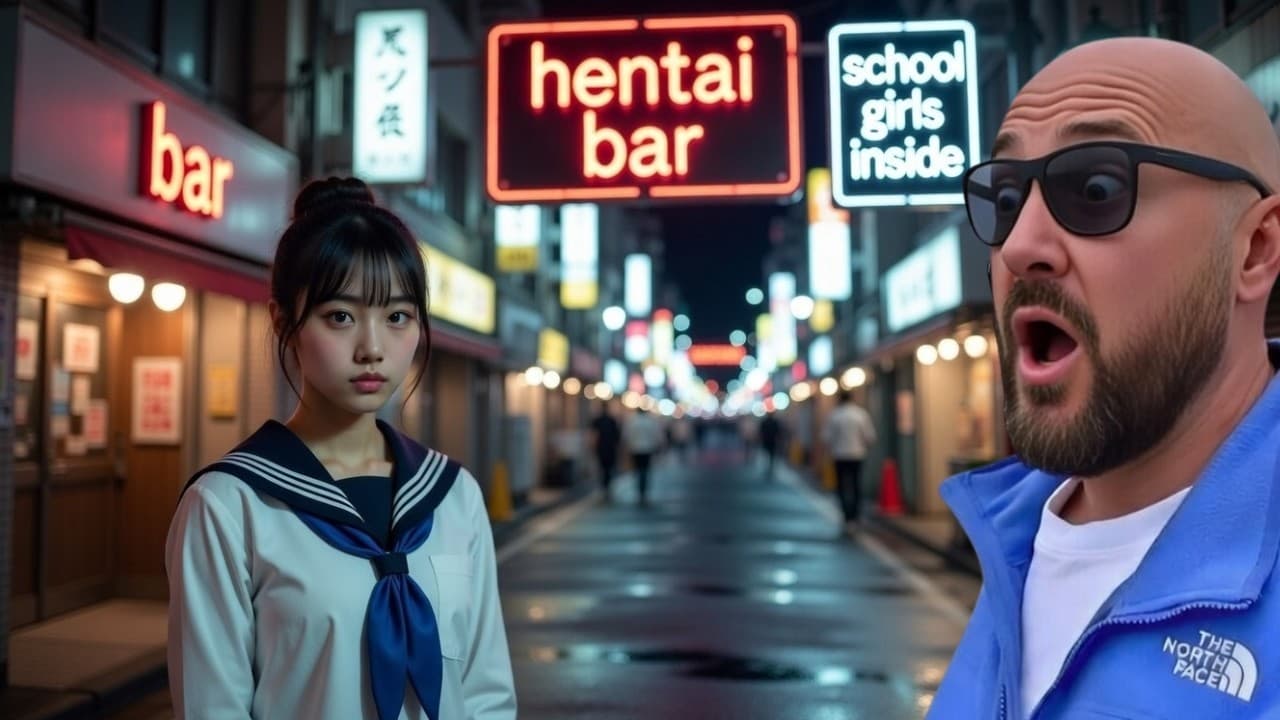
This is where the video gets genuinely uncomfortable, and to its credit, it doesn't fully look away. The host visits a bar where female staff dress in school uniforms — a 'schoolgirl concept' that is, by Japanese cultural standards, not particularly underground. The word 'hentai,' meaning perversion, gets used openly and almost cheerfully by locals, which is the kind of cultural gap that's hard to bridge with a shrug.
The honest framing here is that Japan has normalized certain aesthetics around youth and femininity in ways that would generate serious public backlash in most Western countries. The bar isn't illegal. The staff are adults. But the concept is built on an image that deliberately evokes adolescence, and the video acknowledges the awkwardness without fully interrogating it. That's probably the right call for a travel video — it's not a documentary — but it leaves the viewer doing the heavier thinking themselves.
Nishinari: The Part of Osaka That Doesn't Want to Be Filmed
Every major Japanese city has a district that breaks the 'safest country in the world' narrative, and in Osaka, that's Nishinari. The host and his companion walk through it at night, and the advice is consistent: be careful, don't film openly, and understand that the Yakuza presence here is not decorative. It's not a war zone — Japan's violent crime rates are genuinely low — but Nishinari operates on different social rules than the rest of the city, and ignoring that is the kind of mistake that tends to be memorable for the wrong reasons.
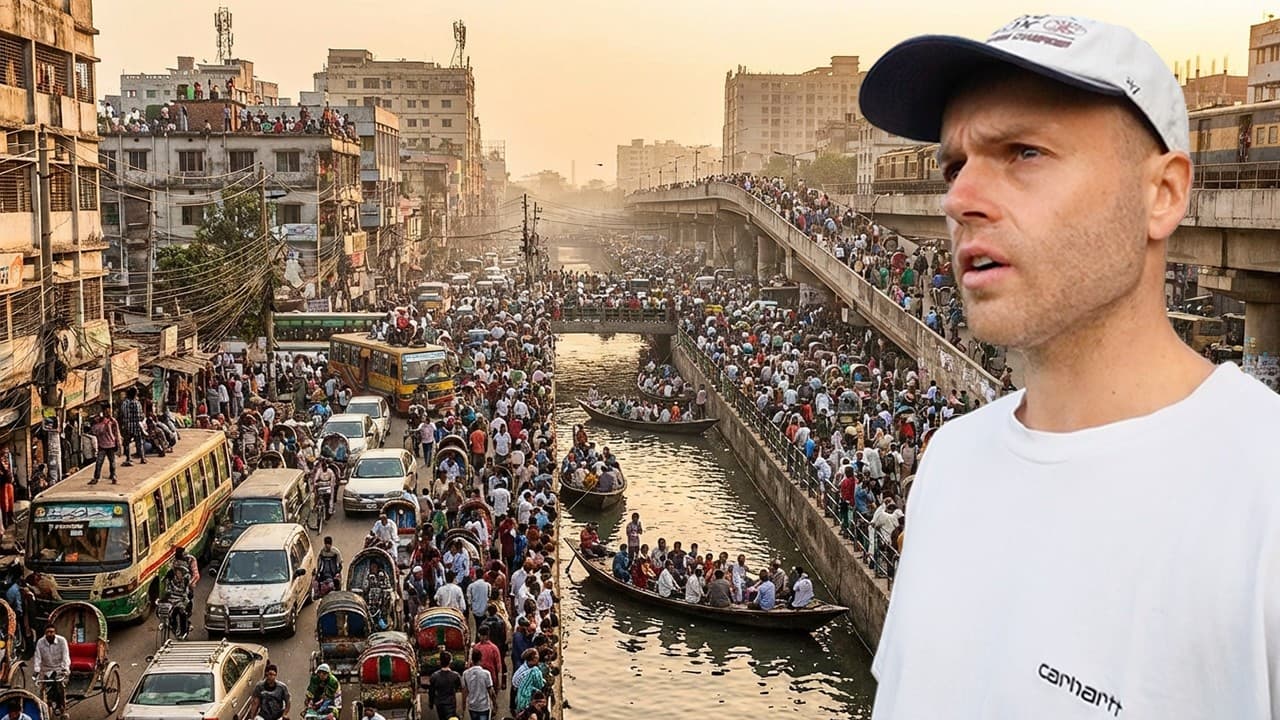
It's worth noting that 'roughest area in Japan' and 'roughest area in most other countries' are not remotely comparable categories. As a point of reference, the kind of urban risk calculus that applies in places like Mayotte or Dhaka simply doesn't translate to Nishinari. The danger is real but specific — mostly about who you are, what you're doing, and whether you're drawing attention to yourself in a place that prefers not to be watched.
Snake Alcohol and the Rest of the Menu
Habushu is an Okinawan spirit — rice-based liquor with a habu snake fermented inside the bottle. The snake is not a garnish. It is in there, whole, and has been for however long the bottle has been sitting. The host tries it and finds it surprisingly palatable, which either says something about Habushu or about what a night in Osaka does to your standards by the time you get to the snake drink. The broader point is that Japan's bar scene rewards people who say yes to things — the themed bars, the weird menus, the encounters with strangers who turn out to be from places you didn't expect. The night the video documents includes a conversation with people claiming to be North Korean, which is either completely ordinary in Osaka or the most interesting thing that happened all week, depending on your frame of reference.
The video is at its most interesting when it's accidentally documenting something it didn't set out to investigate. The hostess bar segment is framed as a curiosity, but what it's actually describing is a formalized economy built around social isolation — and Japan's demographic and cultural conditions make that economy almost inevitable. The schoolgirl bar gets treated with similar lightness, but the discomfort the host visibly feels is doing more analytical work than anything he says out loud.
What the video doesn't touch is the labor side of any of this — who works in these bars, under what conditions, and what the power dynamics actually look like from the other side of the transaction. Nishinari gets a walk-through; the women in the hostess bars get a concept explanation. That asymmetry is noticeable.
Frequently Asked Questions
Is Osaka known for its nightlife?
Is there a red light district in Osaka?
Is Osaka friendly to Americans?
How do hostess bars in Japan actually work?
What is Habushu, the snake alcohol served in Japanese nightlife?
Based on viewer questions and search trends. These answers reflect our editorial analysis. We may be wrong.
Source: Based on a video by Bald and Bankrupt — Watch original video
This article was created by NoTime2Watch's editorial team using AI-assisted research. All content includes substantial original analysis and is reviewed for accuracy before publication.