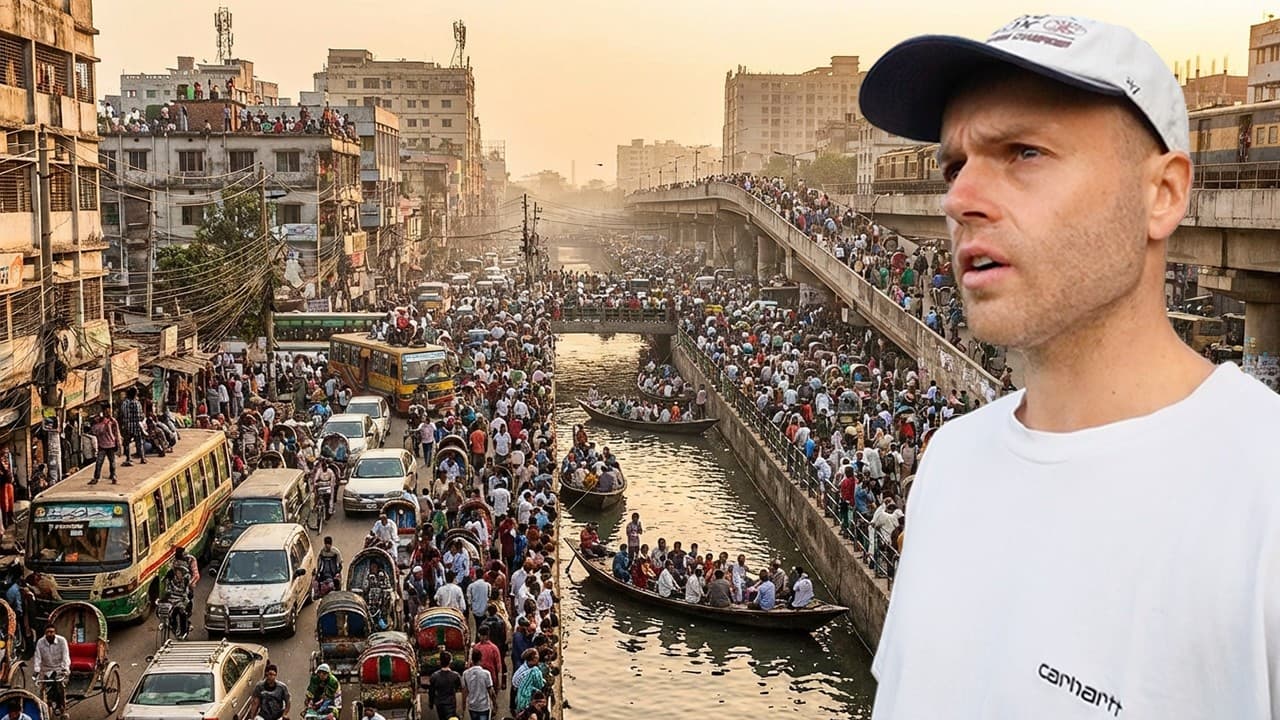
Dharavi Slum Recycling Economy: India's Hidden System
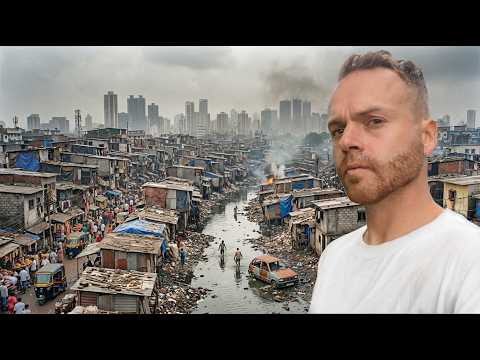
Key Takeaways
- •Dharavi's informal recycling economy processes plastic, electronics, and even used hotel soap at scale, providing livelihoods for thousands of workers without any formal infrastructure or government coordination.
- •Dhobi Ghat, operating since 1890, is the world's largest open-air laundry and handles commercial laundry for hospitals, hotels, and individuals across Mumbai as part of Dharavi's wider informal economy.
- •Migrants from across India fill Dharavi's workforce, slotting into a self-sufficient ecosystem of specialized trades that includes plastic chipping, electronics disassembly, tailoring, and artisanal craft work.
A Recycling Economy That Runs Without a Rulebook
Dharavi does not have a recycling program. It is a recycling program. Inside Mumbai's largest slum, waste that would end up in landfill almost anywhere else gets pulled apart, sorted, melted down, and sold back into the supply chain. Plastic is chipped and separated by color. Electronics are stripped to their base components. Used soap bars collected from hotels across the city get remelted and pressed into new blocks. The whole system runs on proximity, habit, and economic necessity rather than any coordinating authority, which is either a damning indictment of formal waste infrastructure or proof that incentive structures do the job better than policy ever could.
How Plastic Actually Gets Processed Here
The plastic recycling operation Indigo Traveller walks through in India's Infamous Neighborhood: Pure Chaos 24/7 is loud and relentless. Workers sort incoming plastic by color before it goes into chipping machines, then into melting facilities, without hearing protection and in close quarters. The sorted colors matter because recycled plastic fetches different prices depending on what it can be reused for, so the sorting is not casual, it is quality control. Every worker in that room is making a judgment call that determines the value of what comes out the other end. It is skilled labor that does not get called skilled labor.
Electronics Stripped Down to Nothing Wasted
The electronics recycling side of Dharavi's economy handles the kind of hardware that wealthy countries struggle to process responsibly. Modems, circuit boards, and assorted consumer electronics get disassembled by hand, with usable components separated out for resale and raw materials recovered from what is left. There is no smelting plant or formal e-waste facility involved, just workers who have learned through repetition exactly which parts have value and where those parts go next. The global e-waste problem is enormous and largely unsolved at the official level, so watching an informal neighborhood absorb part of that stream is genuinely strange to sit with.
The World's Oldest Outdoor Laundry Is Still Running Shifts
Dhobi Ghat has been operating since 1890, which means it predates most of the formal institutions that were supposed to make it obsolete. The open-air laundry processes clothes for hospitals, hotels, and private clients across Mumbai at a scale that is difficult to picture until you see the rows of washing stones and the volume of sorted fabric moving through them. It functions as both a historic artifact and a genuinely active piece of the city's commercial infrastructure. The fact that Mumbai's healthcare and hospitality sectors are still routing their laundry through a 130-year-old open-air operation says something about what efficiency actually looks like when you strip away the overhead.
Trades That Do Not Fit a Single Category
Beyond plastic and electronics, Dharavi's economy branches into trades that are harder to classify. Indigo Traveller finds a blade sharpening shop, car parts recyclers, rows of tailor operations, and a business that produces embellished clothing using recycled plastic formed into decorative pieces that look like gemstones. That last one is the kind of enterprise that would get pitched as sustainable fashion innovation if it came out of a design studio in London. Here it is just a practical answer to the question of what you do with plastic that cannot be chipped and melted.
Why This System Works at All
The honest answer is density and specialization. Dharavi's population draws migrants from across India who arrive with specific skills or pick them up fast because the community around them already has the supply chains, the buyers, and the institutional knowledge built in. A tailor knows where to source fabric scraps. A recycler knows which brokers buy which grades of processed plastic. That accumulated knowledge is not written down anywhere, it is held by the people, which makes the whole system simultaneously impressive and precarious. The informal economy of Dharavi works because everyone in it knows their role, and the people who would replace them are already there learning it.
Our Analysis: Indigo Traveller resists the poverty tourism trap better than most. He doesn't linger on suffering for views. He actually talks to people, eats the food, and lets Dharavi speak for itself. That matters.
What the video skims past is the tension underneath the hospitality. Dharavi sits on some of the most valuable land in Asia. The recycling economy, the community, the resilience everyone admires? It's all one government redevelopment contract away from being bulldozed into condos. That story is bigger than anything shown on camera.
Worth the trip? Absolutely. But go as a guest, not a spectator.
Frequently Asked Questions
What is the recycling industry in Dharavi?
What is the economy of Dharavi slum?
How does Dharavi's informal recycling system actually stay organized without any central authority?
Why is recycling so important in Dharavi specifically?
Does Dharavi's recycling model represent a real alternative to formal waste management, or is it just making the best of bad conditions?
Based on viewer questions and search trends. These answers reflect our editorial analysis. We may be wrong.
Source: Based on a video by Indigo Traveller — Watch original video
This article was created by NoTime2Watch's editorial team using AI-assisted research. All content includes substantial original analysis and is reviewed for accuracy before publication.