AIPAC lobbying influence US Congress: Kiriakou's view
Key Takeaways
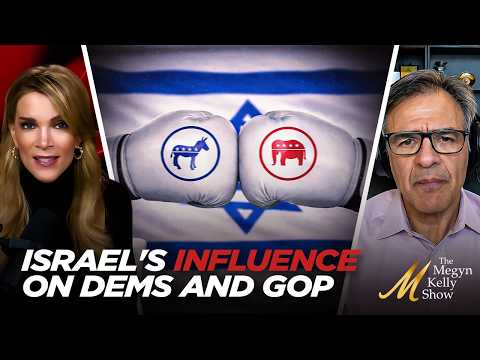
- •On Megyn Kelly's channel, former CIA officer John Kiriakou breaks down how AIPAC maintains an iron grip on US congressional behavior — through all-expenses-paid trips, constant office presence, and the very credible threat of a primary challenge funded by pro-Israel money.
- •Kiriakou speaks from experience: he worked in the Senate and watched the machine operate up close.
- •The picture he paints isn't of corruption exactly, but of a system so thoroughly normalized that politicians across both parties have simply stopped asking whether it should work this way.
The Trip You're Not Supposed to Call a Lobbying Trip
When John Kiriakou started his role in the Senate, an AIPAC representative showed up and offered him a trip to Israel. It wasn't pitched as a lobbying junket. It was pitched as a 'Holy Land' visit — spiritual, cultural, educational. Kiriakou turned it down. Most staffers, he says, did not.
That framing is doing a lot of work. An all-expenses-paid trip to a foreign country, organized by an advocacy group with a specific legislative agenda, doesn't become neutral because you call it a pilgrimage. But the rebranding apparently works well enough that it's been standard practice for decades, extended to both congressional members and their staff — the people who actually draft legislation and brief the people who vote on it. Related: Blake Neff Cancel Culture Controversy: Tucker Carlson Writer
The fact that this is considered unremarkable is the most remarkable part.
Why the Threat of a Primary Is More Powerful Than Any Donation
AIPAC's influence over campaign funding is well documented, but Kiriakou zeroes in on something subtler and arguably more effective: the credible threat of a primary challenge. AIPAC doesn't need to explicitly warn a senator or representative. The message is already baked into the environment. Step out of line on Israel, and a well-funded opponent appears in your next primary. No phone call required. Related: Pam Bondi Fired Attorney General: Epstein Testimony Link?
This dynamic explains something that confuses a lot of casual political observers — why politicians who represent constituencies with growing skepticism toward US-Israel policy continue to vote and speak as if those constituents don't exist. It's not that they're unaware of public opinion. It's that the cost of acting on it feels more immediate and personal than the cost of ignoring it.
This interview originally aired on Megyn Kelly's YouTube channel. Watch the full conversation — How Israel Tries to Recruit CIA Operatives and Its Influence with Dems and GOP, with John Kiriakou — for Kiriakou's complete account, including his time at the CIA and how recruitment pressure from foreign intelligence services actually operates.
Our Analysis: What makes Kiriakou's account useful isn't that it reveals something hidden — it's that it names something visible. The mechanisms he describes (sponsored travel, constant staffing presence, primary threats) are not secrets. They're features of the lobbying landscape that anyone paying attention can observe. What he adds is the texture of lived experience: what it actually feels like to be on the receiving end of this system when you're a junior Senate staffer with no political capital to spend on principle.
That distinction matters. A lot of reporting on lobbying influence focuses on money flows — donor lists, PAC contributions, campaign finance disclosures. That data is real and important, but it can flatten the picture. What Kiriakou describes is more atmospheric. It's not that a check arrives with conditions attached. It's that the conditions are already understood before anyone writes a check. The normalization is the mechanism. By the time a politician is in a position to vote on anything related to Israel, the acceptable range of positions has already been defined by an environment they've been swimming in for years.
The primary threat dynamic he identifies deserves particular attention. In a polarized political environment where general elections are increasingly uncompetitive in safe districts, the primary is often the only election that actually matters. A credible primary threat — even one that never materializes — functions as a permanent behavioral constraint. Politicians don't need to be told explicitly what will happen if they step out of line. They've watched it happen to colleagues. The lesson gets learned without anyone having to teach it directly.
It's also worth noting what Kiriakou is not saying. He's not alleging that American politicians are acting against the national interest under duress. His point is more unsettling than that: many of them genuinely don't experience what they're doing as coerced. The system has been in place long enough, and the Overton window on US-Israel policy has been narrow enough for long enough, that compliance doesn't feel like compliance. It feels like normalcy. That's a harder problem to fix than outright corruption, because it doesn't require anyone to be consciously doing something wrong.
Whether you think AIPAC's influence is legitimate hardball politics or a distortion of democratic representation probably depends on priors you brought to this article. But the structural argument — that any single interest group capable of reliably threatening primary challenges has leverage that exceeds what most Americans would consider appropriate — is one that holds regardless of which group you're talking about. Kiriakou's account is specifically about AIPAC, but the template he describes is one that any sufficiently organized and funded advocacy group could theoretically replicate. The question of whether it should be possible is one that neither party has shown much appetite for answering.
Frequently Asked Questions
How does AIPAC lobbying influence US Congress members from both parties?
Why do politicians keep voting pro-Israel even when their constituents are skeptical?
Are congressional trips funded by pro-Israel lobbying groups legal?
Does AIPAC directly threaten politicians, or is the pressure more indirect?
How do foreign lobbying groups shape US foreign policy differently from domestic ones?
Based on viewer questions and search trends. These answers reflect our editorial analysis. We may be wrong.
Source: Based on a video by Megyn Kelly — Watch original video
This article was created by NoTime2Watch's editorial team using AI-assisted research. All content includes substantial original analysis and is reviewed for accuracy before publication.