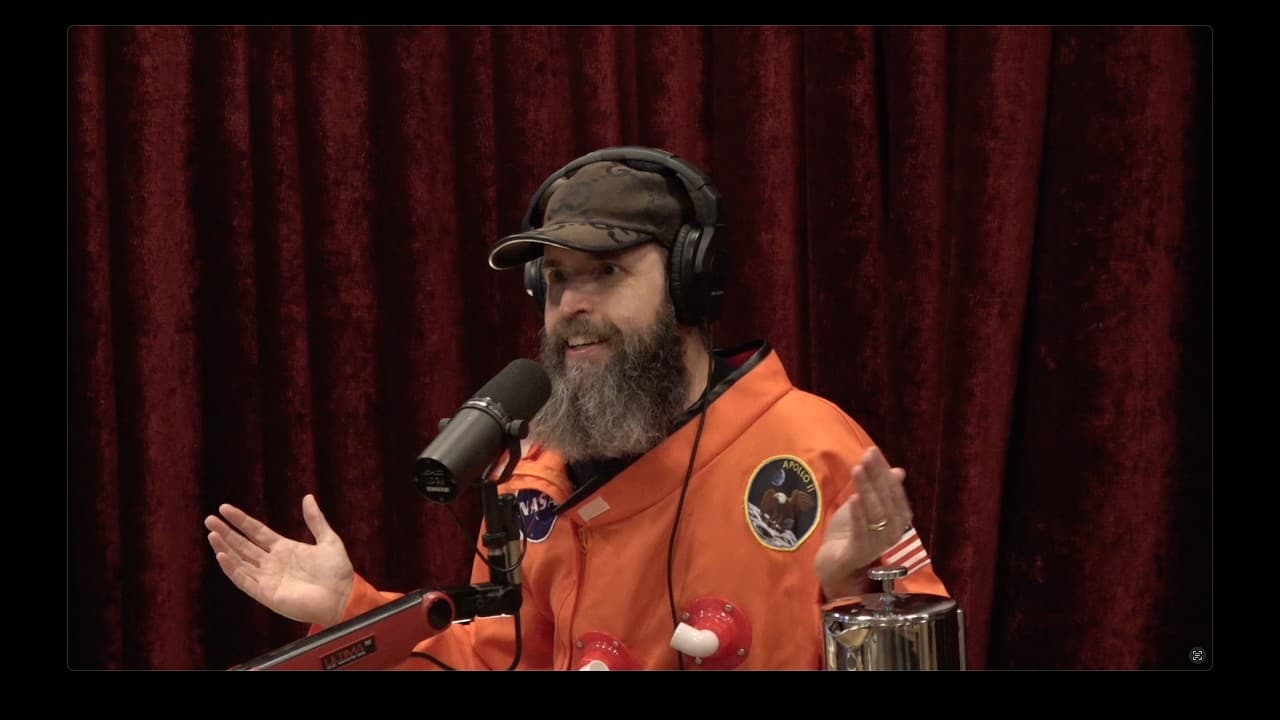
Yes Theory: Israel Palestine conflict human connection

Key Takeaways
- •Yes Theory's '24 Hours in 2 Countries that Hate Each Other' sends its hosts across the Israeli-Palestinian divide to do something cable news rarely bothers with: talk to ordinary people.
- •Moving between Israel and Palestine — checkpoints, shared meals, and all — the team finds that the human connection most people assume is impossible is actually hiding in plain sight.
- •Palestinians in the West Bank express exhaustion and a desire for normal lives.
How Media Misrepresents the Israel-Palestine Conflict
The Israel Palestine conflict human connection that gets buried under geopolitical coverage is exactly what Yes Theory set out to excavate in 24 Hours in 2 Countries that Hate Each Other — and the gap between media framing and lived reality turns out to be enormous.
Broadcast news runs on conflict. That's not a conspiracy, it's just the economics of attention. But when every segment about Israel and Palestine leads with rockets and body counts, the actual human texture of both societies quietly disappears.
Breaking Down Prejudice Through Direct Human Connection
The hosts don't arrive with a policy position. They show up in East Jerusalem, cross into Palestinian territories, and start talking to whoever will talk back — taxi drivers, shopkeepers, people eating lunch.
What they find isn't neutrality exactly, but it is humanity. People on both sides carry opinions shaped by fear, history, and circumstance — not cartoon hatred.
Personal Stories That Challenge Conflict Narratives
Palestinians interviewed describe a deep emotional attachment to their land alongside a genuine exhaustion with the conflict — not rage, exhaustion. Israelis, including military-age young people, frame their reality around security concerns while still expressing hope that things could be different.
None of this makes the political situation simpler. It does make the people in it harder to dismiss, which is probably the point.
Shared Meals and Dialogue: Finding Common Ground
The most disarming moments in the video aren't interviews — they're meals. Sitting down to eat with someone from the other side of a geopolitical divide has a way of collapsing abstractions. You can't easily reduce a person to a headline when you're sharing bread with them. Yes Theory understands this instinctively, and it's what separates this video from a standard man-on-the-street segment.
Our Analysis: Yes Theory gets the core right — one genuine conversation does more than a thousand news segments. 24 Hours in 2 Countries that Hate Each Other earns its optimism because it doesn't pretend the conflict isn't real; it just proves the people inside it are more complicated than the headlines allow.
This fits a broader shift toward "immersion journalism lite" — creators going where legacy outlets won't, trading objectivity theater for honest subjectivity.
The risk going forward: this format gets copied until it's just disaster tourism with good vibes. The original works because the discomfort is real. Most imitators will sand that part off.
There's also a structural question worth sitting with: what does it mean that a YouTube channel with a travel-and-friendship brand is doing the human-interest reporting that major news organizations used to consider core to their mission? It's not that legacy outlets can't do this work — it's that the incentive architecture actively discourages it. Conflict drives clicks. Nuance doesn't trend. Yes Theory operates outside that pressure, which is precisely why they can afford to come back with something quieter and more honest than what primetime would allow.
What the video doesn't resolve — and wisely doesn't try to — is the political dimension. Humanizing people on both sides of a conflict isn't the same as charting a path to resolution. Critics of this format sometimes argue that feel-good connection content can actually obscure structural and political realities by implying that goodwill alone bridges what are fundamentally political problems. That critique has merit. But it also assumes the only alternative is hardline analysis, when in practice most audiences aren't getting either — they're getting nothing but escalation framing. Against that baseline, showing that ordinary people are more than their conflict is genuinely useful work.
The video also implicitly challenges the idea that access is the barrier. Yes Theory got in, talked to people, and came out with something real. The barrier isn't geography or danger — it's editorial will. That's a quiet indictment of an entire industry, delivered without a single talking head saying so.
Frequently Asked Questions
Can Israel Palestine conflict human connection actually change anything politically, or is it just feel-good content?
What do ordinary Palestinians in the West Bank actually want, according to people who've spoken to them directly?
How do young Israelis actually feel about peace with Palestinians?
Why does media coverage of the Israeli-Palestinian conflict so rarely show ordinary people's perspectives?
Does sharing a meal or having dialogue actually help bridge divides in conflict zones, or is that naive?
Based on viewer questions and search trends. These answers reflect our editorial analysis. We may be wrong.
Source: Based on a video by Yes Theory — Watch original video
This article was created by NoTime2Watch's editorial team using AI-assisted research. All content includes substantial original analysis and is reviewed for accuracy before publication.
Related Articles


You Might Also Like
Apr 17
World News | US Retreat: The global power vacuum geopolitical risks you need to know
Apr 13
Politics | Iran US Military Conflict Escalation: Bombing Backfires
Apr 10
World News | Dubai Economy Vulnerability: Geopolitical Attacks & Stability
Apr 9
Life Stories | Joe Rogan: AI Censorship & Thought Control Algorithms