Afroman Police Raid Free Speech Lawsuit Interview
Key Takeaways
- •Afroman won a defamation lawsuit brought by police officers after he named them in diss tracks responding to a raid on his home — a First Amendment victory for artists criticizing law enforcement.
- •The search warrant was allegedly based on a story involving a 'dungeon' and kidnapping victims — a claim Afroman says was invented by officers who already had it out for him.
- •Officers Brian Nulan and Randy Walters allegedly vandalized his property during the raid, found no evidence of wrongdoing, and then sued him for talking about it publicly.
The Police Raid That Started It All
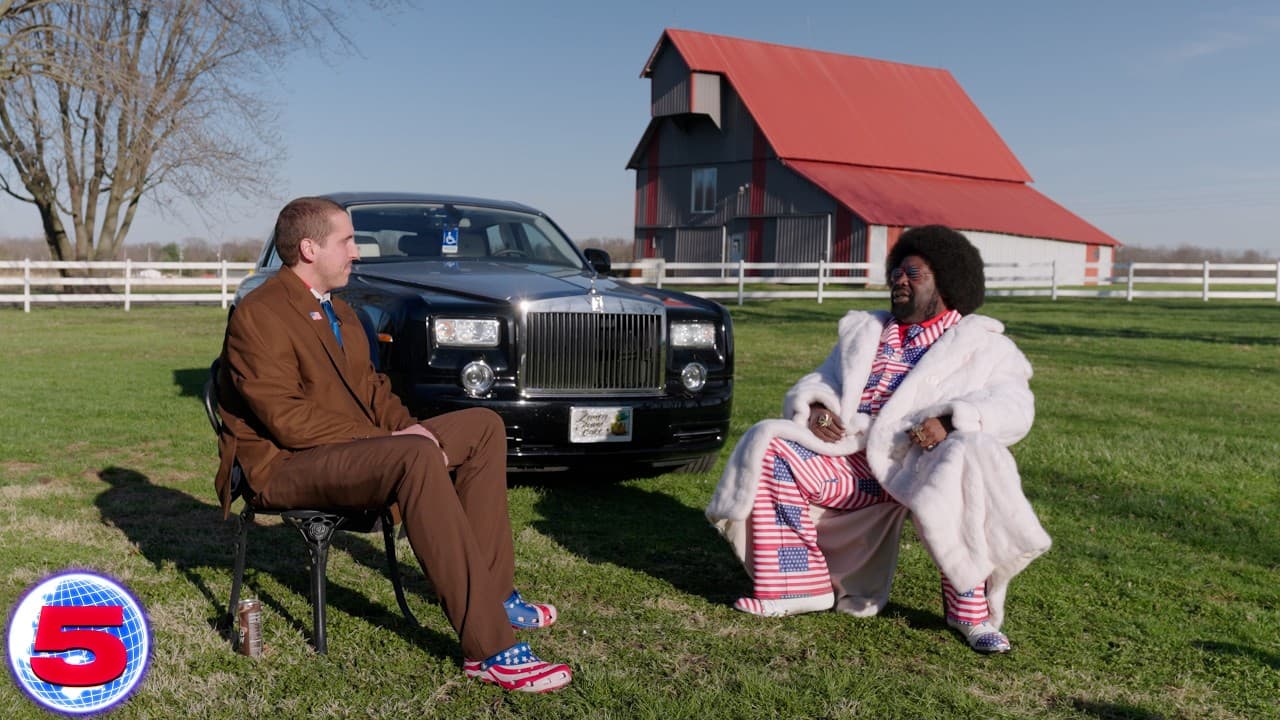
According to Afroman's account in a recent Afroman Interview with Channel 5 News, the raid on his home wasn't the result of a careful investigation — it was built on a story he describes as completely fabricated. The warrant, he says, referenced a 'dungeon' and alleged kidnapping victims. No dungeon. No victims. No evidence of any wrongdoing found on the premises.
The 'Dungeon' Story
Afroman believes the warrant wasn't just sloppy police work — it was personal. He argues that local law enforcement already had animosity toward him before the raid, and that the kidnapping narrative was the cover story they needed to get inside his home. Officers Brian Nulan and Randy Walters were specifically involved, and according to Afroman, they didn't just search the place — they allegedly vandalized it in the process. Getting a warrant approved on the basis of a dungeon story that turned out to be completely baseless is either catastrophically bad detective work or something worse.
Afroman's Diss Tracks and Free Speech Rights
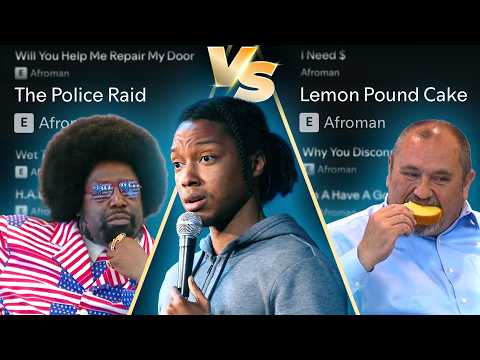
Afroman's response was exactly what you'd expect from a rapper: he made songs about it. He named the officers directly, detailed what he says happened during the raid, and released the music publicly. This is where the legal battle shifted from a property dispute into a First Amendment case. The officers didn't just complain — they sued him for defamation.
Naming Officers in Music: Legal Boundaries
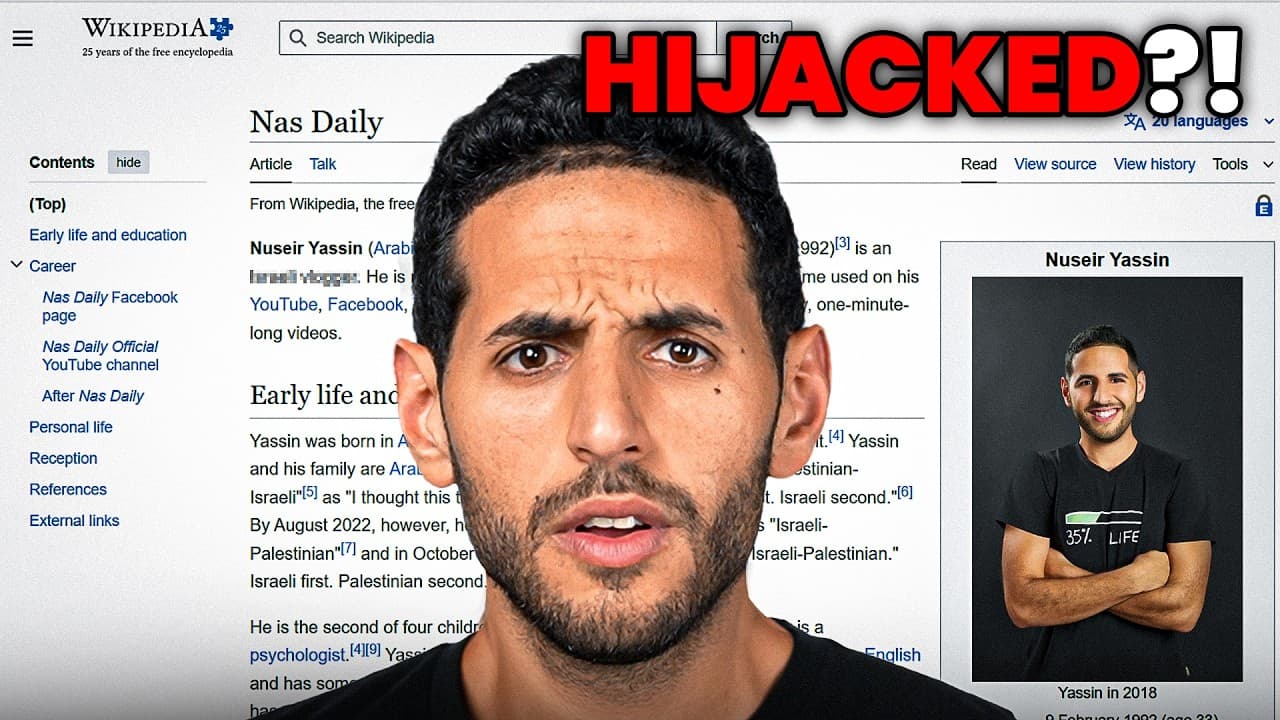
The core legal question was whether an artist can name real public officials — specifically law enforcement — in critical music without it crossing into defamation. Afroman's case ultimately affirmed that yes, you can, provided the content reflects your genuine account of events rather than fabricated falsehoods presented as fact. His victory set a meaningful precedent for artists who use music as a form of protest or accountability. It's a similar dynamic to what we've seen play out in media disputes more broadly — as explored in Nas Daily's battle over Wikipedia bias and manipulation, the line between criticism and defamation is rarely as clean as either side wants it to be.
The Defamation Lawsuit Explained
The officers' lawsuit argued that Afroman's songs damaged their reputations. His defense was straightforward: he was describing what he witnessed and experienced in his own home. The court sided with him, upholding his First Amendment rights. What makes the lawsuit particularly striking is that it was filed by the people who initiated the raid — the ones who showed up with a warrant based on a story about a dungeon — against the man whose house they searched and allegedly trashed.
Police Misconduct vs. Artistic Expression
Afroman also pointed out what he sees as a glaring double standard: law enforcement has historically protected the free speech rights of certain groups while attempting to silence others. His case, he argues, exposed that inconsistency in a very public way. He also noted that the officers could have handled the 'pound cake' incident — a reference to one of his songs about the raid — with humor, potentially even commercializing it the way he turned his own mocking nickname into a career. They chose litigation instead, which, given how it ended, was not their best call.
What the Case Means for Freedom of Speech
The ruling in Afroman's favor isn't just a win for one rapper in Ohio. It reinforces the principle that private citizens — including artists — have the right to publicly criticize law enforcement using creative expression, even when that criticism is pointed, personal, and names specific individuals. The accountability angle here matters: if officers can raid a home, find nothing, allegedly cause damage, and then sue the homeowner for talking about it, the chilling effect on public criticism of police would be enormous.
Accountability and the Right to Criticize Authority
Afroman frames his victory not as a personal triumph but as a structural one — proof that the legal system can, at least sometimes, protect the speech of people pushing back against institutional power. Whether that protection is consistently applied is a different question entirely. The pattern of public figures using legal threats to suppress criticism isn't unique to this case — it's something that surfaces repeatedly, from the Scientology-linked legal pressure documented in the Braille Skateboarding scandal to broader media suppression tactics. Afroman's case stands out because he didn't back down, and the court backed him up.
The officers who filed this lawsuit handed Afroman a second news cycle on a silver platter. He made songs about a raid that found nothing — which is already a story. Then the named officers sued him for it, transforming a local incident into a nationally covered First Amendment case. If they'd ignored the music, most people outside Ohio would never have heard about the raid at all. Instead, they litigated it into a precedent.
What's also worth sitting with: the warrant. A judge signed off on a search based on a dungeon story that turned out to have zero basis in reality. Afroman won his case, but nobody in that warrant approval chain faced any visible consequence for it. The free speech ruling is real. The accountability for the raid itself is much harder to find.
Frequently Asked Questions
How did Afroman's police raid free speech lawsuit actually play out in court?
Can you legally name police officers in a rap song without getting sued for defamation?
What was the search warrant in Afroman's raid actually based on?
What is the 'pound cake incident' Afroman references in his songs?
What does Afroman's defamation lawsuit win mean for artists who criticize police misconduct?
Based on viewer questions and search trends. These answers reflect our editorial analysis. We may be wrong.
Source: Based on a video by Channel 5 News — Watch original video
This article was created by NoTime2Watch's editorial team using AI-assisted research. All content includes substantial original analysis and is reviewed for accuracy before publication.