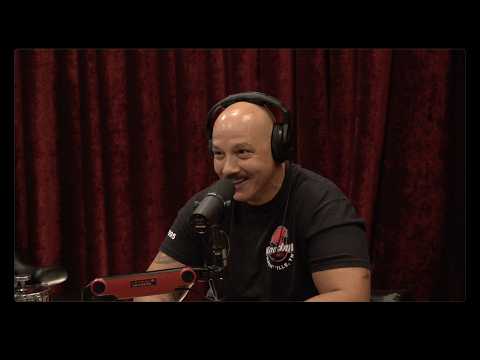
Jeff Ross on Colon Cancer & Diet on Joe Rogan Podcast
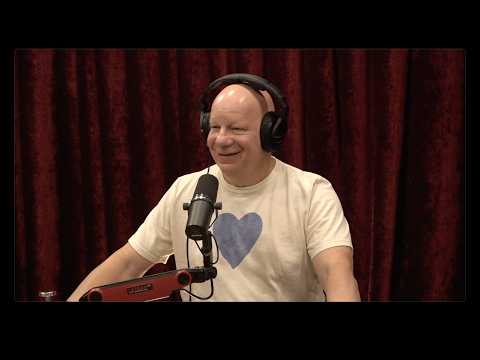
Key Takeaways
- •Jeff Ross opened up about his colon cancer diagnosis on PowerfulJRE episode #2472, 'Joe Rogan Experience #2472 - Jeff Ross,' turning a casual chat with Joe Rogan into a surprisingly urgent conversation about colon cancer early detection diet and why most people wait too long to get screened.
- •Ross, who caught his cancer early enough to act on it, credited the colonoscopy with saving his life and spent a good chunk of the episode breaking down how his eating habits — red meat, processed food, the usual suspects — likely contributed to the diagnosis.
- •It's the kind of health talk that actually sticks because it's coming from a comedian, not a pamphlet.
Jeff Ross on Surviving Colon Cancer: Why Early Detection Matters
Jeff Ross didn't come on PowerfulJRE to give a health lecture, but that's essentially what happened. He walked Rogan through his cancer diagnosis with the same bluntness he brings to a roast — no sugarcoating, no inspirational arc, just here's what went wrong and here's what caught it in time. You can watch the full conversation in Joe Rogan Experience #2472 - Jeff Ross.
The short version: he got screened, they found something, and early detection made the difference between a treatable situation and a much worse one.
Red Meat and Processed Foods: What the Research Shows
Ross was direct about what he thinks contributed to his diagnosis — years of eating red meat and processed foods without much thought about the cumulative effect.
He and Rogan didn't dance around it. Diets heavy in processed ingredients are consistently "linked to higher colon cancer risk," and Ross treated his own diagnosis as Exhibit A.
Rogan pushed back on the broader food industry, pointing out how aggressively processed ingredients get normalized in everyday diets — a fair observation when the average grocery run involves more labels than actual food.
Why Preventive Colonoscopies Could Save Your Life
Ross was unambiguous: get the colonoscopy. He framed it less as medical advice and more as something he wishes someone had hammered into him earlier.
Colon cancer caught at an early stage has a survival rate well above 90 percent. Caught late, that number drops sharply. The screening itself isn't the problem — most people just keep putting it off.
The Gap Between Medical Education and Nutritional Guidance
Rogan made a point that landed: doctors receive remarkably little training in nutrition, which means most patients go through the system without ever being told that what they eat is directly tied to their cancer risk.
Ross nodded to this from personal experience — the dietary conversation didn't really happen until after the diagnosis, which is roughly the worst time to be having it for the first time.
Nutritional Changes After Cancer Diagnosis
Post-diagnosis, Ross overhauled his diet — less red meat, fewer processed foods, more whole ingredients. Not a dramatic reinvention, just a significant course correction.
He framed it practically, not evangelically. He's not preaching a lifestyle. He's just eating differently because the alternative already tried to kill him.
Creating a Colon-Healthy Lifestyle: Whole Foods vs. Processed Ingredients
The colon cancer early detection diet conversation on PowerfulJRE kept circling back to one basic idea: whole foods over processed ones, and regular screening before symptoms show up — because by the time symptoms show up, you've already lost the easy version of this fight.
Ross summed it up without much ceremony. Get screened. Watch what you eat. Those two things, done consistently, do most of the heavy lifting.
Our Analysis: Ross landing on Rogan after a cancer scare is good casting — he's got actual stakes, not just tour dates to plug. The colon cancer and diet conversation hits harder than most health segments because it's personal, not preachy.
The Netflix roast discussion points to something real: comedy is migrating toward platforms that won't yank the leash mid-punchline. That's a genuine structural shift, not a trend piece headline.
They gloss over the Kevin Spacey and Charlie Sheen territory too quickly — there's a messier, more interesting argument about cancel culture buried there that never gets dug up.
What's worth sitting with, though, is the format itself. A two-plus-hour conversation between a comedian and a podcaster shouldn't be one of the more effective public health messages circulating right now — but it is. Traditional health campaigns spend enormous resources trying to reach people who are already tuned out. Ross does it in passing, between jokes, because the credibility is earned rather than institutional. That's a real gap in how health information actually travels in 2024, and this episode is a decent case study in why personality-driven long-form reaches people that pamphlets and PSAs simply don't. The question nobody's asking loudly enough: if a colonoscopy conversation on a comedy podcast moves more people to get screened than a decade of awareness campaigns, what does that say about where the investment should actually be going?
Source: Based on a video by PowerfulJRE — Watch original video
This article was created by NoTime2Watch's editorial team using AI-assisted research. All content includes substantial original analysis and is reviewed for accuracy before publication.
Related Articles
You Might Also Like
May 1
Health | Joe Rogan & RZA: Unlocking Exercise Mental Health Anxiety Clarity
May 1
Entertainment | Joe Rogan: Comedy Scene Gatekeeping Australia vs America - The Shocking Truth
Apr 26
Life Stories | Why Do Ancient Flood Narratives Across Cultures Exist? Rogan Explores
Apr 24
Life Stories | Rogan & Gomez: content moderation YouTube pandemic lab leak