What to Plant in April Garden: Epic Guide 2024
Key Takeaways
- •Planting corn varieties with different days-to-maturity (like Buttergold, Honey and Cream, and Ambrosia) side by side prevents cross-pollination because their pollen windows don't overlap — a simple fix for a problem most backyard growers don't know they have.
- •Rat's Tail radish is a heat-tolerant alternative for warm climates where standard radishes bolt immediately — it's grown for its spicy edible seed pods, not its roots, and needs 8-12 inches of spacing for best pod production.
- •Kilamanjaro White marigolds aren't just decorative — they actively deter root-knot nematodes in the soil, making them a functional companion plant for strawberries, not just a pretty neighbor.
What to Plant in Your April Garden Depends on Where You Live
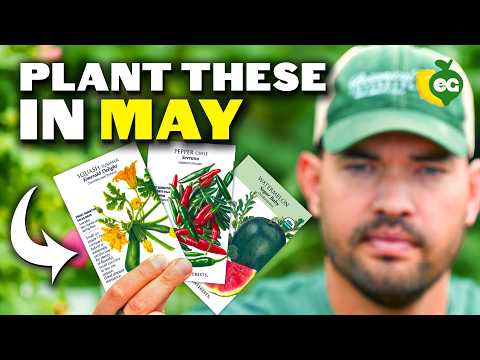
April is not a single climate. It's a snap pea morning in Minnesota and a sweat-through-your-shirt afternoon in central Florida, sometimes on the same calendar day. In 16 Crops You NEED To Start In April, Epic Gardening leans into that reality rather than ignoring it. Cool-season crops like snap peas can go in the ground 4-6 weeks before your last frost date once soil hits 40°F — they're built for this. Okra, on the other hand, wants soil temperatures between 65 and 95°F and full, unrelenting sun before it'll do anything useful. Knowing which side of that divide your April sits on is the whole game, and planting the wrong crop at the wrong time is exactly how gardens fail before summer even starts.
The Corn Timing Trick Most Gardeners Skip
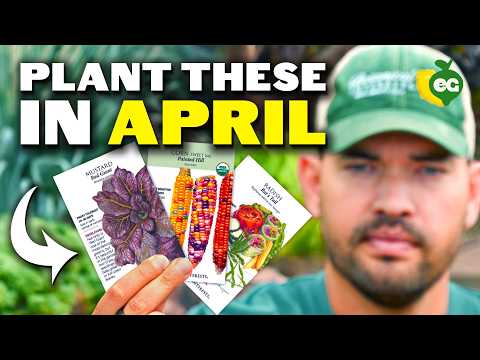
Corn is wind-pollinated, which sounds like a minor botanical footnote until you realize it means pollen from one variety can land on the silks of another variety growing ten feet away. The fix isn't complicated: plant varieties with different days-to-maturity so their pollination windows don't overlap. Buttergold, Honey and Cream, and Ambrosia are all recommended specifically because they mature at different rates. Grow them together, and each variety essentially pollinates itself in sequence rather than cross-contaminating the others. It's one of those solutions that sounds obvious once you hear it and completely invisible until you do.
Melons Want Space, Cucumbers Want Height
Two very different crops, two very different space strategies. For melons, Epic Gardening highlights Hail's Best for drought resilience in unexpectedly hot springs, and Minnesota for its 60-70 day maturity and compact growth habit that works in raised beds and shorter seasons. Both are better direct-seeded than transplanted. Cucumbers go the opposite direction, literally: vertical growing on a trellis is the recommended approach, using varieties like Muncher (a snackable Persian type) and Marketmore (classic salad cucumber). If you do need to transplant cucumbers, do it fast and handle the root ball as little as possible — root disturbance hits cucumbers harder than almost anything else in the garden. If you're still deciding how to set up your growing space, the cost difference between raised bed options is worth understanding before you commit.
The April Flowers That Actually Pull Their Weight
Larkspurs are cool-season flowers that grow to about three feet, make excellent cut flowers, and will be completely dead once summer heat arrives. That's not a flaw, it's a feature — they bloom hard and fast, self-seed if you let them, and only ask to be thinned to about four inches apart for best height. In warm climates, fall planting often works better than spring. Zinnias and cosmos are the other end of the spectrum: heat-tolerant, long-blooming, and almost offensively easy to grow. Sonora zinnias offer pink and peach double blooms, Thumbelina stays compact, and cosmos varieties like Apricotta and Bright Lights blend fill in the tall airy background that makes a cutting garden look like it has a design. Both attract pollinators without requiring much from the gardener in return, which is a reasonable trade.
Companion Planting That Actually Does Something
Marigolds get recommended as companion plants so often that the advice starts to blur into background noise. But Kilamanjaro White marigolds have a specific, documented function: they deter root-knot nematodes in the soil, which makes them genuinely useful planted near strawberries rather than just aesthetically pleasant. Signet marigolds, specifically Lemon Gem and Tangerine Gem, bring a citrusy scent that also deters animals, and their blossoms are edible. On the squash side, companion planting onions near Triumph summer squash is explored as a potential deterrent for squash vine borer moths — with the caveat that soil pH and spacing need adjustment to accommodate both plants' different watering requirements. Companion planting works best when it's solving a specific problem, not just filling space, and the specificity here is what separates it from generic garden advice.
The Unusual Crops Worth Knowing About
Three plants in this guide fall into the category of crops most gardeners have never tried and probably should. Rat's Tail radish is grown entirely for its spicy edible seed pods, thrives in heat that would bolt a standard radish in a week, and needs 8-12 inches of spacing for good pod production. Butterfly pea is a vining legume from Southeast Asia that tolerates heat and humidity, fixes nitrogen in the soil, produces blue flowers used for color-changing tea, and becomes drought-tolerant once established — it's essentially a low-maintenance worker plant that also looks beautiful on an archway. Red Giant Mustard has striking red-purple leaves, a peppery flavor, and can be succession-sown through summer for continuous harvests into fall. For anyone looking to build out a full harvest season from April plantings, these three offer a completely different kind of return than the standard vegetable list. Red Giant Mustard being discovered in Florida is one of those details that makes you wonder what else is growing somewhere that nobody's thought to recommend yet.
Our Analysis: Kevin does a solid job covering breadth here, but the video leans heavily on the "just plant this" angle without enough attention to timing failures. April is a transition month and planting day matters more than planting month.
The companion planting advice around marigolds and strawberries is genuinely useful and underused in mainstream gardening content. That section deserved more runtime than the melon variety rundown.
Missing entirely is any mention of soil temperature verification. Cool-season and heat-loving crops get listed back to back with no clear signal to the viewer that soil thermometers exist and cost four dollars.
Frequently Asked Questions
What can you plant in a garden in April?
Is mid-April too late to plant a garden?
Do marigolds actually deter pests, or is that just gardening folklore?
Why do you plant different corn varieties together instead of just one?
Based on viewer questions and search trends. These answers reflect our editorial analysis. We may be wrong.
Source: Based on a video by Epic Gardening — Watch original video
This article was created by NoTime2Watch's editorial team using AI-assisted research. All content includes substantial original analysis and is reviewed for accuracy before publication.