Why Gardens Fail & How to Restart a Neglected Garden
Key Takeaways
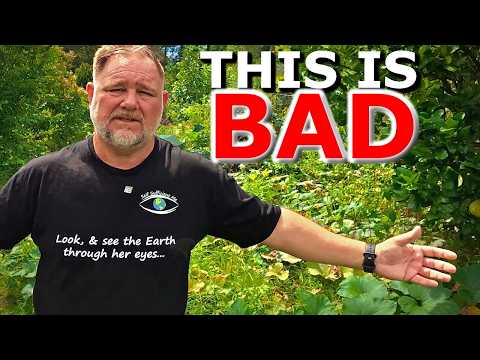
- •Self Sufficient Me's video 'My Garden Has Never Been This BAD...' opens with a frank admission: even experienced gardeners let things go.
- •The channel's host walks through his own severely neglected garden, explains why life consistently wins the battle against garden maintenance, and makes the case that the cure is simpler than most overwhelmed gardeners expect.
- •The video covers which plants survive benign neglect, why perfectionism kills more gardens than weeds do, and how to rebuild momentum by starting with a task small enough that refusing to do it would be embarrassing.
Why Gardens Fall Apart (And Why That Makes You Normal)
In My Garden Has Never Been This BAD..., Self Sufficient Me opens not with gardening tips but with a confession: his garden is in the worst shape it has ever been. Work, travel, the general chaos of a full life — it all compounds, and the garden is always the thing that absorbs the hit. He's quick to point out that this isn't a personal failing. Every gardener he's spoken to shares some version of the same story — "the overgrown bed, the pot that became a weed hotel" — and recognising that pattern is itself useful. Knowing that doesn't fix the garden, but it does remove the shame spiral that stops people from even trying.
The Perfectionism Trap That Kills Gardens Before They Start
Here's the actual problem for most lapsed gardeners: they've decided, somewhere in the back of their heads, that if the garden can't be done properly, it shouldn't be done at all. Self Sufficient Me takes direct aim at this. A single pot of herbs counts. A small, slightly chaotic bed of vegetables counts. The bar for what qualifies as a legitimate garden is much lower than most people set it for themselves, and the insistence on meeting some imagined standard is what keeps the garden neglected for months longer than it needs to be. It's one of those ideas that sounds obvious once someone says it out loud, and yet somehow most of us needed to hear it anyway.
The Plants That Basically Refuse to Let You Fail
If you're returning to a garden after a long absence, plant selection matters more than technique. Self Sufficient Me singles out Mediterranean herbs — oregano and rosemary specifically — as plants that are genuinely difficult to kill. They want sun, reasonable drainage, and then largely to be left alone. Chili plants fall into the same category. On the vegetable side, sweet potatoes and pumpkins are highlighted as workhorses: they spread, they produce, and they often self-seed, meaning a single good season can quietly set up the next one. Cherry tomatoes get a mention too, along with established fruit trees, as plants that keep producing even when attention is inconsistent. If you want to grow something closer to a traditional tomato setup, the principles around resilient varieties are worth understanding — the guide on
Our Analysis: Mark hits the emotional reset button well here. The permission structure he builds around neglect is genuinely useful and not something most gardening channels bother with.
What's missing is the practical triage. Knowing it's okay to neglect your garden doesn't tell you what to actually save first when you come back to a mess. That gap between encouragement and actionable priority is where most people stall out again.
If you're time-poor, the forgiving plant list is the real takeaway. Start there before anything else he says.
There's also a broader point worth making that the video gestures at but doesn't fully land: the gardening content space is overwhelmingly optimised for people who are already succeeding. Tutorials assume consistent access, stable weather, and a gardener who shows up reliably. The reality for most people — especially those juggling work, family, and the general entropy of adult life — looks nothing like that. Content that starts from failure rather than aspiration is genuinely underrepresented, which is part of why this video resonates beyond its practical value. It's not just permission to have a bad garden; it's acknowledgement that the bad garden is the default, and working back from there is a more honest starting point than pretending everyone has the bandwidth for raised bed rotations and seasonal succession planting.
The plant list is also doing more structural work than it might appear. By anchoring resilience recommendations in plants that actively dislike fussing — Mediterranean herbs in particular — the video quietly reframes low-effort gardening as a legitimate methodology rather than a consolation prize. That reframe matters. It's the difference between a gardener who feels like they're failing at the "real" version and one who understands they've just found a more sustainable version of it.
Frequently Asked Questions
How to revive an abandoned garden without feeling overwhelmed?
What is the 70/30 rule in gardening?
What vegetables are easiest to grow if you can't give your garden much attention?
Is garden neglect actually normal, or does it mean you're doing something wrong?
How to restart a neglected garden when you don't know where to begin?
Based on viewer questions and search trends. These answers reflect our editorial analysis. We may be wrong.
Source: Based on a video by Self Sufficient Me — Watch original video
This article was created by NoTime2Watch's editorial team using AI-assisted research. All content includes substantial original analysis and is reviewed for accuracy before publication.