How to Harvest Garlic in July: Timing is Everything
Key Takeaways
- •Hardneck garlic is ready to harvest when the bottom leaves yellow and die back — waiting too long risks the bulb splitting and losing its protective wrapper.
- •The largest bulbs should be set aside immediately after harvest for replanting as individual cloves, not consumed — this is how you build a self-sustaining annual supply.
- •In Zone 5, late July is the natural harvest window for hardneck varieties like Music garlic, and even a slightly late dig can still yield usable bulbs if handled carefully.
When the Leaves Tell You It's Time
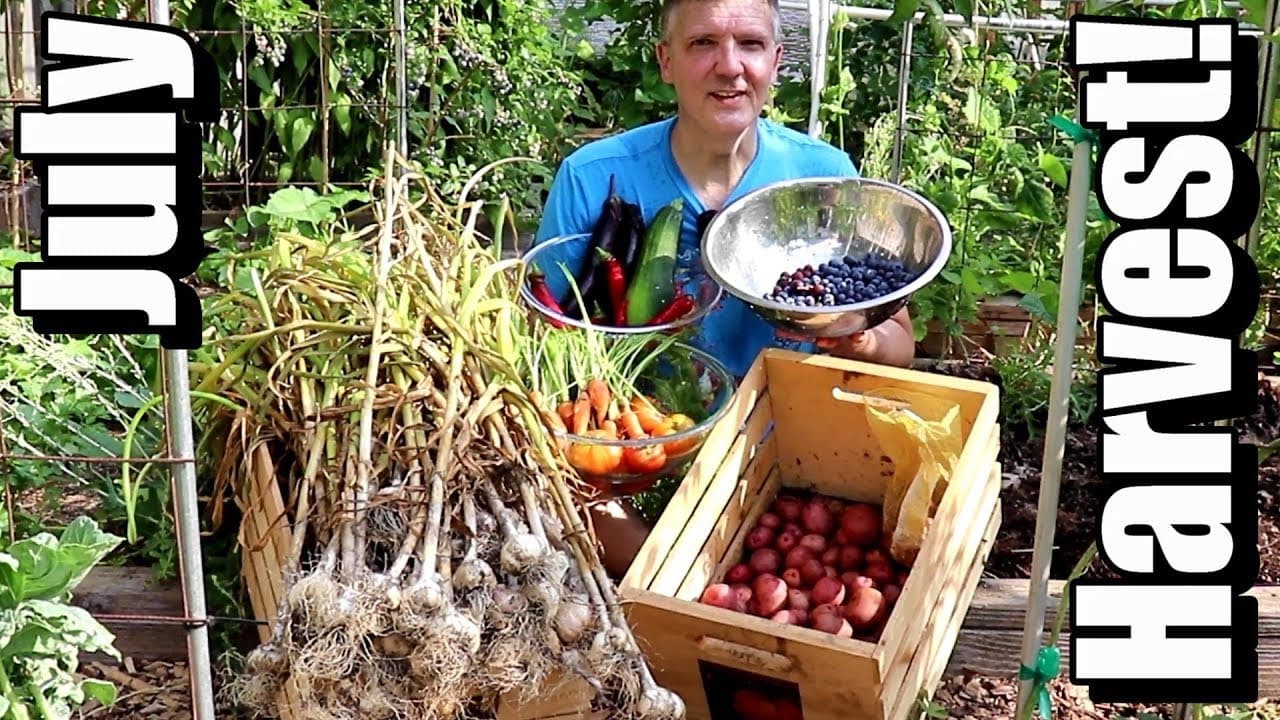
Garlic doesn't come with a harvest date stamped on it. What it comes with is a set of dying leaves, and those leaves are the whole clock. According to One Yard Revolution's July Vegetable Garden Harvest: Local Food at Its Best! (2019), hardneck garlic is ready when the bottom leaves have yellowed and are clearly dying off. Each leaf corresponds to a wrapper layer around the bulb — so the number of green leaves still standing tells you roughly how many protective layers remain. Too early, and the bulb is undersized. Too late, and the wrappers deteriorate, leaving the cloves exposed and vulnerable to rot during storage.
The gardener in the video acknowledges being slightly late to the dig that season, which is a more honest admission than most growing guides bother to make. Late is recoverable. Ignoring the signs entirely is not.
The Actual Harvest: Less Complicated Than It Sounds
The physical act of pulling hardneck garlic is straightforward, but there's one detail that trips people up: don't yank. Hardneck varieties have a stiff central stalk, and pulling hard risks snapping the stem clean off the bulb — which doesn't ruin the garlic immediately, but does shorten its storage life significantly. The right move is to loosen the soil around the base first, then lift. A hand trowel or garden fork angled well away from the bulb does the job without bruising.
Once out of the ground, the bulbs need to be handled like something fragile, because at this stage they essentially are. Any nicks or cuts in the outer wrapper become entry points for mould during the curing process. This is the part where being slow and deliberate actually pays off in January.
Curing: The Step Most First-Timers Skip
Fresh garlic straight from the ground is not storage garlic. It needs to cure — typically hung or laid flat in a dry, well-ventilated spot out of direct sunlight — for several weeks before it's shelf-stable. The One Yard Revolution approach involves hanging the harvested bulbs, which keeps air circulating around the entire bulb rather than letting the bottom sit against a surface and trap moisture.
The timeline for curing hardneck varieties is generally three to four weeks, though conditions matter more than the calendar. High humidity slows the process and raises the risk of mould. A warm garage or covered porch in late July is usually ideal — which is one of the reasons the harvest timing aligns so neatly with summer conditions rather than autumn ones. It's almost like the plant knows what it's doing.
The Replanting Math That Actually Matters
Here's where the video gets genuinely useful for anyone trying to run a self-sustaining garlic operation. The gardener's stated goal is to save the largest bulbs from the harvest and replant 60 cloves in autumn — enough to supply the household year-round without purchasing seed garlic. The logic is simple: large bulbs produce large cloves, large cloves produce large bulbs. If you replant the small ones because you ate the big ones, you're breeding down your stock over time without realising it.
Sixty cloves sounds like a lot until you remember that a single large Music garlic bulb typically contains four to six cloves. You're looking at ten to fifteen bulbs set aside, not consumed. For a household that uses garlic regularly, that's a real trade-off worth planning around — ideally before the harvest rather than after, when the temptation to just use everything is significantly higher. If you're still in the planning stages of your vegetable garden, thinking through seed selection from the start is the kind of detail that separates a one-season experiment from a genuinely productive growing system, as explored in this guide to starting plants indoors for stronger results.
Zone 5 Timing: What the Calendar Actually Looks Like
In Zone 5, hardneck garlic follows a fairly predictable rhythm. Cloves go in the ground in October, overwinter under mulch, push green shoots up in early spring, and reach harvest maturity in late June to late July depending on the variety and the specific year's weather. Music garlic, the variety featured in the video, sits toward the later end of that window — which is part of why the gardener describes the late July harvest as slightly behind schedule rather than dramatically so.
The autumn replanting window matters here too. Cloves need enough time to establish roots before the ground freezes, but planting too early in warm soil encourages top growth that gets damaged by hard frost. In Zone 5, that window is typically mid-October. Miss it in either direction and you're managing problems in spring that didn't need to exist — which is the kind of low-drama, high-consequence detail that most Zone 5 gardeners learn once and never forget. For gardeners managing multiple perennial plants on a similar seasonal schedule, the timing logic shares some overlap with seasonal pruning decisions for established garden shrubs.
What Goes Wrong and Why
The most common garlic harvest mistake is waiting for a sign that never comes — specifically, waiting for all the leaves to die back before digging. By that point, the outer wrappers have usually collapsed and the bulb has started to separate at the cloves. The five-to-six green leaves rule is a better guide: when roughly half the leaves have died from the bottom up, the bulb is at or near peak maturity.
The second most common mistake is washing freshly harvested garlic. It feels logical — it's dirty, you clean it — but moisture at this stage works against everything the curing process is trying to accomplish. Brush off loose soil, trim roots if needed, and leave it at that. The dirt that remains will fall away on its own once the outer skin dries. Buying hardneck garlic seed stock from a garden centre rather than growing your own cloves forward is a reasonable starting point, though it's worth being selective about source quality — an issue that applies broadly to purchasing any plant material, as this piece on big box store plant quality covers in useful detail.
Our Analysis: The One Yard Revolution video is most useful for the replanting logic — the explicit goal of saving 60 cloves to close the loop on annual supply is practical in a way that most garlic content isn't. What it glosses over is the curing environment. Hanging garlic in a humid summer garage in Zone 5 is not the same as hanging it in a dry one, and mould loss during curing is probably the most common reason home gardeners end up with half the storage yield they expected. That variable deserves more than a passing mention.
The variety specificity is also worth flagging. Music garlic is a reliable hardneck, but the harvest timing cues described in the video — leaf die-back count, late July window — are reasonably consistent across hardneck varieties generally. The video doesn't say that, which leaves viewers uncertain whether the guidance travels beyond the one variety shown.
Frequently Asked Questions
What happens if you harvest garlic too late?
Do you leave garlic in the ground over winter?
How do you know when garlic is ready to harvest in July?
How long does it take to cure hardneck garlic after harvesting?
Which garlic cloves should you save for replanting?
Based on viewer questions and search trends. These answers reflect our editorial analysis. We may be wrong.
Source: Based on a video by One Yard Revolution — Watch original video
This article was created by NoTime2Watch's editorial team using AI-assisted research. All content includes substantial original analysis and is reviewed for accuracy before publication.