Buying Plants at Big Box Stores: Quality Issues Exposed
Key Takeaways
- •MIgardener's video on big box store dormant plant quality puts the results under a microscope, and they are not flattering.
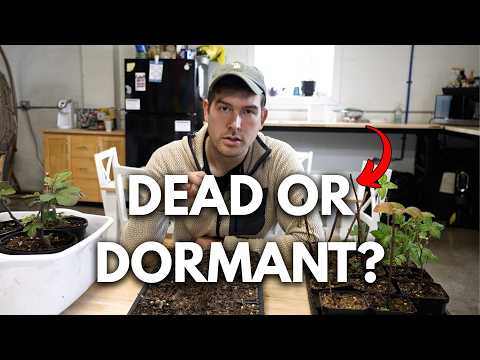
- •The host spent $171 on 18 boxed plants, gave them three weeks of optimal care under grow lights, and tracked survival rates across strawberries, figs, raspberries, blueberries, and elderberries.
- •Strawberry plants hit a brutal 17% survival rate.
What Retail Stores Do to Plants Before You Touch Them
Dormant plants need cold, dark, and dry to stay dormant. Big box stores offer warm, artificially lit, and completely unwatered. That mismatch is not a minor inconvenience. It is the entire problem. Plants break dormancy prematurely under store heat, throw out leggy weak growth with no real light to support it, and then sit in their original packaging with no water, stressing or dying over days or weeks before anyone buys them. In Our Largest PSA Ever for Buying Plants At Big Box Stores, MIgardener's host walked through these conditions after purchasing 18 plants for roughly $171, and the store environment angle alone explains most of what went wrong in the experiment that followed. The fact that these plants are often shipped to stores in early March, when no gardener in a cold climate can actually put them in the ground, just layers more time under bad conditions onto an already fragile product.
$10 a Plant for a Coin Flip
At around $10 per plant, you would expect something with a reasonable shot at survival. What MIgardener's experiment found instead was mold, dried-out roots, miscounted multi-packs, and in several cases plants that were simply dead on arrival. Strawberry multi-packs advertised a certain quantity and delivered fewer, with many already rotted. Raspberry plants, despite being given grow lights and consistent watering for three weeks, either failed entirely or produced growth too disappointing to justify the price. Blueberries and elderberries were similarly underwhelming. The math gets worse when you factor in the cost of soil, containers, grow lights, and the weeks of indoor care required before outdoor planting is even possible in colder climates like Michigan. If you are a new gardener and half your plants die, you are probably blaming yourself. You probably should not be.
The 17% Strawberry Problem
Of all the results in MIgardener's three-week survival experiment, the strawberry numbers are the ones that should give any gardener pause. Only three out of seventeen strawberry plants made it. That is a 17% survival rate under conditions that were, by design, as good as they could be: strong grow lights, consistent watering, optimal potting mix. The culprit the host identified was the sealed plastic packaging trapping moisture around the roots, creating the exact waterlogged environment that causes rot. This is not bad luck. It is a predictable outcome of how these plants are packaged and stored. Paying for seventeen plants and getting three usable ones is not a deal, even if the sticker price looked reasonable at the register.
Figs Are the Exception Worth Knowing About
Not everything in the experiment was a cautionary tale. Fig trees came through as a genuine bright spot, with healthy root systems driving solid new growth despite some surface mold and minor die-back on certain specimens. The host's advice here is specific and useful: look at the roots, not just the stems. A fig with a robust root structure has real recovery potential even if the top growth looks rough. MIgardener also recommends the snap test on stems to check for live tissue beneath the surface. If you are going to buy anything dormant from a big box store, figs are where the risk-to-reward ratio actually makes sense, as long as you take five minutes to inspect before you buy. You can learn more about getting the most from these plants with this guide on Our Analysis: MIgardener frames this as a consumer warning, but the real story is a systems failure that the gardening industry quietly accepts. Big box stores are not plant nurseries. They are logistics operations that happen to sell plants, and nobody in the supply chain is accountable for what arrives half-dead on a shelf in February. The 17% strawberry survival rate is the number that should follow every "great deal" conversation at Home Depot. A 50-cent savings means nothing when five out of six plants die on your watch, especially if you are new and assume you killed them. What the video skips is the ask. If demand keeps showing up, the stores keep ordering. Gardeners voting with their wallets is the only pressure point that actually exists here. There is also a knowledge gap problem worth naming. Experienced gardeners know to inspect roots, run the snap test, and treat these purchases as a project rather than a product. New gardeners do not have that framework yet, and the packaging gives no indication they will need it. The result is a category that systematically punishes the people least equipped to absorb the loss, financially or motivationally. That is not just a bad deal. It is a reliable way to push first-time growers out of the hobby entirely. Based on viewer questions and search trends. These answers reflect our editorial analysis. We may be wrong. Source: Based on a video by MIgardener — Watch original video This article was created by NoTime2Watch's editorial team using AI-assisted research. All content includes substantial original analysis and is reviewed for accuracy before publication.Frequently Asked Questions
What is the best website to buy plants instead of a big box store?
What plant removes 78% of airborne mold?
Why do big box store dormant plants die even when you do everything right?
Are there any plants actually worth buying at big box stores, or should you avoid them entirely?
When is the right time to buy dormant plants in early spring, and why do stores sell them too early?