Theo Von's Prayer: Spiritual Transformation, Fear of Change, Christianity
Key Takeaways
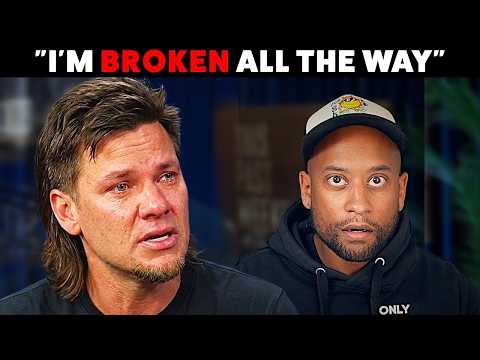
- •Theo Von has prayed for God to transform the most broken parts of him, admitting he cannot change through his own effort — language that mirrors the Christian concept of spiritual rebirth without using it explicitly.
- •His childhood lack of maternal affirmation created a lifelong pattern of seeking external validation, which he now recognises as exhausting and wants to escape — but the fear of who he'd be without that story is stopping him.
- •The video argues Von is essentially the paralysed man at the pool in John 5: he wants healing, but the radical identity change that comes with it is the thing he can't quite say yes to.
The Prayer He Didn't Know Was Theological
Theo Von didn't walk into this conversation quoting scripture. He walked in exhausted. He described praying for God to enter the broken parts of him — not just the surface stuff, but what he called the walls and mortar of his inner self. He admitted he'd tried everything he could think of to change certain ingrained behaviours, and none of it worked. So he prayed. And the prayer, as Whaddo You Meme? points out in Theo Von Just Admitted Why He Can't Say Yes to Jesus, is almost a word-for-word articulation of what Christian theology calls the need for a new heart — the kind of transformation that can't be self-generated.
He didn't use the phrase 'born again.' He didn't need to. The concept was already there, dressed in his own language.
Wanting to Be Well Is Not the Same as Saying Yes to It
The Paradox of Wanting Change While Resisting It
The video draws a direct line between Von and the story in John 5, where Jesus approaches a man who has been sick for decades and asks him a question that sounds almost cruel in its simplicity: do you want to be healed? It's not a rhetorical question. Jesus is pointing at something real — that healing isn't passive. It means your whole story changes. The sick man's identity, his routine, his relationship to the world around him — all of it gets rewritten.
Von gets this. He says as much. He acknowledges that part of him resists the healing because he doesn't know who he'd be on the other side of it. That's not weakness — that's one of the most honest things a person can say about why change is hard. The fear isn't of staying broken. It's of becoming a stranger to yourself.
Where the Wound Actually Started
How Low Self-Worth Blocks Spiritual Acceptance
Von traces a lot of this back to his mother — specifically, to a childhood absence of connection and affirmation that left him feeling fundamentally wrong somehow. Not bad. Not evil. Just... not quite right. That feeling, according to the video, became the engine of everything that followed: the people-pleasing, the need to perform, the constant scanning of other people's faces for signs of approval.
He built an entire identity around earning what he never received as a child. And it worked, in the way that coping mechanisms work — until it didn't. Now the story he built to survive feels like a cage he's been living in so long he's forgotten it's a cage. As someone who has watched a lot of people describe this exact dynamic without ever naming it, Von's version is unusually clear-eyed.
The 'Pleased Eyes' Problem
The Gospel as the Answer to Deep Emotional Wounds
Von uses a specific phrase that the video latches onto: he wants 'pleased eyes.' He wants someone to look at him and just be glad he's there — not because of what he did, not because of what he's about to do, but just because he exists. That's the thing he never got and has been chasing ever since.
The video connects this directly to Jesus' baptism, where God speaks over his son before Jesus has done a single miracle — before the ministry, before the cross, before any of it — and says, essentially, I am pleased with you. The argument being made is that the Gospel isn't just a theological proposition. It's the specific answer to the specific wound Von is describing. Not earned acceptance. Given acceptance. As someone exploring what pushes people across the line into faith, Von's story is a case study in how close someone can get without quite arriving.
The Identity He's Afraid to Lose
Here's the thing the video handles well: it doesn't frame Von's resistance as stubbornness or sin. It frames it as grief. The broken self is still a self. The story built on low self-worth is still a story. Letting go of it means mourning something, even if what you're mourning was hurting you.
Von is depicted as someone standing at the edge of something he genuinely wants, held back not by disbelief but by the weight of his own history. The Christian concept of being 'born again' sounds like good news until you realise it also means the old self has to die — and that's not nothing, even when the old self was suffering. For readers curious about how the historical claims of Christianity intersect with these personal questions, the intellectual and emotional tracks rarely move at the same speed. Von seems to be living that gap in real time.
The video is at its sharpest when it lets Von's own words do the work. His prayer about the 'walls and mortar' of his inner self is genuinely striking, and the theological parallel to Ezekiel's 'new heart' lands without feeling forced. Where it gets shakier is the implicit assumption that Von is one good conversation away from conversion — the analysis keeps circling the threshold without acknowledging that some people live on that threshold for decades, not because they're blocked by fear, but because the answer genuinely hasn't clicked for them yet. That's a different problem than the one the video is solving.
Von's 'pleased eyes' framing is the most useful thing in the whole piece. It names something most people feel but can't articulate — that the hunger for unconditional regard is the thing underneath almost every other hunger. Whether the Gospel is the answer to that is a separate question. That he named the question this precisely is what makes this worth paying attention to.
Frequently Asked Questions
What does the story of the paralyzed man in John 5 say about why people resist spiritual healing?
Why do people who want spiritual transformation and healing still resist accepting it — is that a psychology or faith problem?
Can childhood trauma actually block someone from accepting unconditional love or faith — or is that a stretch?
What does 'born again' actually mean in Christianity, and does it require giving up your old identity?
What singer or celebrity no longer believes in God — and how does that compare to someone like Theo Von who seems to want to believe?
Based on viewer questions and search trends. These answers reflect our editorial analysis. We may be wrong.
Source: Based on a video by Whaddo You Meme? — Watch original video
This article was created by NoTime2Watch's editorial team using AI-assisted research. All content includes substantial original analysis and is reviewed for accuracy before publication.
Related Articles

You Might Also Like
May 1
Entertainment | Impractical Jokers unexpected success longevity: Sal Vulcano Reveals Why

Apr 21
Life Stories | Alex's 331 Days: The Unseen Battles of Sobriety Recovery Early Stages

Apr 17
Politics | Pentagon Official's Pulp Fiction Prayer: weaponizing Christianity military justification?

Apr 17
Life Stories | Cystinosis genetic disorder symptoms treatment: Hannah's Story