Cystinosis genetic disorder symptoms treatment: Hannah's Story

Key Takeaways
- •Cystinosis is a rare genetic disorder affecting major organs — Hannah's brother Joel has already received two kidney transplants as a result of the condition.
- •The Strickland Hope Foundation was created to fill concrete gaps: financial assistance, medical equipment, and counseling for families whose income collapses when a child gets seriously ill.
- •Despite living with cystinosis, Hannah says she doesn't feel its daily effects — a direct result of her family's deliberate effort to normalize her life around the condition.
What Is Cystinosis?
Cystinosis is a rare genetic disorder in which cystine — an amino acid — accumulates inside cells and damages organs over time. The kidneys are typically hit first and hardest, but the condition doesn't stop there. Eyes, muscles, the thyroid, and other major systems are all on the list. It's not a condition you manage once and move on from. It's a lifelong negotiation between the body and a disease that keeps showing up to renegotiate.
In the Strickland family's case, the disorder showed up in multiple children. Hannah's brother Joel has undergone kidney transplants, and Hannah herself lives with the condition — though she says she doesn't feel it day to day. Her family worked hard to make that true. Related: Building a $250K Pasture-Raised Chicken Farming Business
How Cystinosis Affects Growth and Development
One of the less-discussed consequences of cystinosis in children is its effect on physical growth. Dawn explains that the medications required to manage the condition can stunt development. There's also the matter of a G-tube — a feeding tube — which becomes part of the daily routine for some patients. These aren't abstract medical footnotes. They're things a child wakes up to every morning. The fact that Hannah describes her life as largely normal is less a medical miracle than a testament to how much invisible work her family has put in to make it feel that way.
Two Years to a Diagnosis
Dawn describes a diagnostic process that stretched across two years, during which Joel was misdiagnosed and the family was left without answers while his condition progressed. When a diagnosis finally came, one of the first questions the family was asked — despite having what Dawn describes as good insurance — was how they planned to pay for a transplant. That question, asked at one of the most frightening moments a parent can face, is what eventually drove the creation of the Strickland Hope Foundation. Related: Social Media Addiction Mental Health Lawsuit Verdict
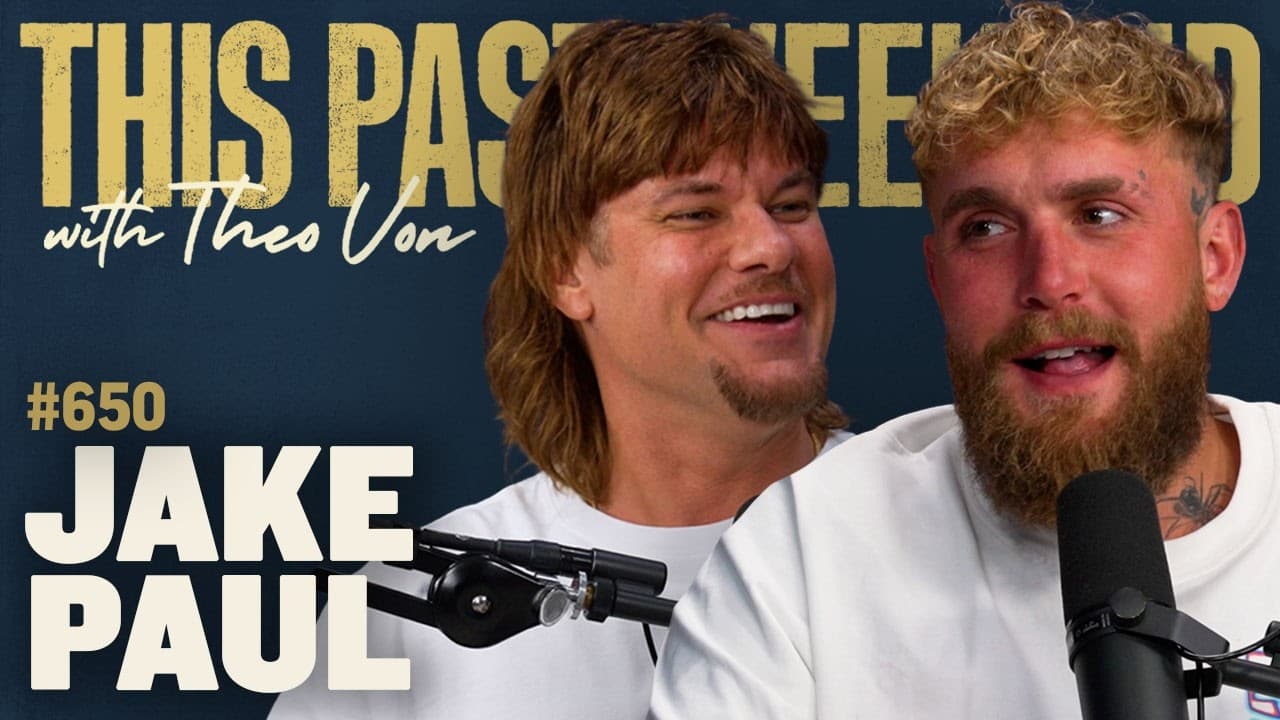
It's the kind of detail that reframes the entire healthcare conversation. Good insurance, and still that question. The full story unfolds in Hannah Strickland I This Past Weekend w/ Theo Von #653, where Theo Von gives the family the space to walk through these moments without rushing past the hard parts.
Our Analysis: What the Strickland conversation does well is stay concrete. Dawn doesn't talk about the emotional toll of cystinosis in vague terms — she talks about being asked how they'd pay for a transplant while still processing the diagnosis. That specific moment does more work than any amount of general advocacy language. The foundation's model reflects the same instinct: financial aid, equipment, counseling. Not awareness. Actual things.
The part that deserves more scrutiny is the insurance angle. Dawn describes their coverage as good, which makes the transplant payment question even harder to explain away. If good insurance still leaves a family scrambling, the problem isn't individual financial planning — it's a structural gap that the Strickland Hope Foundation is trying to patch from the outside, one family at a time.
There's also something worth noting about the platform choice here. Theo Von's audience skews young and largely disengaged from traditional health advocacy spaces. Bringing a story like this to that audience — without softening it, without making it a lesson — is a different kind of outreach than a charity gala or a press release. Hannah is already a content creator herself, which means she understands that the most effective advocacy often looks like a conversation, not a campaign. The foundation benefits from that instinct directly.
What the episode doesn't fully explore is the long tail of cystinosis management beyond transplant. For families without a Hannah — without someone who has both lived experience and a platform — the isolation compounds the financial strain. Rare disease communities are, almost by definition, small. The Strickland Hope Foundation's value isn't just the resources it provides; it's the signal it sends that someone else has been through this and built something on the other side of it. That's harder to quantify than a equipment grant, but it may be just as important.
Frequently Asked Questions
What does cystinosis do to your body over time?
What is the treatment for cystinosis genetic disorder symptoms?
How does cystinosis affect children's growth and development?
What financial burden does cystinosis place on families, and is there support available?
Can people with cystinosis have children?
Based on viewer questions and search trends. These answers reflect our editorial analysis. We may be wrong.
Source: Based on a video by Theo Von — Watch original video
This article was created by NoTime2Watch's editorial team using AI-assisted research. All content includes substantial original analysis and is reviewed for accuracy before publication.