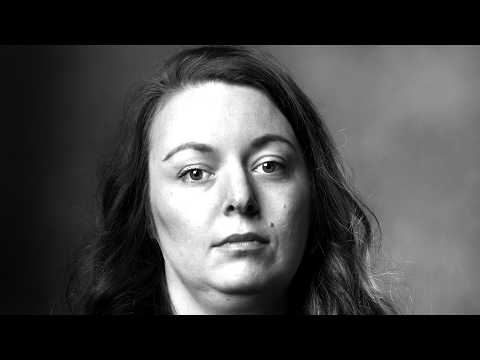
Jeffrey Epstein Survivor Testimony: Wendy Pesante's Story
Key Takeaways
- •Wendy Pesante was financially compensated by Epstein's estate as a confirmed victim but was never interviewed by the FBI or any law enforcement agency about her abuse at age 14.
- •Epstein's recruitment network used peer normalization as its primary tool — girls were told other friends had gone, been paid, and were fine, framing a predatory encounter as a routine transaction.
- •Pesante's borderline personality disorder diagnosis came years after her abuse; she describes BPD as a trauma-acquired condition with no targeted medication, managed only through symptom treatment.
A Childhood Built for Vulnerability
Wendy Pesante's earliest memory involves watching her parents fight, a scene that ended with her mother taking her to a domestic violence shelter. That was the foundation. What followed was more than 30 moves across four states, a mother whose social life involved heavy drinking and adult situations that a child had no business being near, and a stepfather who added his own brand of instability to the mix. By the time Wendy was 11 and living in a trailer park, she was stealing prescription pills with her step-siblings and, not long after, trying cocaine at a party because she wanted older kids to think she was cool. This is the kind of biography that predators don't stumble into by accident. They find it on purpose.
How the Recruitment Actually Worked
The grooming tactic Pesante describes in the Jeffrey Epstein Survivor-Wendy Pesante interview on Soft White Underbelly is almost mundane in its efficiency. No elaborate seduction. No grand promises. Just a girl telling other girls that she'd gone to this guy's place, done a massage, gotten paid, and nothing bad happened. That was the entire pitch. The activity was framed as easy money for something so minor it barely counted as work. By the time Wendy was 14 and standing in Epstein's space, the normalization had already done most of the work for him. This is what makes the network so difficult to prosecute in retrospect: the coercion was distributed across a social group, not applied by a single visible adult to a single visible child. Understanding why young people in chaotic environments are drawn toward situations that feel structured or rewarding, even dangerous ones, is something attachment science has a lot to say about.
What Happened at Age 14
Pesante doesn't describe what happened in Epstein's home as ambiguous. She was ushered upstairs immediately upon arrival, told to strip to her underwear, left alone, and then directed by Epstein to massage specific areas of his body while he sexually gratified himself. His behavior escalated to groping and attempted penetration. A timer went off. She was dismissed. The encounter ended the way a business transaction ends, which was clearly the point. What Pesante describes afterward is equally telling: she and her friends processed it by drinking and partying, because there was no adult in any of their lives equipped or willing to hear what had just happened to them.
The Years That Followed
After the Epstein encounter, Wendy's life moved in a direction that anyone paying attention could have predicted and nobody did. At 17 she dropped out of school, started working as a stripper, and used the income to fund drug use and basic survival after refusing to follow her parents on yet another relocation. She describes this period honestly, without the kind of retrospective tidying-up that makes trauma narratives easier to sit with. The fast money and the substance abuse reinforced each other in a loop that took years to break. The psychological literature on how early trauma distorts risk perception and reward-seeking behavior is substantial, and Pesante's trajectory through this period reflects that pattern with painful clarity. The parallel to stories of substance use spiraling after acute trauma is hard to miss.
The FBI Never Called
Here is the part that should bother people more than it apparently does. Wendy Pesante was recognized as a victim by Epstein's estate. She received financial compensation. Her status as someone who was abused by Jeffrey Epstein was, in other words, officially acknowledged by the legal mechanisms set up specifically to identify and compensate his victims. And yet, according to her account in the interview, not one federal agent, not one FBI investigator, not one representative of any law enforcement body ever contacted her to ask what she knew or what she experienced. She was 14. The investigation that the government described as thorough apparently did not include a phone call to a woman whose victimhood was already on record. That gap between the estate's acknowledgment and law enforcement's silence is not a procedural oversight. It is a choice someone made.
What Being a Survivor Costs Now
Pesante is blunt about something that gets overlooked in the broader Epstein media cycle: the ongoing public exposure is, at this point, its own form of harm. Every documentary, every news cycle, every social media thread dragging Epstein's name back into public view forces survivors to re-encounter their own history without warning and without support. She describes the label of survivor as something she never asked for and now can't remove, an identifier that follows her into every corner of her life including her relationship with her daughter. Her BPD diagnosis, which she received after years of unaddressed mental health struggles, is something she frames not as a character trait but as a direct product of what was done to her, a trauma response that the system classified long after the trauma was already finished doing its damage. She made significant changes, cutting contact with her family, relocating to Ohio, and rebuilding around her daughter, and those changes mattered. But rebuilding your life while the media keeps excavating your worst years for content is a specific kind of exhausting that no settlement check addresses.
Our Analysis: The most damning detail in this interview isn't the abuse. It's that the FBI never called. Epstein's estate quietly paid Wendy out, the civil system acknowledged her, and federal law enforcement apparently couldn't find the time. That silence is its own verdict.
Soft White Underbelly does something most outlets won't: it lets survivors be complicated. Wendy isn't packaged for sympathy. She's honest about her family, her choices, her diagnosis. That honesty is exactly what makes the public's continued skepticism toward survivors so hard to defend.
The trauma of the media cycle outlasting the trauma of the crime is a line that deserves to stick with you. It also points to a structural problem nobody in media wants to own: the Epstein story has become an industry. Documentaries get greenlit, podcasts get downloads, and the survivors those projects claim to center are left absorbing the collateral damage of every new content cycle with no say in the timing and no buffer against the exposure. Pesante's account makes clear that the harm doesn't end when the abuse ends. It gets renewed every time an algorithm decides the story is worth surfacing again. That's not a side effect of coverage. At this point, it's a feature of it.
Frequently Asked Questions
What specific tactics did Jeffrey Epstein use to recruit vulnerable teenage girls?
Why did the FBI never interview Wendy Pesante despite her being a confirmed Epstein victim?
How does childhood trauma lead to the kind of vulnerability Epstein's network exploited?
Can surviving Epstein's abuse cause borderline personality disorder?
Is the ongoing media coverage of the Epstein case actually harmful to survivors?
Based on viewer questions and search trends. These answers reflect our editorial analysis. We may be wrong.
Source: Based on a video by Soft White Underbelly — Watch original video
This article was created by NoTime2Watch's editorial team using AI-assisted research. All content includes substantial original analysis and is reviewed for accuracy before publication.