Elon Musk's Hiring Strategy for Executives: The Stress Test
Key Takeaways
- •Elon Musk's interviews are problem-solving sessions — he presents a complex challenge and evaluates how deep a candidate can go, not what their resume says.
- •McNeill and JB Straubel personally ran final interviews for all manager-level and above hires at Tesla, even as the company scaled rapidly — consuming up to 60% of McNeill's calendar.
- •Hiring from large, matrixed organizations is a known trap: candidates often reflect their team's success, not their own — and most interviewers never probe deep enough to tell the difference.
The Interview That Isn't an Interview
Jon McNeill's first meeting with Elon Musk wasn't a conversation. Musk presented a problem and started drilling. No warm-up, no pleasantries, no 'tell me about yourself.' The entire session was designed to find out one thing: how far down can this person actually go? McNeill describes it like navigating layers — Musk keeps pushing until either the candidate hits bedrock knowledge or hits a wall. The point isn't to catch people out. It's to locate the ceiling of someone's thinking in real time, which a polished resume will never show you. Most hiring processes are designed to make candidates comfortable enough to perform well. Musk's is designed to make them uncomfortable enough to reveal themselves.
What 'World-Class Work' Actually Means to Musk
The framing Musk uses, according to McNeill, is whether a candidate can do 'world-class work' — not good work, not competent work. The problem-solving session is the filter. If a candidate can engage deeply with a hard problem, reason through it systematically, and keep going when pushed, that's evidence. If they plateau early or retreat into vague generalities, that's also evidence. It's a brutally efficient signal, and it explains why Musk has little patience for the traditional interview format, which mostly tests how well someone has rehearsed being interviewed. The uncomfortable truth is that most hiring managers are evaluating presentation skills and calling it talent assessment. Related: Canada Housing Crisis Affordability: A Global Warning
Why Elon and JB Straubel Sat in Every Manager Interview
As Tesla scaled, Elon and JB Straubel made a decision that sounds almost irrational at first: they would personally conduct the final interview for every hire at manager level and above. Every single one. McNeill says this consumed roughly 60% of his calendar as president. That's not a rounding error — that's the majority of his working time going to one function. The logic is straightforward even if the commitment is extreme: culture doesn't transmit through documents or onboarding decks. It transmits through people. If the wrong people get into leadership positions, the culture shifts, and by the time you notice, it's already too late to fix cheaply.
The Real Cost of Getting a Leadership Hire Wrong
The 60% calendar figure is the kind of number that makes traditional executives flinch. But McNeill frames it as an investment, not a cost — because the alternative is spending far more time later managing the fallout from a bad hire who's now embedded in the org chart with direct reports and institutional credibility. At a company growing as fast as Tesla was, a single wrong leadership hire doesn't just underperform. They hire more people in their own image, make decisions that compound, and create pockets of the organization that operate on different values. The personal interview commitment was essentially a quality control mechanism applied to the most consequential input in the business. It's the kind of thing that sounds obvious once someone explains it and yet almost no company actually does it. Related: Kevin O'Leary's Take on Entrepreneurial Traits Successful CEOs
The Matrixed Organization Trap
McNeill flags a specific and underappreciated hiring risk: candidates who come from large, complex organizations where individual contribution is genuinely hard to isolate. In a matrixed company, a person can be present for enormous success without being responsible for it. They attended the right meetings. They were on the right team. The project shipped and they were there when it did. None of that tells you what they actually drove. The trap is that these candidates often interview extremely well — they have real stories, real outcomes, real numbers — and the interviewer mistakes proximity to success for causation of success. Related: AI Consulting for Small Businesses: Huge Opportunity Now
How to Actually Tell the Difference
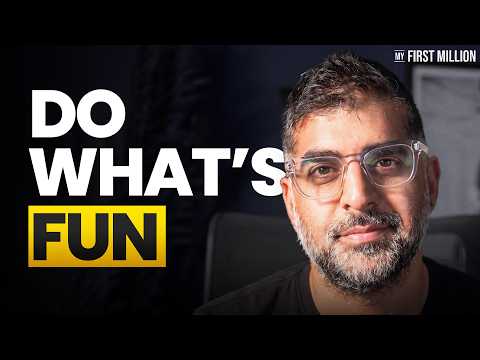
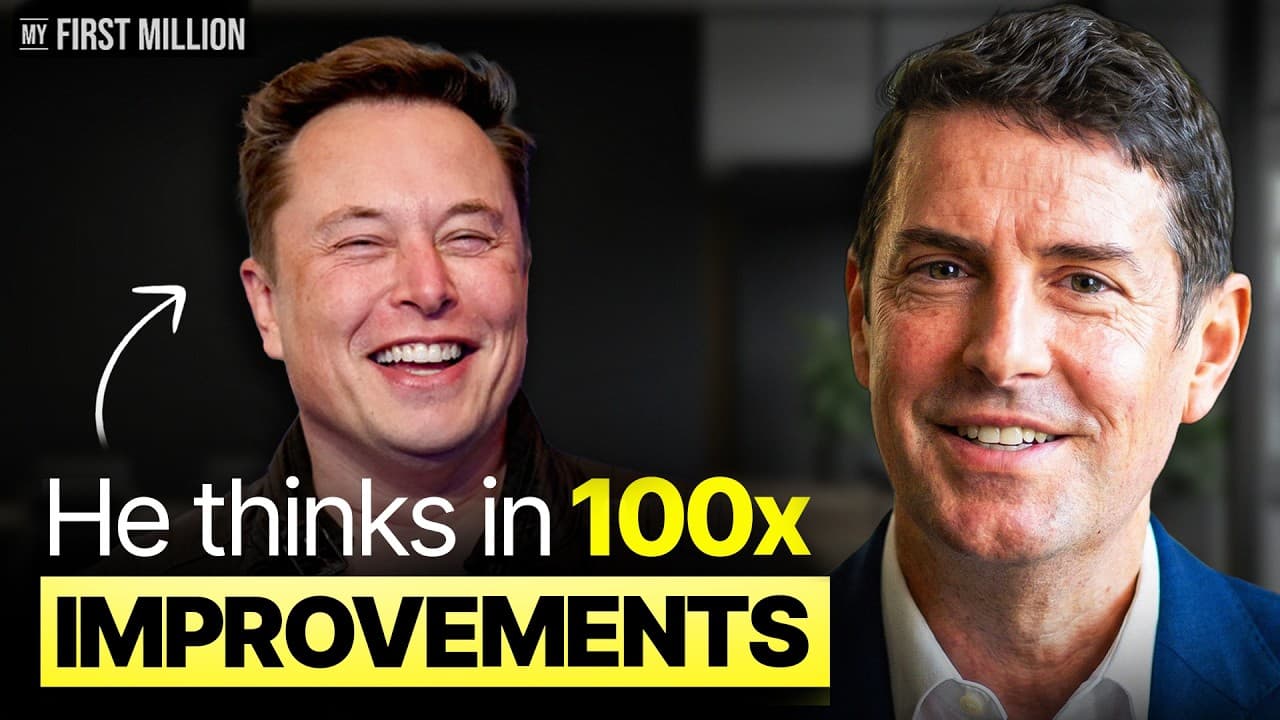
The fix, according to McNeill, is to probe relentlessly on specifics. Not 'what did your team accomplish' but 'what did you personally decide, build, or change — and what would have been different if you hadn't been there?' That last question is the one that separates contributors from passengers. He also makes a pointed observation about salespeople specifically: hire the ones who succeeded selling hard products, not the ones who rode a hot market. A salesperson who crushed quota on a product that basically sold itself tells you almost nothing. One who hit their number with a difficult, unsexy product in a competitive market tells you everything. The same logic applies across functions — context matters enormously when evaluating past performance, and most interviewers never ask for it. McNeill shared these insights on My First Million in the video Ex-Tesla President: Elon Behind-The-Scenes, Saving Tesla & Scaling a Trillion-Dollar Company, which covers his full experience building one of the most scrutinized companies in modern business.
The 60% calendar stat is the most honest thing in this conversation, and it's the part most executives will read and immediately explain away. 'We have a rigorous process' usually means HR screens, a hiring manager interviews, and a panel rubber-stamps. That's not what McNeill is describing. He's describing the two most senior people in the company treating talent selection as their primary job — not a responsibility they delegate when they have bandwidth. The gap between those two things is enormous, and most companies never close it.
The matrixed organization warning deserves more attention than it gets. The candidates most likely to fool a standard interview process are the ones who came from successful large companies, because they have real outcomes to point to and enough distance from the details that no one can easily verify what they personally did. McNeill's advice to probe for individual causation is correct — but it only works if the interviewer is willing to make the conversation uncomfortable, which most aren't.
Frequently Asked Questions
What is Elon Musk's hiring strategy for executives?
How do you tell if a candidate actually drove results or just happened to be on a successful team?
Why did Elon Musk personally interview every manager-level hire at Tesla?
Does Elon Musk's interview technique actually work better than traditional hiring methods?
Can smaller companies realistically copy Tesla's executive interview process?
Based on viewer questions and search trends. These answers reflect our editorial analysis. We may be wrong.
Source: Based on a video by My First Million — Watch original video
This article was created by NoTime2Watch's editorial team using AI-assisted research. All content includes substantial original analysis and is reviewed for accuracy before publication.