OpenAI TBPN Acquisition Strategy: The Logic Gap That Fooled Everyone
Key Takeaways
- •OpenAI acquired TBPN for a substantial sum despite TBPN's audience being a tiny fraction of ChatGPT's existing user base — the math only makes sense if the goal isn't audience growth
- •Sam Altman has become a lightning rod for public anger about AI, with incidents including a Molotov cocktail attack and a bullet attack on his home
- •TBPN built its media footprint by inverting the podcast model — clips were the product, not the promotion — and that media expertise may be exactly what OpenAI is actually buying
Why OpenAI Acquired TBPN: The Real Strategic Rationale
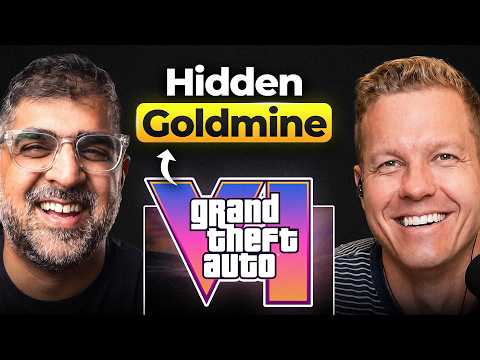
On the surface, this acquisition makes no sense. ChatGPT has a user base measured in the hundreds of millions. TBPN has a passionate but comparatively tiny audience. If OpenAI wanted reach, it already has it. So the hosts of My First Million, in their video This opportunity is hidden in plain sight, push past the obvious framing and ask the more interesting question: what does OpenAI actually need that it doesn't already have?
The answer they land on is credibility. Not distribution. Not subscribers. The kind of media fluency that comes from building an audience from scratch, understanding what makes content travel, and knowing how to shape a narrative without it looking like you're shaping a narrative. TBPN had that. OpenAI, for all its technical dominance, demonstrably does not. Related: Billion-Dollar Secret: LTV to CAC Ratio Business Profitability Unlocked
The Audience Size Paradox: TBPN vs ChatGPT
The hosts are direct about the numbers problem. TBPN's audience, however loyal and tech-savvy, is not moving the needle for a product already embedded in the daily routines of hundreds of millions of people. HubSpot buying The Hustle made clean strategic sense — The Hustle's audience was full of potential HubSpot customers, and the acquisition was essentially a very expensive lead generation machine. That logic doesn't transfer here. OpenAI isn't struggling to find users. It's struggling with something harder to fix than a funnel.
The acquisition only starts to compute when you stop thinking about it as a media deal and start thinking about it as a talent acquisition with a media company attached. That reframe changes everything about how you evaluate the price. Related: Print-on-Demand Business Model: How He Built 7-Figure Brands with AI
Sam Altman's Public Image Crisis and the Need for Media Control
The public anger directed at AI right now isn't abstract. According to the discussion, Sam Altman has been the target of a Molotov cocktail attack and a bullet attack on his home. That's not online criticism. That's a threat level that suggests the gap between how AI insiders perceive the technology and how a significant portion of the public experiences it has become genuinely dangerous.
The hosts connect this to something broader: a population that followed the prescribed path — education, work, financial responsibility — and still feels economically squeezed. AI, in that context, isn't a productivity tool. It's the thing that might take the job that was supposed to be the reward for doing everything right. Sam Altman's perceived inauthenticity, the hosts argue, makes him a particularly easy target for that frustration to attach to. Related: How to Create a Budget That Works: Mel Robbins & The Budgetista
From Threats to Editorial Independence: Understanding the Acquisition
TBPN's founders stated that editorial independence was part of the acquisition terms. The hosts treat this claim with appropriate skepticism — not because they think it's a lie, but because editorial independence and strategic alignment have a way of quietly converging over time when one party signs the checks. The more interesting question isn't whether TBPN will stay independent. It's whether OpenAI even needs them to produce content directly, or whether having media-native operators inside the building changes how the company communicates at every level. That's a subtler form of influence, and harder to point to.
How Tech Companies Use Media Acquisitions for Reputation Management
This isn't the first time a tech company has bought its way toward a better story. The hosts reference the pattern of platform owners using their control to disadvantage rivals — X's alleged suppression of Substack links after a failed acquisition attempt being one example — which raises the mirror-image question: if platforms can suppress narratives, can acquired media properties amplify them? The answer is obviously yes, which is why the editorial independence clause matters and why it will be tested.
There's also a competitive dimension worth noting. The hosts speculate that Elon Musk's X platform may be intentionally suppressing TBPN content given the ongoing rivalry between Musk and OpenAI. If that's true, OpenAI just acquired a media asset that its most prominent public antagonist is actively working to limit. That's either a problem or a reason to diversify distribution aggressively — and TBPN's existing playbook, built on short-form clips distributed across platforms, is well-suited to exactly that kind of resilience. As we explored in Elon Musk's hiring strategy for executives, Musk treats competitive pressure as a feature, not a bug — and OpenAI is clearly operating with that assumption in mind.
The TBPN Editorial Independence Question
TBPN's media model was genuinely innovative. Where traditional podcasts treat clips as trailers for the main show, TBPN inverted the structure entirely — the clips were the product, and the long-form content was the factory that produced them. That approach required a specific kind of editorial instinct: knowing which thirty seconds of a two-hour conversation would travel, and building the conversation with that in mind from the start. That skill is not common. It's also not something you can replicate by hiring a social media manager. OpenAI is buying a methodology as much as a platform, and the co-founder John's documented obsession with the work — including abandoning a successful YouTube channel and maintaining focus through periods of near-zero viewership — suggests the methodology is inseparable from the people who built it.
The hosts frame this as a reputation play, which is probably right, but they stop short of the more uncomfortable implication: OpenAI may have bought TBPN precisely because organic credibility can't be manufactured internally. Every piece of content OpenAI produces in-house carries the taint of self-interest. A nominally independent media company, even one sitting inside the org chart, carries a different kind of authority — at least until the independence gets tested publicly, which it will.
What the video doesn't press on is the timing. OpenAI made this acquisition while facing regulatory scrutiny, a high-profile leadership crisis in recent memory, and a public figure in Altman who generates hostility at a rate that no communications team can outrun. Buying media expertise now isn't a growth strategy. It's damage control with a longer time horizon than a press release — and the long-term value calculation on that kind of spend is genuinely hard to model.
Frequently Asked Questions
What is the real OpenAI TBPN acquisition strategy — and why does audience size make it confusing?
Why did OpenAI acquire a media company instead of just building its own content operation?
How serious is the backlash against Sam Altman, and is it actually driving OpenAI's PR decisions?
Does TBPN's promised editorial independence actually mean anything now that OpenAI owns it?
Is OpenAI's acquisition of TBPN comparable to HubSpot buying The Hustle?
Based on viewer questions and search trends. These answers reflect our editorial analysis. We may be wrong.
Source: Based on a video by My First Million — Watch original video
This article was created by NoTime2Watch's editorial team using AI-assisted research. All content includes substantial original analysis and is reviewed for accuracy before publication.