$5K Wreck to Dream Home: A Boat Renovation DIY Project
Key Takeaways
- •Matt and Kristen paid $5,000 for the Dead Dolphin, then spent over $125,000 total (including labor) to make it livable, including a $15,000 Beta Marine engine that cost three times the original purchase price alone.
- •A first launch attempt failed immediately due to a broken steering component, forcing them to haul the boat back out of the water — a reminder that old vessels will find every way possible to humiliate you before they cooperate.
- •Straight wood shiplap panels failed on the boat's curved interior walls and had to be replaced with flexible PVC boards wrapped in mold-resistant vinyl — material selection on a boat is a completely different problem than material selection in a house.
What $5,000 Actually Buys You on Craigslist
Matt and Kristen didn't buy a fixer-upper. They bought a liability with a mast. The Dead Dolphin was listed for $5,000, which in the used boat market is less a price and more a confession. When they sailed it from Fort Lauderdale to Puerto Rico, the trip functioned as an extremely expensive inspection report: the keel had a significant crack, marine growth had colonized the hull, and the main engine was completely non-functional. Once they arrived and saw everything clearly, the decision tree had exactly two branches. Walk away, or go all in. They went all in, committing to a full rebuild on a boat that was barely floating.
The Yard Clock Is Always Running
Exterior work started under a self-imposed 10-day deadline, because every day a boat sits in a boatyard costs money in storage fees. That kind of pressure makes every delay personal. Tropical rains pushed the timeline, deck rot appeared mid-project requiring structural attention, and the hull painting eventually required bringing in a local expert named Salicha to do it properly. Then came the first splash day, which went badly. A steering component broke on contact with the water, paint was damaged, and the boat had to be hauled straight back out. For anyone doing a boat renovation DIY project, this is the part nobody warns you about: the boat gets a vote on your schedule, and it will use that vote against you.
Pulling a 300-Pound Engine With a Mast
Once the exterior was sorted and the second launch held, the focus shifted to the engine situation. The corroded original engine weighed around 300 pounds, and Matt and Kristen pulled it themselves by rigging the boat's own mast as a crane. It worked. The replacement was a $15,000 Beta Marine unit, and its installation required careful shaft seal replacement and precise mechanical alignment before anything else could happen. After the engine was seated, they added a seawater strainer, a fuel filter, and a vent loop to prevent water from siphoning back into the engine block. A $2,000 autopilot system followed, which for a two-person crew doing long ocean passages is less a luxury and more a basic survival tool. Understanding what warning signs look like after an engine installation is worth knowing too, and the breakdown in what an engine oil pressure warning light actually means covers exactly that kind of post-install vigilance.
What Boat Walls Actually Do to Your Material Choices
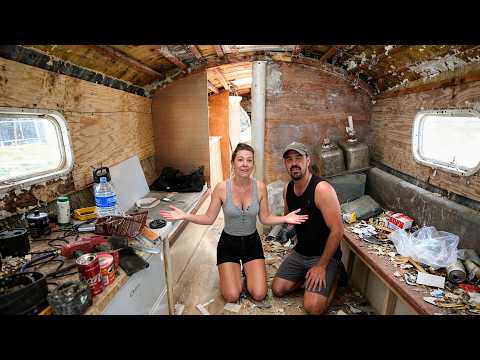
Inside, Matt and Kristen demolished rotten cabinetry and bulkheads throughout, then started rebuilding using marine-grade materials. The V-berth, which functions as the main bedroom, became a case study in the difference between building for a house and building for a hull. They initially cut wood shiplap panels for the walls, which looked great on a flat surface and failed completely against the boat's curves. The panels were pulled and replaced with flexible PVC boards wrapped in mold-resistant vinyl. LED lighting went into the ceiling. In other areas, they developed techniques for heating sheet materials to make them conform to curved surfaces, and used floating barriers to control adhesive application. It is the kind of problem-solving that doesn't appear in any standard carpentry guide, because standard carpentry assumes the walls are straight. For anyone researching materials and lighting choices for unusual DIY applications, the comparison in LED vs incandescent lighting for color quality offers useful context on why the light source matters as much as the fixture placement.
Galley, Wiring, and the Liquor Cabinet That Used to Be a Nav Station
The galley got custom push-lock cabinet doors, new countertops, and a built-in trash bin. The old navigation station, which was no longer needed in the same configuration, was converted into a liquor cabinet, which is either brilliant repurposing or a very honest statement about priorities at sea. The electrical system was completely rewired from scratch to eliminate existing fire hazards, and dimmable LED lights were added throughout the living space. A portable washing machine was brought aboard. A permanent water maker was plumbed in, which on an offshore vessel means the difference between rationing water and having a normal life. For projects involving significant electrical overhauls and power system upgrades, the analysis of solar power economics for independent energy systems is relevant if they decide to add renewable charging capacity down the line.
What 125,000 Dollars and One Year Gets You
Quantum Tech HD captured the entire rebuild in How a Couple Transforms a Ruined $5000 Boat to Their New Home, and the final stages involved restoring the original hatches rather than replacing them, which saved money and preserved fit. The companionway got maple accents. The salon floor was replaced with waterproof vinyl planks. Kristen finished the upholstery using UV-resistant fabric on the main couch. When it was all done, the Dead Dolphin had consumed over $125,000 including Matt's labor, a full year of continuous work, and every tool-related skill they didn't have when they started. The boat that left Fort Lauderdale as a floating problem arrived in Puerto Rico as a project, and left Puerto Rico as an actual home. The project ended with Matt proposing to Kristen on the completed boat, which is either the most romantic possible ending or exactly what happens when two people spend a year solving impossible problems together and realize they're pretty good at it.
Our Analysis: The video sells the romance of buying a $5,000 wreck and willing it into a home through sheer determination. What it undersells is the cost. The couple never gives a running total, which feels like a deliberate omission. A cracked keel, engine replacement, full interior rebuild, and electrical overhaul on a boat this size? You're looking at a project that almost certainly crossed six figures.
The hurricane scramble is the most honest moment in the whole series. It's the first time the boat stops being a project and starts being a liability. That tension deserved more screen time.
There's also a broader pattern worth naming here. The liveaboard renovation genre has a structural honesty problem. Channels thrive on the aspirational entry point — the $5,000 Craigslist listing, the romantic couple, the tropical backdrop — and the audience self-selects for that fantasy. The $125,000 final tally, buried in the later episodes, never gets the same algorithmic traction as the purchase moment. Matt and Kristen are likable and genuinely skilled by the end, but anyone watching episode one and pricing out a similar project based on what's shown is going to get hurt. The real cost isn't just money — it's the year of income foregone, the tools acquired, the professional help quietly hired when DIY hit its ceiling. Salicha painting the hull isn't a cameo; it's an admission that some work requires experience you can't compress. That's the episode the genre never makes.
Frequently Asked Questions
How much does a boat renovation DIY project actually cost when you start with a $5,000 wreck?
What are the biggest mistakes beginners make when fixing a damaged boat hull?
What materials work best for DIY boat interior renovation, especially on curved hull surfaces?
Can you replace a boat engine yourself without professional marine experience?
Is buying a cheap sailboat on Craigslist and renovating it a realistic path to liveaboard life?
Based on viewer questions and search trends. These answers reflect our editorial analysis. We may be wrong.
Source: Based on a video by Quantum Tech HD — Watch original video
This article was created by NoTime2Watch's editorial team using AI-assisted research. All content includes substantial original analysis and is reviewed for accuracy before publication.