Afroman Trial: Free Speech Wins vs Police Defamation

Key Takeaways
- •A jury ruled in favor of rapper Afroman in a defamation lawsuit brought by the police officers who raided his home in 2022, finding that his satirical songs about the raid were protected under the U.S.
- •First Amendment.
- •Officers had sued after Afroman turned surveillance footage of their conduct — including one officer's apparent fascination with a lemon pound cake — into viral music mocking them by name.
The Afroman Defamation Trial Police Raid: What Triggered the Legal Battle
In 2022, police raided the home of Joseph Foreman — better known as Afroman — based on an informant's claims of drug trafficking and human trafficking. They found neither.
Unverified Informant Claims Led to Unwarranted Search
A warrant was issued, but the underlying tip was never properly verified. The raid caused significant property damage, and Afroman, who watched the whole thing remotely on his own surveillance system, walked away with no charges and a very particular kind of rage.
Officer Misconduct Caught on Surveillance Camera
The footage showed officers appearing to pocket cash and, in one case, spending an oddly long time with a lemon pound cake sitting on the counter. That cake would later become a song title, a meme, and somehow, a central exhibit in a federal lawsuit.
How Afroman Responded With Satirical Music
When Afroman's own lawsuit for damages got dismissed, he did what he knew how to do: he made music about it. He wrote tracks giving the officers nicknames — "Pound Cake," "Lick Him Low Lisa," "Quasimodo" — and detailed what the surveillance footage showed.
The songs went viral. Which, from the officers' perspective, was apparently the worst possible outcome.
The Defamation Lawsuit: Officers Sue Over Song Lyrics
Several of the officers involved in the raid filed a defamation lawsuit against Afroman, claiming emotional distress and reputational damage caused by his music. The argument, roughly: the songs made them look bad.
Why the Officers' Defamation Claims Failed
Defamation requires a false statement of fact. Afroman's legal team argued the songs were clearly satirical parody — a category of speech the First Amendment protects. The officers struggled to explain which specific claims were false, let alone how a song with a character named "Quasimodo" constituted a factual allegation.
Testimony Contradictions and Credibility Issues
The officer nicknamed "Quasimodo" admitted he didn't even know who Quasimodo was. The one accused of stealing cash was confronted with bodycam footage in which he audibly miscounted — or misplaced — around $400, leaving the question of incompetence versus theft genuinely open.
One officer tried to claim the songs damaged his marriage. His ex-wife testified that the marriage ended because of his own behavior. That particular line of argument did not survive contact with cross-examination.
The Verdict: First Amendment Victory for Afroman
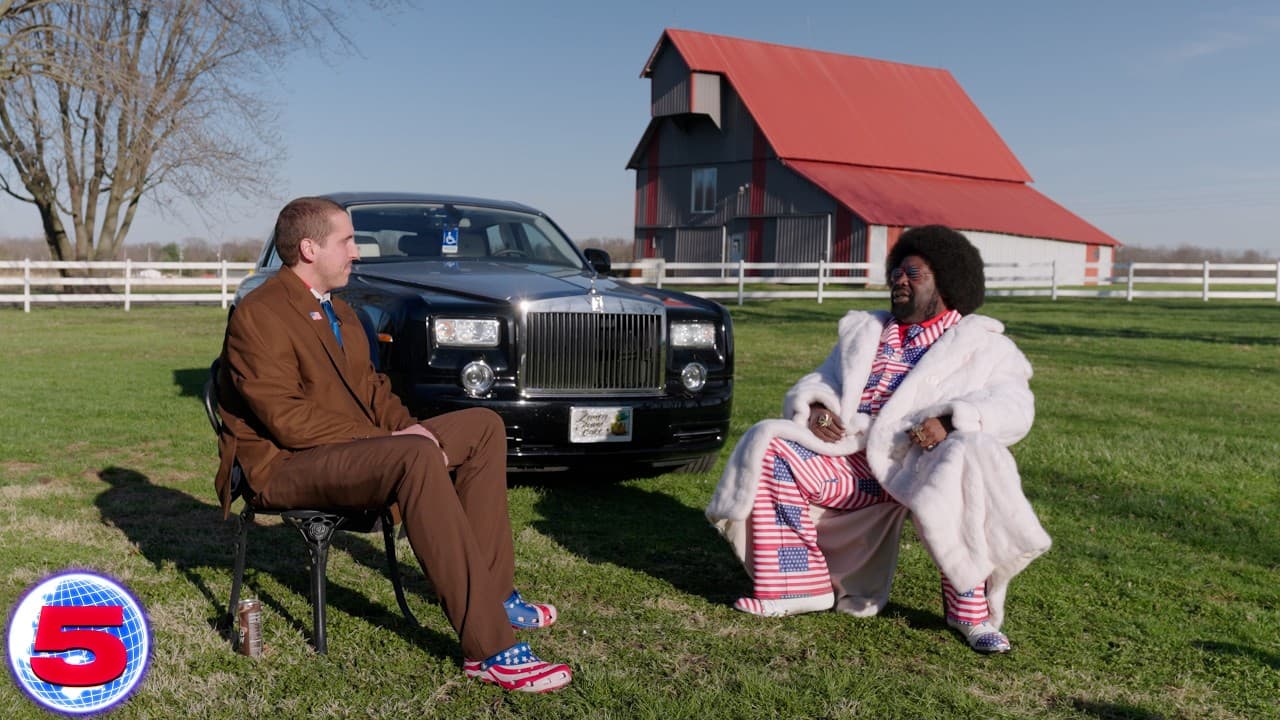
The jury deliberated quickly and cleared Afroman on all defamation charges. He showed up to court in an American flag suit, which, depending on your read, is either deeply on-brand or the most efficient closing argument ever worn.
Broader Implications for Police Accountability and Free Speech
As Josh Johnson lays out, the case sits at an uncomfortable intersection: citizens generally have very little legal recourse when a raid goes wrong, especially when it's based on an informant tip that turns out to be garbage. Afroman's lawsuit was dismissed. The music was, effectively, what worked.
How This Case Reflects Systemic Power Imbalances
The officers had qualified immunity on their side during the raid itself. What they didn't anticipate was a surveillance system, a recording studio, and a jury that apparently agreed satire is not the same as slander. The verdict doesn't fix the raid — it just means the songs about it get to stay up.
Our Analysis: Johnson nails the absurdity of the officers suing Afroman — men with arrest powers, crying defamation over rap songs about their own documented behavior. The lemon pound cake detail does more legal damage than any lyric.
This fits a broader pattern where institutions reflexively punish people for exposing them, mistaking their own embarrassment for a legal injury.
Watch for more cases like this. As surveillance becomes democratized, expect cops — and other powerful figures — to increasingly weaponize defamation law as a silence-first, lose-later strategy. The chilling effect is the point, not the verdict.
Source: Based on a video by Josh Johnson — Watch original video
This article was created by NoTime2Watch's editorial team using AI-assisted research. All content includes substantial original analysis and is reviewed for accuracy before publication.