YouTube Creator Burnout Weekly Uploads: Tom Scott's Decade
Key Takeaways
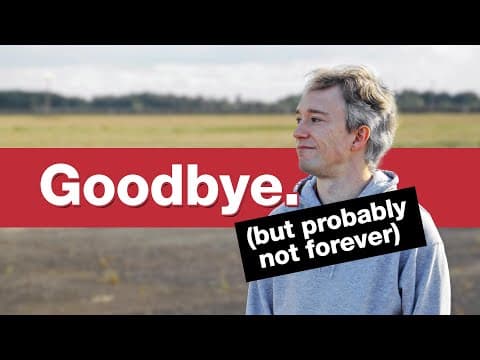
- •Tom Scott is ending his weekly YouTube video series after exactly ten years, announcing the decision in a video titled "After ten years, it's time to stop weekly videos." The move isn't burnout in the traditional sense — he's not quitting content creation — but a deliberate step back from a schedule that had quietly consumed his entire personal life.
- •Scott says he considered expanding into a larger operation with staff, rejected it, and chose his own sanity instead.
- •Other projects continue, and future videos aren't ruled out.
The Reality of Maintaining Weekly YouTube Content for a Decade
YouTube creator burnout from weekly uploads is usually framed as a crisis point — the moment someone posts a tearful video and disappears for six months. Tom Scott's version is more methodical than that.
For ten years straight, Scott uploaded every Monday at 4 PM without missing a single slot. What started with basic equipment and minimal prep eventually became a high-production operation with rising audience expectations baked in. The ten-year mark wasn't an official target when he started — it became one quietly, as the streak grew too long to abandon casually.
That kind of consistency is genuinely rare on YouTube. It's also, as Scott explains in After ten years, it's time to stop weekly videos., expensive in ways that don't show up on a balance sheet.
Why Content Creators Face Burnout Despite Having Their 'Dream Job'
Scott describes feeling exhausted — not broken, but the kind of tired that accumulates when work has colonised every available hour. The paradox he identifies is one a lot of high-output creators hit: the job is exactly what you wanted, and it's still grinding you down.
The pressure isn't just volume. It's the compounding standard. Early videos from a decade ago would never pass muster today, which means the work required per video has climbed steadily while the publishing frequency stayed flat. Same deadline, more effort, every single week.
He says he managed to avoid a full collapse by recognising the warning signs early enough to pull back before hitting zero. Most creators don't catch it that cleanly — which is why the genre of "I'm taking a break" videos exists at all.
The Two Paths Forward: Scaling vs. Reducing Output
Scott laid out the decision plainly: grow the operation by hiring staff and becoming a manager, or reduce output and protect what's left of a personal life. He chose the second option.
The management path isn't unusual — plenty of successful YouTube channels run as small media companies now. But Scott says that role doesn't suit him. He's a creator, not an executive, and pretending otherwise would probably produce worse content and a worse life simultaneously.
Reducing output is the less glamorous choice. It doesn't scale. It doesn't compound. It does, apparently, let you have a life outside a filming schedule.
Work-Life Balance Strategies for Professional YouTubers
The structural problem with weekly uploads is that they eliminate slack. There's no buffer for a bad week, a creative drought, or the basic human need to occasionally do nothing. Scott spent ten years filling every gap with work, and the gap between "productive" and "consumed" turned out to be smaller than expected.
His approach going forward is an indefinite hiatus from the weekly format — not a fixed sabbatical with a return date circled on a calendar, but a genuine step back to figure out what sustainable actually looks like. Other ongoing projects continue in the meantime.
The practical lesson here isn't complicated: a production schedule that leaves no room for failure is a schedule that will eventually produce one.
Quality vs. Consistency: Why Frequent Uploads Don't Guarantee Success
Scott's channel grew because of quality, not despite the frequency — but frequency is what made quality so hard to maintain. Every creator who's been at this long enough eventually confronts the same maths: you can publish fast, or you can publish well, and the overlap between those two things gets smaller over time.
The weekly model made sense when YouTube rewarded consistent posting with algorithmic favour. That relationship between schedule and reach is less reliable now. Holding to a punishing upload cadence for platform reasons that may no longer apply is, as Scott seems to have concluded, a bad trade.
The same kind of obsessive craftsmanship that drives a creator to research topics like After ten years, it's time to stop weekly videos.
Our Analysis: Scott correctly diagnosed the core trap of algorithmic content creation — the schedule becomes the product, not the ideas. Ten years of weekly uploads is genuinely rare, but the burnout math was always going to catch up.
This connects to broader research on creative sustainability: high-output schedules suppress the incubation periods that actually generate good ideas. You end up manufacturing content rather than making it.
The interesting bet is whether stepping back preserves the curiosity that made the channel worth watching — or whether the audience drifts before he figures out what comes next. There's also a wider industry question Scott's decision implicitly raises: how many creators are currently locked into schedules they outgrew years ago, held in place by algorithm anxiety rather than genuine creative momentum? The weekly upload contract was always a one-sided deal — platforms got consistent inventory, creators got reach, and the personal cost was quietly absorbed until it couldn't be. Scott stepping back on his own terms, before a breakdown forced the issue, is the exception rather than the rule. Whether that model catches on probably depends on whether audiences prove willing to follow creators on irregular schedules — something the data on subscriber retention still doesn't answer cleanly.
Frequently Asked Questions
How often should you upload to YouTube to avoid creator burnout from weekly uploads?
Is weekly uploading on YouTube still worth it algorithmically, or has the platform changed?
What are the realistic alternatives to weekly uploads for long-term content creator sustainability?
Why do content creators burn out even when they genuinely love what they do?
Can a YouTube channel maintain its audience after stopping regular uploads?
Based on viewer questions and search trends. These answers reflect our editorial analysis. We may be wrong.
Source: Based on a video by Tom Scott — Watch original video
This article was created by NoTime2Watch's editorial team using AI-assisted research. All content includes substantial original analysis and is reviewed for accuracy before publication.