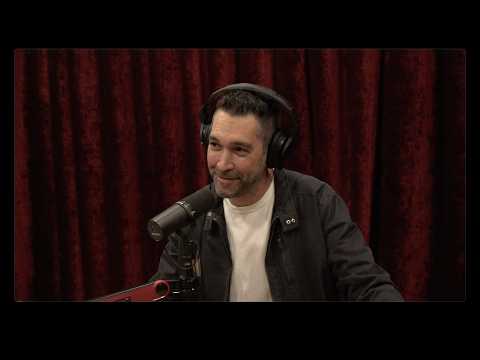
US Israel Lobby Influence American Government: Dave Smith

Key Takeaways
- •Dave Smith says the most significant hostility he's faced as a Jewish American has come from pro-Israel factions criticizing his foreign policy positions, not from antisemites
- •Both Smith and TYT's host call for a formal separation between the Israel lobby and US government institutions, drawing a direct parallel to church-state doctrine
- •Critics of Israeli government policy — including public figures — report receiving threats from pro-Israel entities, including IDF soldiers, which both speakers argue fuels broader hostility rather than containing it
How Deep Is the Israel Lobby's Influence in US Government?
The conversation opens with a question that sounds simple but isn't: how much does the Israel lobby actually shape what happens inside American institutions? According to the discussion on Dave Smith Talks About HIS OWN Experience With Antisemitism on The Young Turks (TYT), the answer is: more than most people are comfortable saying out loud. Both speakers point to the presence of Israeli representatives embedded within US institutions at multiple levels — not just in the form of AIPAC's well-documented Congressional lobbying, but in ways that make critics of Israeli policy feel that speaking up carries real professional and personal risk. The argument isn't that influence exists — that's not contested — it's that the depth of it has become structurally abnormal compared to how any other foreign government relates to American policymaking. That framing is doing a lot of work in this conversation, and it's worth tracking where it leads.
The 'Special Relationship' Between the US and Israel Explained
The term 'special relationship' gets used so often it's lost most of its meaning. What TYT's host argues is that recent events — specifically the Gaza conflict and the Netanyahu government's conduct — have made it nearly impossible to maintain the previous comfortable ambiguity around what that relationship actually entails. The host's position is that the entanglement has been exposed in a way that can't simply be walked back. What's striking is the framing: this isn't presented as a left-right issue, but as a structural one — the kind of problem that persists regardless of which party controls Congress or the White House.
Separation of Israel Lobby and US Government: A Necessary Reform
The most concrete proposal in the discussion is also the most politically radioactive: treat the separation of the Israel lobby from US government the way the US treats the separation of church and state. Both Smith and the TYT host land on this framing independently, which suggests it's gaining traction beyond any single ideological corner. The argument is that AIPAC and related organizations have achieved a level of access and influence over Congressional voting patterns that no domestic religious institution would be permitted to hold over legislation. Whether you find that comparison persuasive or overblown, the fact that a libertarian like Dave Smith and a progressive outlet like TYT are using identical language about it is itself a data point worth registering.
Why Critics of Israel Face Threats and Fear
This section of the conversation gets specific in a way that's harder to dismiss. Both speakers describe public figures — not fringe commentators, but people with genuine platforms — expressing real fear about criticizing Israeli government policy. The examples cited include IDF soldiers sending direct threats to critics and politicians publicly endorsing military actions in ways that, the speakers argue, generate blowback against Jewish people broadly rather than protecting them. The host's point is that this behavior doesn't suppress hostility — it manufactures more of it by conflating the Israeli government's actions with Jewish identity as a whole. That's a causation argument, not just a moral one, and it's the sharper version of the claim.
The Entanglement of Israeli Representatives in American Institutions
Beyond AIPAC's lobbying operation, the discussion highlights something less frequently examined: the presence of individuals with direct ties to Israeli institutions operating within American governmental and policy structures. The speakers don't name specific individuals beyond referencing Netanyahu and the broader lobby apparatus, but the implication is that the pipeline between Israeli interests and American decision-making runs deeper than formal lobbying disclosures capture. For context on how foreign financial influence in American political infrastructure gets scrutinized — or doesn't — the ActBlue foreign donations scandal and Congressional scrutiny offers a useful parallel about where oversight tends to break down. The concern raised here isn't about any single actor but about a system that has normalized a level of foreign-adjacent influence that would be treated as a scandal if it involved almost any other country.
Comparing Israel Lobby Influence to Church-State Separation
The church-state analogy is doing specific work here. The US has a constitutional framework that prevents religious institutions from directly controlling government policy — not because religion is bad, but because the entanglement creates accountability problems that damage both sides. The argument being made is that the Israel lobby has achieved functional influence over foreign policy and Congressional behavior that mirrors exactly the kind of institutional capture the church-state doctrine was designed to prevent. It's a structural argument, not a cultural one, and that distinction matters for how seriously it gets taken outside progressive media circles.
Consequences of US-Israel Policy Entanglement on Foreign Relations
The downstream effects of this entanglement, according to both speakers, extend well beyond the US-Israel bilateral relationship. The argument is that American credibility on human rights, international law, and multilateral institutions has been materially damaged by the perception — and in many cases the reality — that US foreign policy in the Middle East is filtered through Israeli government preferences rather than independent American strategic interests. The host connects this to the Gaza conflict specifically, arguing that the scale of the Israeli government's military conduct under Netanyahu has made the US's traditional diplomatic cover increasingly untenable on the world stage. For related context on how US military posture in the region intersects with these dynamics, the discussion around Trump's Iran military escalation and civilian targeting questions illustrates how quickly Middle East policy decisions carry consequences that outlast the administrations that make them.
How the Israel Lobby Shapes Congressional Voting Patterns
AIPAC's influence on Congressional elections is one of the better-documented aspects of this conversation — the organization has been explicit about targeting and funding primary challenges against members of Congress who vote against Israeli government interests. What the TYT discussion adds is the experiential dimension: the claim that this creates a chilling effect where elected officials self-censor on Israel-related votes not because of constituent pressure but because of lobby pressure. Dave Smith's value in this conversation is precisely that he's a libertarian making this argument — it strips away the usual partisan framing and forces the question to stand on its structural merits alone. Whether you think the lobby's influence is legitimate political participation or something more corrosive, the mechanism being described is real and documented. That a libertarian and a progressive outlet are both calling it a problem in the same breath is the most interesting thing about this particular conversation.
Our Analysis: Dave Smith's presence in this conversation is doing more rhetorical work than the discussion fully acknowledges. TYT gets to make its case about the Israel lobby while being insulated from the usual 'left-wing bias' dismissal because Smith — a Ron Paul libertarian with zero progressive credibility — is saying the same things. That's a genuinely useful dynamic, but it also means neither speaker has to do the harder work of explaining what structural separation between the Israel lobby and US government would actually look like in practice. The church-state analogy is clean and memorable. The implementation is never touched.
The threats angle is the part of this conversation that deserves more scrutiny than it gets. The claim that IDF soldiers are sending direct threats to American critics of Israeli policy is specific enough to be verifiable — and if it's accurate, it's a significant story on its own terms. Dropping it as a supporting point in a broader argument about lobby influence undersells it considerably.
Frequently Asked Questions
How does the US Israel lobby influence American government decision-making?
What would a structural separation between the Israel lobby and US government actually look like in practice?
Why do critics of Israeli government policy say they face threats for speaking out?
Is the US-Israel 'special relationship' actually different from how America relates to other allies?
Does Dave Smith think antisemitism is a serious problem in the United States?
Based on viewer questions and search trends. These answers reflect our editorial analysis. We may be wrong.
Source: Based on a video by The Young Turks (TYT) — Watch original video
This article was created by NoTime2Watch's editorial team using AI-assisted research. All content includes substantial original analysis and is reviewed for accuracy before publication.