Trump Iran War: Operation Epic Fury Escalates Critical Threat
Key Takeaways
- •President Trump has announced a new escalation phase in Operation Epic Fury, threatening to target Iranian electrical infrastructure if a nuclear deal isn't reached within weeks.
- •Megyn Kelly's AM Update covers the widening gap between the administration's military success claims and polling showing most Americans — including non-MAGA Republicans — oppose the war and reject ground troop deployment.
- •With public support collapsing across political lines and Trump's own coalition showing fractures, the question isn't whether the strategy is working militarily.
Lights Out: Trump's Infrastructure Ultimatum
Trump went on record this week with a specific and stark escalation threat. If Iran doesn't come to the table and sign a deal, he's signaled the next targets won't be military installations — they'll be electrical generating plants. This is a meaningful shift. Taking out a navy is one thing. Turning off the power grid for a civilian population is another category of action entirely, with a different set of international optics and humanitarian implications.
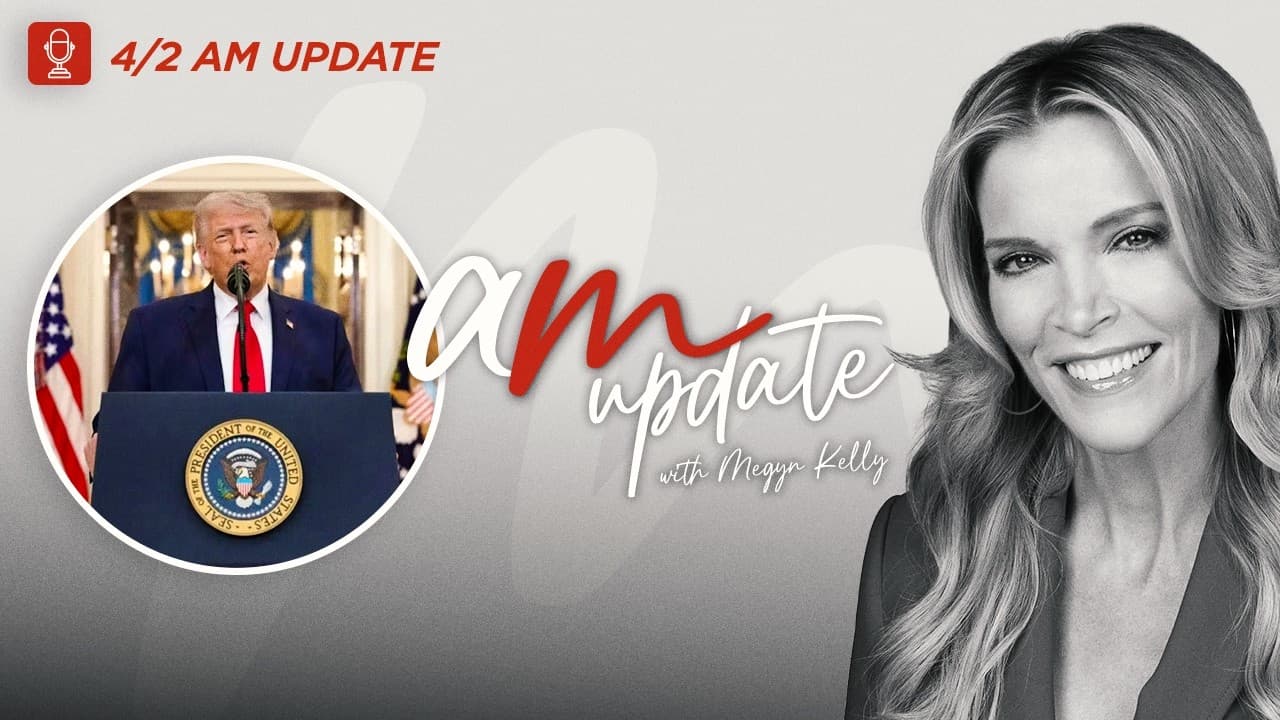
According to coverage in Trump Teases Next Iran War Phase, Judge Reverses Migrant Policy, Artemis II Launches | AM Update 4/2 on the Megyn Kelly channel, Trump framed this within a broader update on Operation Epic Fury, citing what he described as the decimation of Iran's navy and air force, and ongoing destruction of IRGC command infrastructure. The message was structured as a victory lap followed immediately by a warning: we've done this much, and we'll do worse if you don't deal. Whether that logic lands as deterrence or desperation probably depends on which side of the polling numbers you're on.
The Numbers That Should Be Keeping Strategists Up at Night
Here's where it gets uncomfortable for the administration. The military framing — we're winning, we're strong, Iran is crumbling — isn't moving public opinion in the expected direction. Polling cited in Kelly's coverage shows a substantial majority of Americans oppose the military action altogether. Opposition to ground troops is even more pronounced, and critically, that opposition isn't just coming from the left.
Non-MAGA Republicans are breaking from the administration's position in notable numbers, which matters because that's the coalition Trump needs to hold if he wants political cover to continue. When the skepticism reaches across the aisle into his own broader base, the war's domestic politics become as complicated as its foreign ones.
Our Analysis: What's unfolding here is a classic credibility trap, and the infrastructure threat makes it worse. When a military campaign's public messaging relies on declarations of overwhelming success — navy decimated, air force neutralized, command structures dismantled — but still requires escalation threats to extract a deal, the two narratives start to undercut each other. You can't simultaneously claim total dominance and warn you'll have to turn the lights off unless the other side caves. One of those things suggests leverage. The other suggests the leverage you have isn't working.
The electrical infrastructure threat deserves particular scrutiny on its own terms. Targeting civilian power grids occupies genuinely contested territory under international humanitarian law. The distinction between military and civilian infrastructure has been central to debates over lawful targeting since at least the Gulf War, and the international community has grown less tolerant of arguments that power generation is inherently dual-use. Whether or not the administration believes the threat is legally defensible, the optics of deliberately darkening a civilian population create a messaging problem that military success metrics can't paper over.
The domestic polling fracture may be the most strategically significant detail in Kelly's coverage, and it's worth sitting with. Opposition from the left was predictable and priced in. Opposition from non-MAGA Republicans is a different animal entirely. That slice of the electorate tends to be more hawkish on foreign policy, more deferential to executive authority in wartime, and more likely to accept military framing at face value. If they're breaking from the administration's position, it suggests the gap between what the public is being told and what they're willing to believe has grown wider than usual partisan filters can bridge.
The deeper issue is one of war sustainability in a media environment that doesn't reward patience. The administration's sequencing — escalate, claim victory, threaten more escalation — requires a public audience that stays engaged on the administration's terms. The polling suggests that audience is already making up its own mind. At some point, the question of whether a military campaign is succeeding tactically becomes less important than whether the political coalition needed to sustain it is still intact. Right now, that coalition looks shakier than the briefings suggest.
Frequently Asked Questions
What is Trump's next phase in Operation Epic Fury and what are the specific targets?
Why do most Americans oppose the Iran war even though Trump says the US is winning?
Is targeting Iran's electrical grid considered a war crime or violation of international law?
How much of Trump's political base actually supports the Iran conflict?
Can Trump sustain the Iran war politically if public support keeps declining?
Based on viewer questions and search trends. These answers reflect our editorial analysis. We may be wrong.
Source: Based on a video by Megyn Kelly — Watch original video
This article was created by NoTime2Watch's editorial team using AI-assisted research. All content includes substantial original analysis and is reviewed for accuracy before publication.