Charlie Kirk Murder Trial Forensic Evidence Complicated
Key Takeaways
- •Forensic evidence in the Tyler Robinson murder trial is proving more complicated than prosecutors may have hoped.
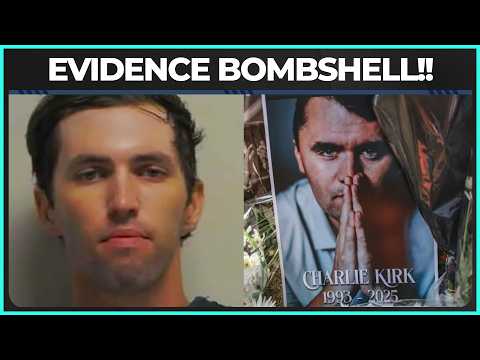
- •Robinson stands accused of assassinating conservative commentator Charlie Kirk, and The Young Turks (TYT) broke down the latest development in their video 'Defense Throws Monkey Wrench In Charlie Kirk's Murder Trial': an ATF report could not conclusively match the bullet recovered from Kirk's autopsy to the rifle allegedly used by Robinson.
- •The defense is now seeking a delay to the preliminary hearing, citing hundreds of thousands of discovery files and a pending FBI ballistics analysis.
The Bullet That Doesn't Quite Fit
The centerpiece of the defense's latest move is a report from the ATF that failed to conclusively link the bullet fragment recovered during Charlie Kirk's autopsy to Robinson's rifle. That is not the same as saying the bullet came from somewhere else. But in a capital murder case, 'we can't be sure' is a very different sentence than 'we are sure,' and the defense knows exactly which one they want the jury hearing. The prosecution insists the inability to match the fragment doesn't sink their case, pointing to other evidence they say supports the charges. What they haven't done, at least based on what The Young Turks (TYT) reported in "Defense Throws Monkey Wrench In Charlie Kirk's Murder Trial", is specify what that other evidence looks like in court. That vagueness may become a problem as the trial develops.
DNA On the Rifle Tells a Messier Story
Yes, DNA consistent with Robinson was found on parts of the rifle and on cartridges. That sounds damning. But the defense has flagged that multiple individuals' DNA profiles were also present on certain items, which means further, more granular analysis is required before anyone can say definitively what that weapon's history was. The presence of multiple DNA profiles doesn't exonerate Robinson, but it does complicate the clean narrative of a lone shooter with a single identifiable weapon. Forensic science has a habit of being less tidy in practice than prosecutors need it to be in opening statements.
A Mountain of Discovery and a Hearing That Needs to Wait
The defense has formally requested a delay to the preliminary hearing, and the reason is blunt: they received hundreds of thousands of files, plus hours of recorded material, and they are still waiting on FBI results from a second bullet analysis. Asking a defense team to adequately assess a death penalty case while forensic work from federal agencies is literally still in progress is not a reasonable ask, and the defense is saying so on the record. As TYT noted, the sheer volume of discovery material alone makes a rushed hearing genuinely problematic, not just inconvenient. This kind of delay request is standard legal procedure, but in a case this high-profile, every procedural move gets read as a strategic signal by someone.
What 'Beyond a Reasonable Doubt' Actually Means Here
This is a capital murder case. The prosecution is seeking the death penalty. That matters enormously when you start talking about inconclusive ballistics reports, because the legal standard isn't 'probably him' or 'most likely him.' It is beyond a reasonable doubt, and that bar exists precisely for situations where the physical evidence has gaps. A jury that hears 'the ATF could not confirm the bullet came from his gun' now has something to anchor doubt to. The defense doesn't need to prove Robinson is innocent. They need to make twelve people uncertain, and an unresolved bullet match is a very serviceable piece of uncertainty. It's also worth considering how broader questions about prosecutorial priorities factor into high-stakes cases like this one, particularly given
Our Analysis: The DNA evidence gap matters, but TYT buries the lead. When the defense can credibly argue the fatal bullet may not trace back to Robinson's rifle, prosecutors lose their most visceral proof. That's not a technicality. That's the center of the case.
The Joe Kent angle is the thread nobody wants to pull. Blocking a former intelligence officer from investigating foreign connections to a political assassination, regardless of your opinion of Kent, is the kind of decision that feeds conspiracy theories for decades.
Watch the FBI forensic results. If they're inconclusive, the death penalty argument collapses before trial even starts.
Frequently Asked Questions
What forensic evidence problems exist in the Charlie Kirk murder trial that could hurt the prosecution?
Why does an inconclusive ATF bullet match matter so much in a death penalty case?
Why is the defense requesting a delay to the preliminary hearing in the Tyler Robinson case?
Does DNA evidence on the rifle prove Tyler Robinson is guilty?
How long could the ballistics dispute delay the Tyler Robinson trial?
Based on viewer questions and search trends. These answers reflect our editorial analysis. We may be wrong.
Source: Based on a video by The Young Turks (TYT) — Watch original video
This article was created by NoTime2Watch's editorial team using AI-assisted research. All content includes substantial original analysis and is reviewed for accuracy before publication.
Related Articles

You Might Also Like
Apr 2
True Crime | Tyler Robinson Trial: DNA Evidence Admissibility Criminal Trial Under Scrutiny
Mar 28
World News | Candace Owens Exposes Lies in Erica Kirk's Story

Mar 28
World News | Turning Point USA Breakdown: Candace Owens vs. Blake's Rant
Mar 28
World News | Candace Owens: Charlie Kirk Assassination Timeline Conflicting