Vince Vaughn: Real Estate vs. Stock Market Investment
Key Takeaways
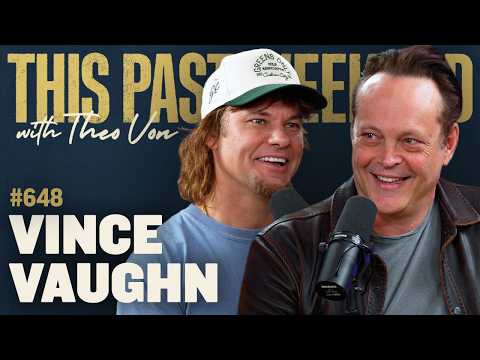
- •Vince Vaughn prefers buying rental properties over playing the stock market, and he broke down exactly why on Theo Von's podcast This Past Weekend (#648).
- •Vaughn's case for real estate investment vs stock market comes down to something simple: he can walk through a building, but a stock portfolio doesn't offer that same tangibility.
- •The conversation covers his instinct-driven approach to spotting local market opportunities and how monthly rental income gives him something stocks never could — a tangible, predictable return he actually understands.
Vince Vaughn's Approach to Real Estate vs Stock Market Investing
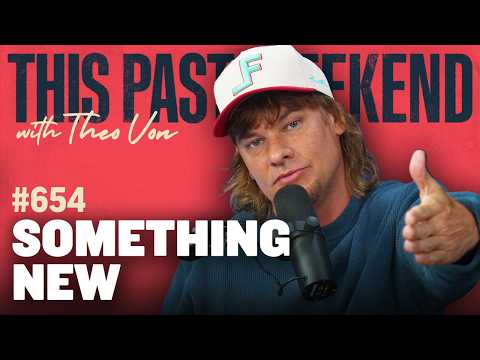
On Vince Vaughn | This Past Weekend w/ Theo Von #648, Vince Vaughn made his position on real estate investment vs stock market pretty clear: one of them makes sense to him and one of them doesn't.
Vaughn's issue with stocks isn't that they don't work — it's that he can't see them. Abstract financial instruments tied to companies he doesn't control don't match how his brain evaluates opportunity.
Why Tangible Assets Appeal to Hands-On Investors
For investors like Vaughn, the appeal of real estate over the stock market starts with the ability to physically assess what you're buying.
You can visit the property, read the neighborhood, talk to locals — none of which is possible when you're staring at a ticker symbol.
Building Passive Income Through Rental Properties
Vaughn told Theo Von that rental properties give him something stocks rarely offer cleanly: monthly income he can count on.
That predictability changes the math. Instead of hoping a share price moves in the right direction, rental income arrives on a schedule — which is a different kind of confidence entirely.
Understanding Local Market Trends Without Financial Models
Vaughn's approach to the real estate market leans on local knowledge rather than spreadsheets or analyst reports.
Knowing a specific area — what's being built nearby, where people are moving, what rents are doing — is something any attentive person can develop. You don't need a financial model for that.
The Monthly Income Advantage of Real Estate Investment
The stock market vs real estate investment debate often gets framed around returns, but Vaughn's framing on the podcast is about reliability.
A rented property generates income whether or not the broader market is having a rough quarter. That buffer matters to investors who want their money working without constant monitoring.
Leveraging Instinct and Local Knowledge in Property Investment
Vaughn described his investment decisions as instinct-driven, informed by on-the-ground observation rather than complex financial models.
That's not as unsophisticated as it sounds. Local real estate markets often move on factors that don't show up in national data — and someone paying attention to their own city has a genuine edge.
Real Estate as a Wealth-Building Strategy for Long-Term Success
The real estate vs stock market investment conversation Vaughn had with Theo Von keeps coming back to one thing: understanding what you own.
Stocks require trusting systems and institutions at a remove. A rental property is something you chose, assessed, and can revisit. For a certain kind of investor, that control isn't just psychological comfort — it's the whole strategy.
Our Analysis: Vaughn's instinct to buy rental properties over stocks is classic Vaughn: he trusts what he can touch, which has served him well. But there's something worth unpacking beyond the personal preference — his framework is actually a coherent investment philosophy, not just a gut feeling dressed up as strategy.
The core of what Vaughn is describing is informational edge. He's arguing that the average person has no real advantage in public equity markets — you're competing against institutional players with superior data, faster execution, and armies of analysts. In local real estate, that dynamic flips. Someone who knows their neighborhood well genuinely does have information the market hasn't fully priced in. That's not a romanticized view of property ownership — it's a defensible thesis.
What the conversation with Theo Von surfaces, even if neither of them frames it this way, is the difference between investing in something you can underwrite yourself versus something you have to outsource judgment on entirely. For a certain kind of person — independent, observational, skeptical of abstraction — rental property isn't just a financial choice. It's a temperament match. The monthly income isn't just cash flow; it's feedback that tells you the decision was right.
The broader implication is worth sitting with: the "best" investment isn't always the one with the highest theoretical return. It's often the one the investor will actually stick with through volatility, manage competently, and understand well enough to make good decisions on. By that measure, Vaughn's approach is harder to argue with than it first appears.
This fits a broader pattern of podcasts like This Past Weekend creating space for exactly this kind of unscripted, practical thinking — the kind that rarely survives the polish of more produced formats.
Frequently Asked Questions
Is real estate really responsible for creating most millionaires, or is that just a motivational talking point?
How much do you actually need to invest in rental properties to replace a regular income?
What does Vaughn's instinct-driven approach actually mean in practice — and is it repeatable for regular investors?
Does rental income actually beat stock market returns over the long run?
Based on viewer questions and search trends. These answers reflect our editorial analysis. We may be wrong.
Source: Based on a video by Theo Von — Watch original video
This article was created by NoTime2Watch's editorial team using AI-assisted research. All content includes substantial original analysis and is reviewed for accuracy before publication.